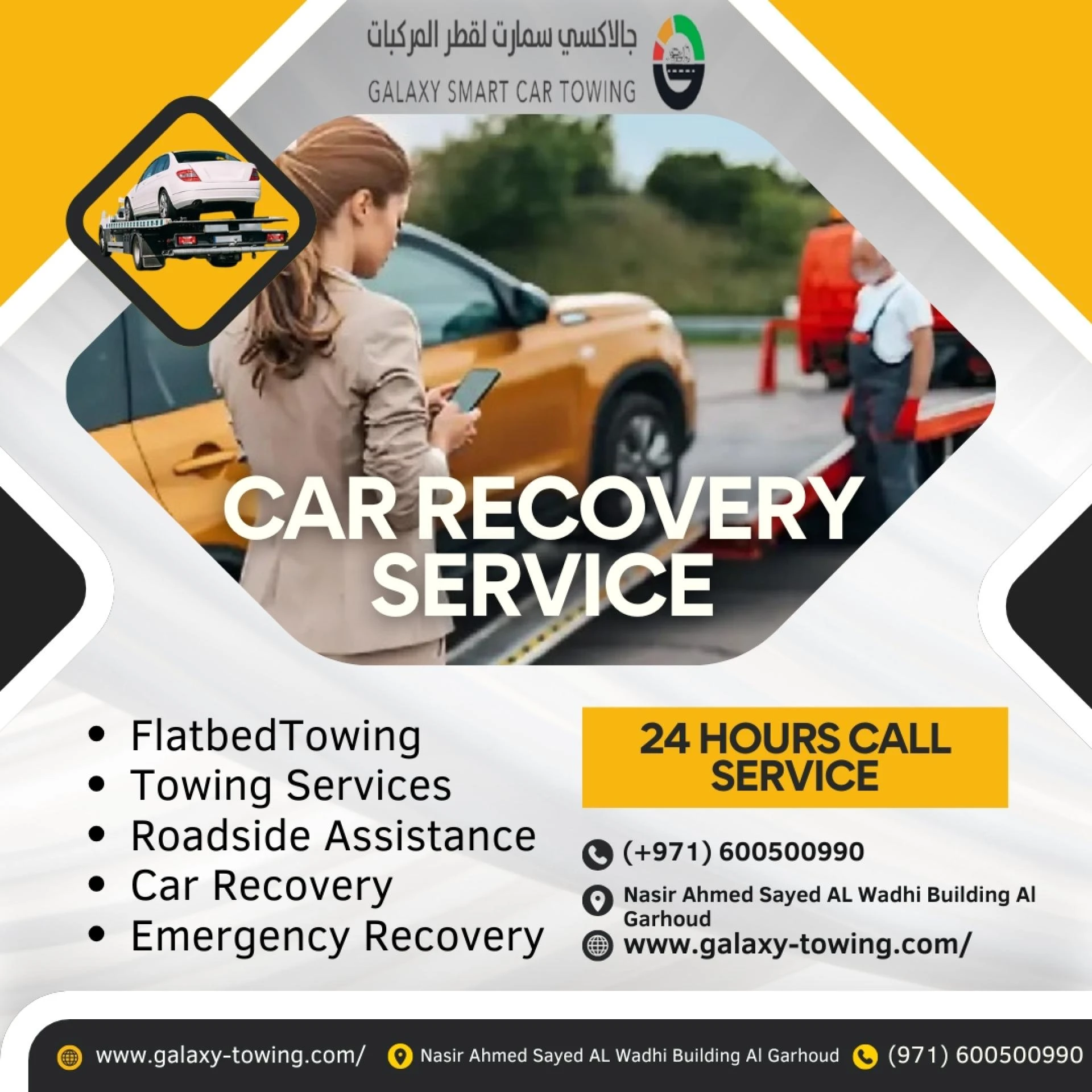

Urban mobility in the UAE has grown rapidly over the past decade, with Dubai and Sharjah becoming major hubs for daily commuting, logistics, and long-distance travel. With this growth comes an increased reliance on dependable roadside assistance systems. Among these, car recovery services in Dubai and Sharjah play a critical role in maintaining road safety, minimizing congestion, and supporting drivers during unexpected vehicle breakdowns.
Vehicle recovery is no longer limited to towing a car from one place to another. Today, it represents a coordinated process involving safety checks, technical expertise, and compliance with traffic regulations. Understanding how recovery services function and when to use them can help drivers respond calmly and responsibly during roadside emergencies.
The Importance of Vehicle Recovery in High-Traffic Regions
Dubai and Sharjah experience some of the busiest road networks in the region. From express highways to industrial zones and residential streets, vehicles are constantly on the move. When a breakdown occurs, even a single stalled vehicle can disrupt traffic flow and increase the risk of accidents.
Recovery services act as a bridge between a breakdown and a safe resolution. Whether the issue is mechanical failure, battery trouble, tire damage, or accident-related immobilization, professional recovery teams ensure vehicles are removed efficiently and safely. This minimizes delays for other motorists and reduces exposure to secondary accidents.
Common Situations That Require Recovery Assistance
Vehicle recovery is often associated with severe incidents, but many everyday situations also require professional help. Some of the most common scenarios include:
- Mechanical breakdowns: Engine failure, transmission issues, or overheating can leave a vehicle immobile.
- Battery failure: Extreme temperatures and prolonged inactivity can drain batteries unexpectedly.
- Flat or damaged tires: Blowouts or sidewall damage may make it unsafe to continue driving.
- Accident recovery: Vehicles involved in collisions often need specialized handling to prevent further damage.
- Off-road or sand recovery: In suburban or desert-adjacent areas, vehicles may become stuck and require extraction.
In all these cases, trained recovery personnel assess the situation before deciding on the safest recovery method.

Safety Protocols Followed During Recovery Operations
Safety is a central element of modern recovery operations. Before any vehicle is moved, recovery teams follow structured protocols to protect drivers, passengers, and surrounding traffic.
This typically includes securing the area with warning signals, hazard lights, and cones when necessary. Recovery professionals also evaluate the condition of the vehicle to determine whether flatbed towing, wheel-lift towing, or winching is appropriate. Improper handling can worsen vehicle damage or create additional hazards on the road.
Adhering to traffic authority guidelines is another essential aspect, especially on highways and major intersections where coordination with road authorities may be required.
Types of Recovery Equipment Used Today
Advancements in recovery technology have significantly improved efficiency and safety. Modern recovery fleets are equipped with specialized tools designed for different vehicle types and conditions.
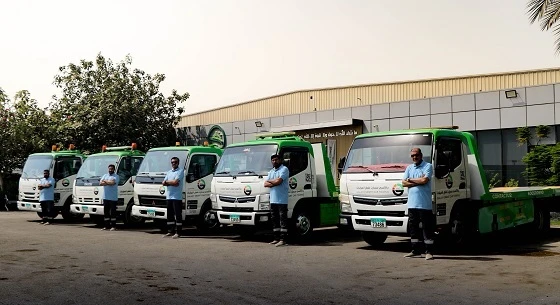
- Flatbed trucks: Ideal for luxury vehicles, all-wheel-drive cars, and severely damaged vehicles.
- Wheel-lift systems: Used for quick roadside assistance in tight urban spaces.
- Winches and cranes: Necessary for vehicles stuck off-road or involved in major accidents.
- Motorcycle recovery units: Designed to transport two-wheelers without causing balance or frame damage.
The availability of varied equipment allows recovery teams to respond effectively to a wide range of incidents.
Role of Recovery Services in Traffic Management
Beyond assisting individual drivers, recovery services contribute to broader traffic management efforts. Prompt removal of stalled or damaged vehicles helps maintain smooth traffic flow and reduces congestion during peak hours.
In cities like Dubai and Sharjah, where road efficiency is closely monitored, recovery services support public safety goals by reducing bottlenecks and preventing secondary collisions. This behind-the-scenes role often goes unnoticed but is vital to the daily functioning of urban transport systems.
Choosing the Right Time to Call for Recovery
Not every vehicle issue requires professional recovery, but knowing when to call is important. If a vehicle cannot be safely driven, attempting to move it without proper tools can be dangerous.
Drivers should consider recovery assistance when:
- The vehicle poses a risk to traffic
- The issue cannot be resolved roadside
- Driving further may cause mechanical damage
- The vehicle is immobilized after an accident
Making the right decision at the right time can prevent injuries and costly repairs.
Professional Training and Experience
Recovery professionals undergo training that goes beyond basic towing. They are taught vehicle handling techniques, roadside safety measures, and equipment operation. Experience allows them to make quick decisions in high-pressure situations, especially during accidents or heavy traffic conditions.
Understanding vehicle weight distribution, braking systems, and structural vulnerabilities is essential to prevent further damage during transport. This expertise is particularly important when dealing with modern vehicles equipped with advanced electronics and safety systems.
Environmental and Legal Considerations
Vehicle recovery also intersects with environmental responsibility and legal compliance. Fluids leaking from damaged vehicles must be handled carefully to avoid environmental contamination. Recovery teams are trained to manage such risks and follow disposal guidelines when necessary.
Legally, recovery operations must comply with local traffic laws and municipal regulations. Proper documentation, permits, and coordination with authorities ensure that recovery activities do not interfere with ongoing investigations or road operations.
How Recovery Services Support Long-Term Vehicle Care
While recovery assistance is often viewed as a one-time emergency solution, it can contribute to long-term vehicle care. Proper handling during recovery prevents additional mechanical or structural damage, preserving the vehicle’s condition.
Drivers who rely on professional recovery instead of improvised solutions often avoid alignment issues, suspension damage, and drivetrain problems that can arise from incorrect towing methods.
Evolving Expectations of Drivers
As vehicles become more technologically advanced, driver expectations for recovery services continue to evolve. Modern drivers value timely response, clear communication, and damage-free transport. Recovery services have adapted by improving dispatch systems, upgrading equipment, and standardizing procedures.
This evolution reflects the growing role of recovery services as an integral part of the overall driving ecosystem rather than a last-resort option.
Reliable recovery assistance is an essential component of safe and efficient road use in urban environments. From minor roadside issues to complex accident recoveries, professional recovery operations help protect drivers, vehicles, and traffic flow. Understanding the scope, safety standards, and importance of car recovery services in Dubai and Sharjah allows motorists to make informed decisions during stressful situations and contributes to a safer driving culture across the region, supported by Galaxy Towing.






























Sign in to leave a comment.