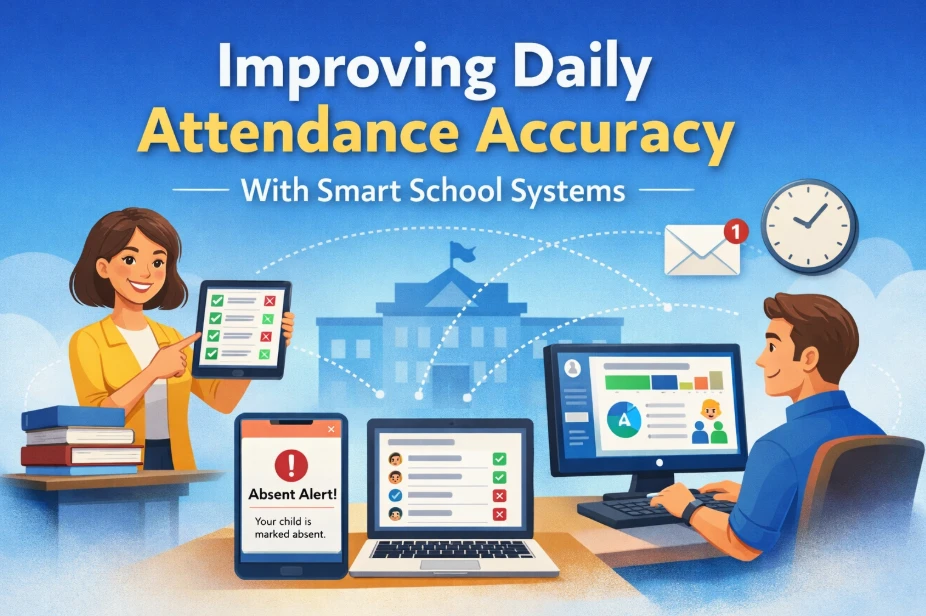

Attendance is one of the most important indicators of student success, school accountability, and operational efficiency. Yet many schools still struggle with inaccurate records, delayed reporting, and time-consuming manual processes. Teachers lose valuable instruction time, administrators chase corrections, and parents receive late notifications. Over time, these small inefficiencies create large administrative burdens and impact student performance tracking.
Modern campuses are now solving this challenge using connected digital platforms. By adopting student attendance management software and integrating it with a school messaging system, schools transform attendance from a daily routine into a reliable, real-time data process that supports learning and safety.
Why Attendance Accuracy Matters More Than Ever
Attendance is no longer just a compliance requirement. It directly affects academic performance monitoring, funding calculations, student safety verification, and parent engagement.
Inaccurate attendance records can lead to missed interventions for at-risk students. If a student frequently skips classes but records are entered late or incorrectly, counselors cannot act early. Similarly, schools must know who is on campus at any moment for safety purposes. During emergencies, uncertainty about student presence delays response and increases risk.
Accurate attendance therefore supports three critical goals: learning outcomes, operational efficiency, and campus safety.
The Problems With Traditional Attendance Methods
Many schools still rely on manual roll calls, paper sheets, or delayed system entry. Even when teachers use digital gradebooks, attendance is often entered after class or corrected later in the office.
This creates several issues. Teachers spend teaching time taking roll instead of engaging students. Data entry mistakes occur when staff rush between classes. Absence notifications reach parents hours later, sometimes after the school day ends. Office staff must investigate discrepancies between teachers, transportation records, and parent calls.
The result is a reactive system. Schools spend time fixing attendance instead of using it to support students.
How Smart Attendance Systems Change the Process
Student attendance management software converts attendance into a live operational process instead of a record-keeping task. Teachers mark attendance quickly through mobile devices or classroom dashboards. The information instantly updates across the entire school system.
Administrators can immediately see daily attendance trends and identify unusual patterns. If a student misses multiple classes, staff are notified early instead of days later. Because the data is centralized, corrections rarely require manual follow-up.
Instead of collecting attendance, schools start managing it.
Real-Time Parent Awareness Through Messaging
The biggest improvement comes when attendance platforms connect to a school messaging system. The moment a student is marked absent, a notification is automatically sent to parents.
Parents no longer wait until evening to learn their child skipped school. They receive alerts during the first missed period and can respond immediately. Many times absences are resolved quickly because families confirm appointments or correct mistakes within minutes.
This instant communication reduces truancy and builds trust between families and schools. Parents feel informed, and schools avoid hours of follow-up phone calls.
Supporting Student Safety and Accountability
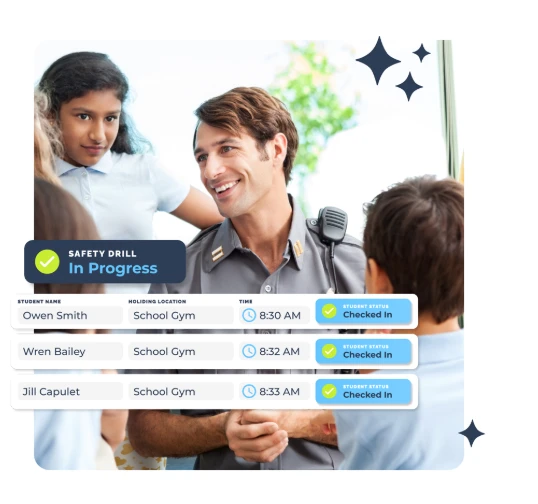
Accurate attendance is essential for student safety. Schools must always know whether a student is on campus, arrived late, or left early. During unexpected situations, staff rely on attendance records to account for every individual.
When attendance updates in real time, administrators can identify missing students immediately. If a student is marked present but never arrives in class, staff can investigate quickly. This level of awareness was impossible with delayed reporting.
Smart systems therefore function as both academic tools and safety infrastructure.
Reducing Teacher Workload
Teachers already manage instruction, grading, supervision, and communication. Manual attendance adds repetitive administrative work that interrupts lessons. Even small delays across multiple classes accumulate into lost instructional minutes every day.
With automated attendance tools, teachers record presence in seconds and move directly into teaching. Because corrections are minimal, teachers do not spend planning periods resolving discrepancies. Less administrative burden improves classroom focus and reduces burnout.
Technology does not replace teachers; it removes obstacles that prevent teaching.
Identifying Patterns and Supporting Intervention
One of the greatest benefits of student attendance management software is analytics. Schools can analyze chronic absenteeism, tardiness patterns, and class-level trends.
Counselors can identify students who begin missing classes early in the semester. Intervention plans can start before academic decline becomes serious. Administrators can evaluate whether transportation schedules or class timing affects attendance.
Instead of reacting to failing grades, schools address attendance behaviors first, which often prevents academic struggles.
Strengthening School Communication
A school messaging system connected to attendance creates a unified communication workflow. Parents receive automated absence alerts, but staff can also send follow-up messages, reminders, or support resources.
For example, if a student shows repeated tardiness, the system can notify parents with guidance instead of waiting for disciplinary action. Communication becomes proactive and supportive rather than punitive.
Clear communication reduces misunderstandings and strengthens relationships between families and educators.
Administrative Efficiency and Reporting
Attendance reporting is required for district and state compliance. Manual data collection requires office staff to verify records, contact teachers, and adjust entries repeatedly.
Automated attendance records generate accurate reports instantly. Administrators can review daily, weekly, or monthly data without compiling spreadsheets. Compliance reporting becomes faster and more reliable.
This efficiency allows staff to focus on student support instead of paperwork.
Preparing Schools for the Future
Schools are evolving into connected environments where communication, safety, and learning systems operate together. Attendance is a central data point in this ecosystem.
When student attendance management software integrates with a school messaging system, schools gain real-time awareness and communication. Staff know who is present, parents stay informed, and students receive early support. The campus becomes proactive instead of reactive.
The goal is not simply to record attendance but to use it as a foundation for engagement and safety.
Conclusion
Improving attendance accuracy requires more than faster roll calls. It requires transforming attendance into a live communication and awareness process. Student attendance management software ensures records are correct, while a school messaging system keeps families informed instantly.
Together, these tools reduce administrative workload, strengthen parent trust, and support student success. Schools that adopt smart attendance systems move beyond compliance and build a connected learning environment where information flows instantly and decisions happen sooner.
Accurate attendance is no longer just about presence. It is about awareness, communication, and proactive student support.
FAQ
What is student attendance management software?
Student attendance management software is a digital platform that records and tracks student presence in real time, allowing schools to monitor attendance patterns and reduce manual errors.
How does a school messaging system improve attendance?
A school messaging system automatically notifies parents when a student is absent or late, allowing families to respond quickly and preventing unresolved absences.
Can attendance systems help reduce truancy?
Yes. Real-time alerts and early intervention help schools identify repeated absences quickly, allowing staff and parents to address issues before they become chronic.
Do teachers need extra time to use the system?
No. Most systems are designed for quick marking, often faster than traditional roll call, saving classroom instruction time.
Is attendance data useful beyond record keeping?
Absolutely. Schools use attendance analytics to identify at-risk students, improve engagement strategies, and support academic success.
Can parents communicate back through the messaging system?
Yes. Parents can respond to notifications, confirm absences, and communicate directly with the school, improving clarity and reducing follow-up calls.






























Sign in to leave a comment.