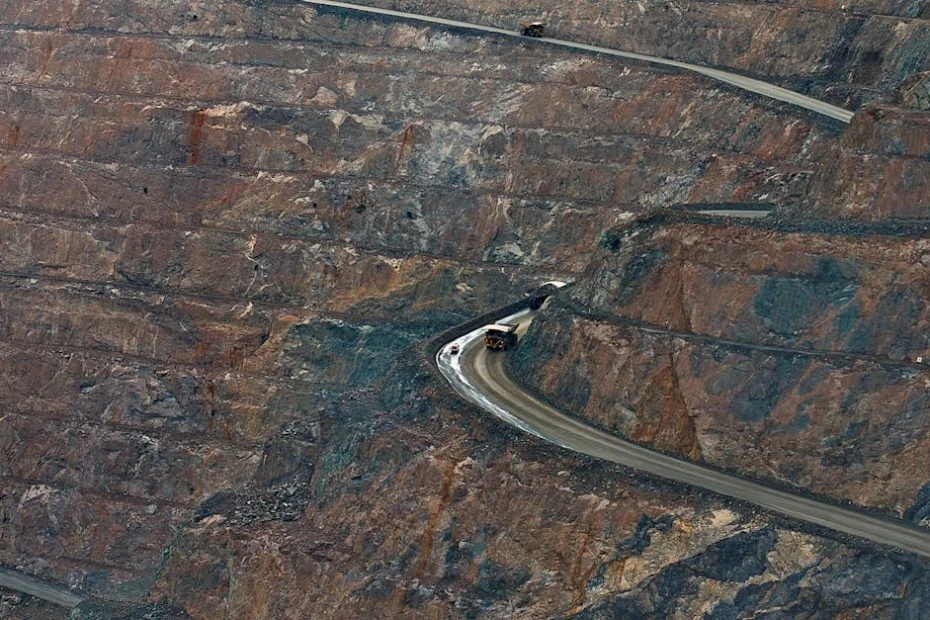

Every tonne of ore that comes out of the ground contains only a fraction of the valuable mineral that miners are after. The rest is waste rock, clay, moisture, and unwanted material that must be separated out before the mineral can be sold or smelted. How efficiently that separation happens determines whether a mining operation makes money or loses it.
Recovery rate, the percentage of valuable mineral actually captured during processing, is the number that keeps mine managers awake at night. Even small improvements in recovery translate to significant revenue gains over the life of a mine. The equipment used in the processing plant plays a direct role in how much mineral ends up in the product pile versus the waste dump.
Why Recovery Rates Fall Short
Mineral losses happen at every stage of processing. Crushing liberates some mineral but traps the rest inside larger rock fragments. Screening misclassifies material when mesh sizes are wrong or screens are worn. Separation equipment loses fine particles that should be captured but are too small to respond to the forces being applied.
Equipment wear is a constant factor. A dry magnetic separator that performed well when new will gradually lose effectiveness as its components degrade. Monitoring performance over time and replacing worn parts before recovery drops is a basic but often overlooked maintenance practice.
Processing Ferrochrome and Alloy Minerals
Ferrochrome production is a major industry in southern Africa, with South Africa producing a large share of the world’s supply. The raw chromite ore must be concentrated before smelting, and magnetic methods play a role in upgrading the feed material.
A Ferrochrome Magnet is designed specifically for the unique magnetic properties of chromite-bearing ores. These magnets must be strong enough to attract the target mineral while rejecting waste rock. Getting the field strength and gradient right for the specific ore being processed is the difference between a concentrate that meets smelter specifications and one that gets rejected.
Iron Ore Concentration Methods
Iron ore beneficiation is one of the most established applications of magnetic processing. Magnetite, the primary iron mineral in many deposits, is strongly magnetic and responds well to low-intensity separation. Hematite, the other major iron mineral, is weakly magnetic and requires high-intensity or gravity-based methods.
The choice of processing route depends on the mineralogy of the deposit. Some ores respond well to a single pass through a magnetic circuit. Others need multiple stages of crushing, grinding, and separation to liberate the iron from the surrounding rock. Each additional processing step adds cost, so the goal is always to achieve the required grade with the fewest stages possible.
Coal Preparation and Cleaning
Coal beneficiation focuses on removing ash-forming minerals, sulphur, and other impurities from raw coal. While coal itself is not magnetic, the impurities associated with it sometimes are. Dense media separation, which uses a suspension of magnetite in water to create a heavy liquid, is one of the most effective coal cleaning methods.
In this process, clean coal floats while heavier impurities sink. The magnetite used to create the dense medium is recovered and recycled using magnetic drums. Any loss of magnetite during the circuit increases operating costs, so the recovery magnets must capture as much of it as possible on every pass.
Handling Bulk Materials Safely
Moving large volumes of ore, coal, and mineral products through a processing plant requires conveyors, chutes, hoppers, and transfer points. At each of these locations, there is potential for tramp metal to enter the material stream. Bolts, liner plates, drill bits, and wire rope fragments are all common contaminants.
Material handling magnets protect downstream equipment by removing these metal objects before they reach crushers, screens, or other sensitive machinery. A single piece of tramp metal passing through an unprotected crusher can cause hours of downtime and thousands in repair costs.
Magnetic Equipment in Underground and Surface Mines
Mining magnets are used at multiple points in both underground and surface mining operations. At the primary crusher, magnets remove metal from the ROM (run of mine) feed. At transfer points between conveyors, additional magnets catch metal that was missed upstream or that entered the system from wear on previous equipment.
The harsh conditions in mining environments demand equipment that is built to last. Dust, moisture, vibration, and impact all take their toll on magnetic equipment. Units designed for mining applications use heavy-duty housings, sealed bearings, and corrosion-resistant finishes to survive years of continuous operation.
Suspended Magnets Over Conveyor Belts
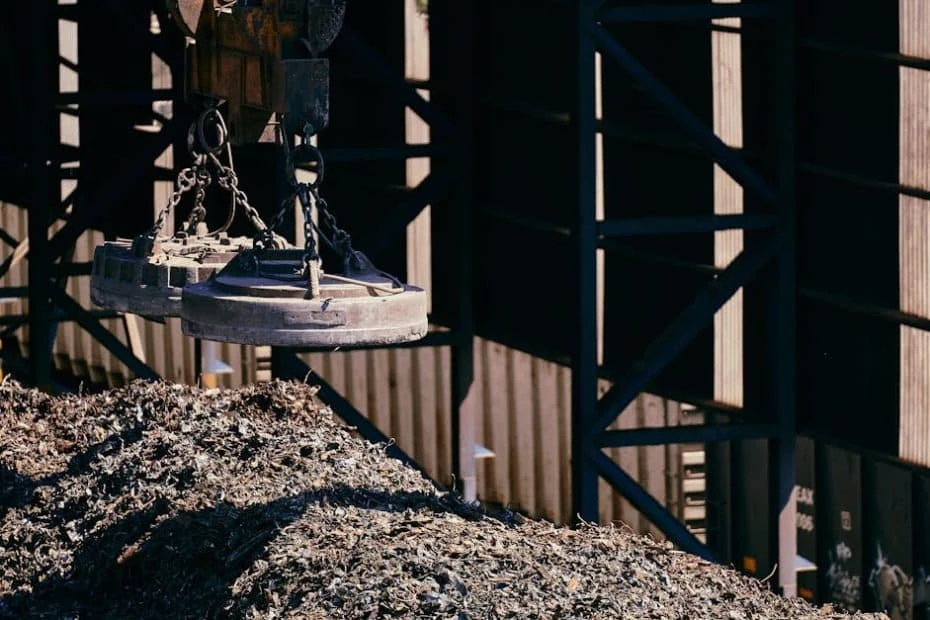
A suspended conveyor magnet hangs above the belt and attracts ferrous metal upward out of the material stream. These units are effective at catching large and medium-sized tramp metal, particularly when the material bed is relatively shallow.
For deeper material beds or faster belt speeds, a suspended magnetic separator with higher field strength is necessary. The magnet must be powerful enough to reach through the full depth of material on the belt and pull metal from the bottom of the bed. Undersized magnets leave contamination in the material and defeat the purpose of the installation.
Tramp Metal: The Silent Equipment Killer
Tramp metal is any unwanted metal that enters the processing circuit. It is called “tramp” because it does not belong there and causes damage wherever it goes. A tramp magnet is the primary defence against this type of contamination.
The consequences of letting tramp metal through are severe. Crusher liners crack. Screen panels tear. Conveyor belts get punctured. In the worst cases, metal causes sparks that ignite dust, creating explosion risks in coal handling plants. Installing tramp metal magnets at strategic points throughout the plant is a straightforward way to prevent these costly and dangerous incidents.
Optimising the Entire Circuit
Improving recovery rates is rarely about changing a single piece of equipment. It requires looking at the entire processing circuit as a connected system. Each stage affects the next. If the crushing circuit produces material that is too coarse, the separation stage cannot capture fine mineral particles. If the screening is inaccurate, the wrong size fractions end up in the wrong circuits.
Regular circuit audits identify bottlenecks and inefficiencies. Sampling at multiple points through the plant reveals where mineral is being lost. Sometimes the solution is as simple as adjusting a screen angle or replacing a worn magnet. Other times, a fundamental change in circuit design is needed to match the equipment to the ore.
Measuring What Matters
Recovery rate is the ultimate measure of plant performance, but it is a lagging indicator. By the time the monthly recovery number comes in, any losses have already happened. Leading indicators like feed grade, equipment uptime, and separation efficiency at each stage give operators real-time information they can act on.
Automated monitoring systems track these variables continuously and flag deviations before they become costly. Plants that invest in measurement and control consistently outperform those that rely on manual sampling and periodic checks. Good data leads to good decisions, and good decisions lead to higher recovery.


































Sign in to leave a comment.