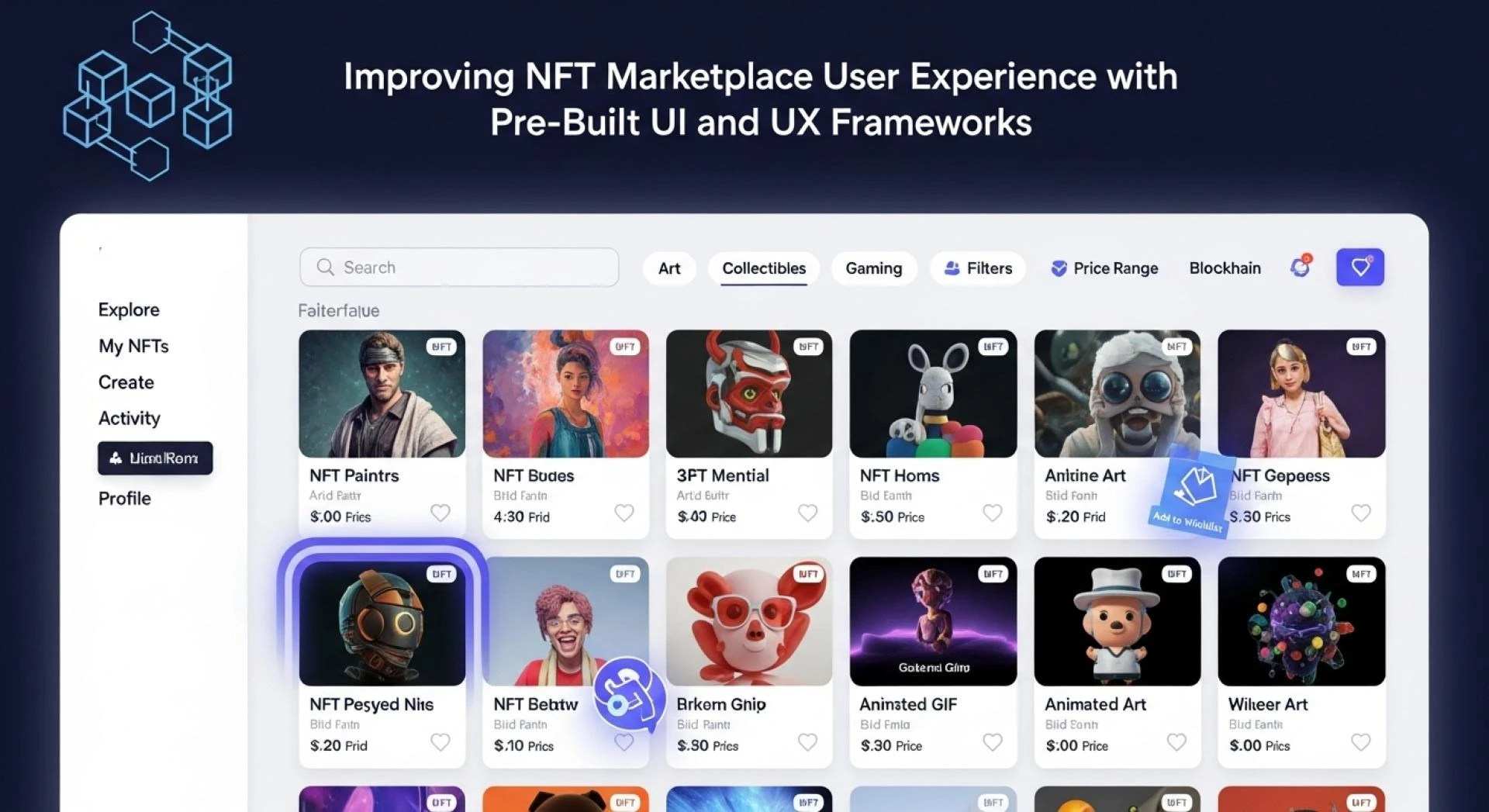

Why User Experience Defines NFT Marketplace Success
NFT marketplaces have evolved far beyond early-stage blockchain experiments. In mature markets such as the United States and the United Kingdom, users approach NFT platforms with expectations shaped by mainstream digital products. They expect intuitive navigation, fast interactions, visual clarity, and predictable behavior across devices.
User experience has become a decisive factor in whether an NFT marketplace retains users or loses them after the first interaction. Platforms that focus solely on blockchain functionality without investing in UI and UX design often struggle with adoption, regardless of their technical capabilities.
White Label NFT Marketplace Development has gained popularity because it integrates pre-built UI and UX frameworks that are already optimized for real-world usage. These frameworks help platforms reduce usability friction while maintaining flexibility for customization.
Key reasons user experience is critical include:
- Most NFT users are not blockchain experts
- Poor navigation increases abandonment rates
- Visual clarity impacts trust and perceived value
- Consistent UX improves transaction confidence
Pre-built UI and UX frameworks provide a structured foundation for building NFT platforms that feel familiar, accessible, and reliable.
Understanding User Experience Challenges in NFT Marketplaces
NFT platforms introduce complexity by nature. Wallet connections, blockchain confirmations, gas fees, and asset ownership are unfamiliar concepts to many users, especially in non-technical segments.
Without thoughtful UI and UX design, this complexity becomes overwhelming. Users may struggle to understand basic actions such as minting, listing, or purchasing NFTs.
Common UX challenges include:
- Confusing wallet connection flows
- Poor visibility of transaction status
- Overloaded dashboards with excessive information
- Inconsistent design across pages
White Label NFT Marketplace Solutions address these challenges by using design frameworks that simplify interactions while preserving blockchain transparency.
Role of Pre-Built UI Frameworks in NFT Marketplaces
Pre-built UI frameworks provide a standardized visual structure for NFT platforms. Instead of designing every component from scratch, platforms can use reusable UI elements that have been tested across different user scenarios.
These frameworks support faster development while ensuring consistency across the platform.
Advantages of pre-built UI frameworks include:
- Uniform design language across pages
- Faster interface development cycles
- Reduced visual inconsistencies
- Easier future updates
For NFT platforms targeting US and UK audiences, visual consistency plays a key role in establishing credibility.
UX Frameworks and User Journey Optimization
UX frameworks focus on how users move through the platform rather than how it looks. They define the logic behind navigation, workflows, and decision-making paths.
In NFT marketplaces, user journeys often include exploration, wallet connection, transaction execution, and post-purchase tracking. Each step must feel intuitive.
UX optimization benefits include:
- Clear onboarding flows
- Reduced cognitive load for new users
- Predictable navigation patterns
- Faster task completion
White Label NFT Marketplace Development incorporates UX frameworks that map these journeys effectively.
Simplifying Onboarding for First-Time NFT Users
Onboarding is often the first interaction users have with an NFT platform. A confusing onboarding process can discourage users before they complete any action.
Pre-built UX frameworks focus on progressive disclosure, introducing features gradually rather than overwhelming users.
Effective onboarding improvements include:
- Guided wallet connection steps
- Tooltips explaining blockchain concepts
- Minimal initial data requirements
- Clear calls-to-action
These design choices are particularly important for mainstream users in the US and UK.
Improving Navigation and Discoverability
NFT marketplaces often contain large volumes of digital assets. Without structured navigation, users may struggle to discover relevant content.
Pre-built UI frameworks include navigation patterns that support efficient browsing.
Navigation improvements include:
- Category-based asset organization
- Advanced search and filtering options
- Consistent menu placement
- Breadcrumb navigation
Better discoverability directly impacts user engagement and time spent on the platform.
Enhancing NFT Browsing and Asset Presentation
The way NFTs are displayed affects perceived value. Poor visual presentation can make even high-quality assets appear untrustworthy or unprofessional.
UI frameworks optimize asset presentation while maintaining performance.
Key presentation features include:
- High-quality image rendering
- Responsive asset grids
- Clear ownership and pricing details
- Optimized loading behavior
These features align with user expectations in visually driven markets.
Transaction Transparency Through UX Design
One of the biggest user frustrations in NFT platforms is uncertainty during transactions. Users want to know what is happening at every stage.
UX frameworks improve transparency by visualizing transaction states.
Transparency-enhancing elements include:
- Step-by-step transaction indicators
- Real-time confirmation messages
- Clear success and failure notifications
- Transaction history dashboards
These elements reduce anxiety and increase transaction completion rates.
Mobile Responsiveness and Cross-Device Experience
A significant portion of NFT users access platforms via mobile devices. UI frameworks are designed to adapt across screen sizes without sacrificing functionality.
Responsive design ensures consistency across devices.
Mobile UX benefits include:
- Touch-friendly navigation
- Optimized loading speeds
- Consistent layouts across devices
- Reduced interface clutter
For US and UK users, mobile accessibility is often a baseline expectation.
Accessibility Considerations in NFT Marketplace UX
Accessibility is an increasingly important aspect of digital product design. NFT platforms must accommodate users with varying abilities.
Pre-built UX frameworks often include accessibility-ready components.
Accessibility features include:
- Readable typography
- High-contrast color schemes
- Keyboard navigation support
- Screen reader compatibility
These considerations improve inclusivity and regulatory readiness.
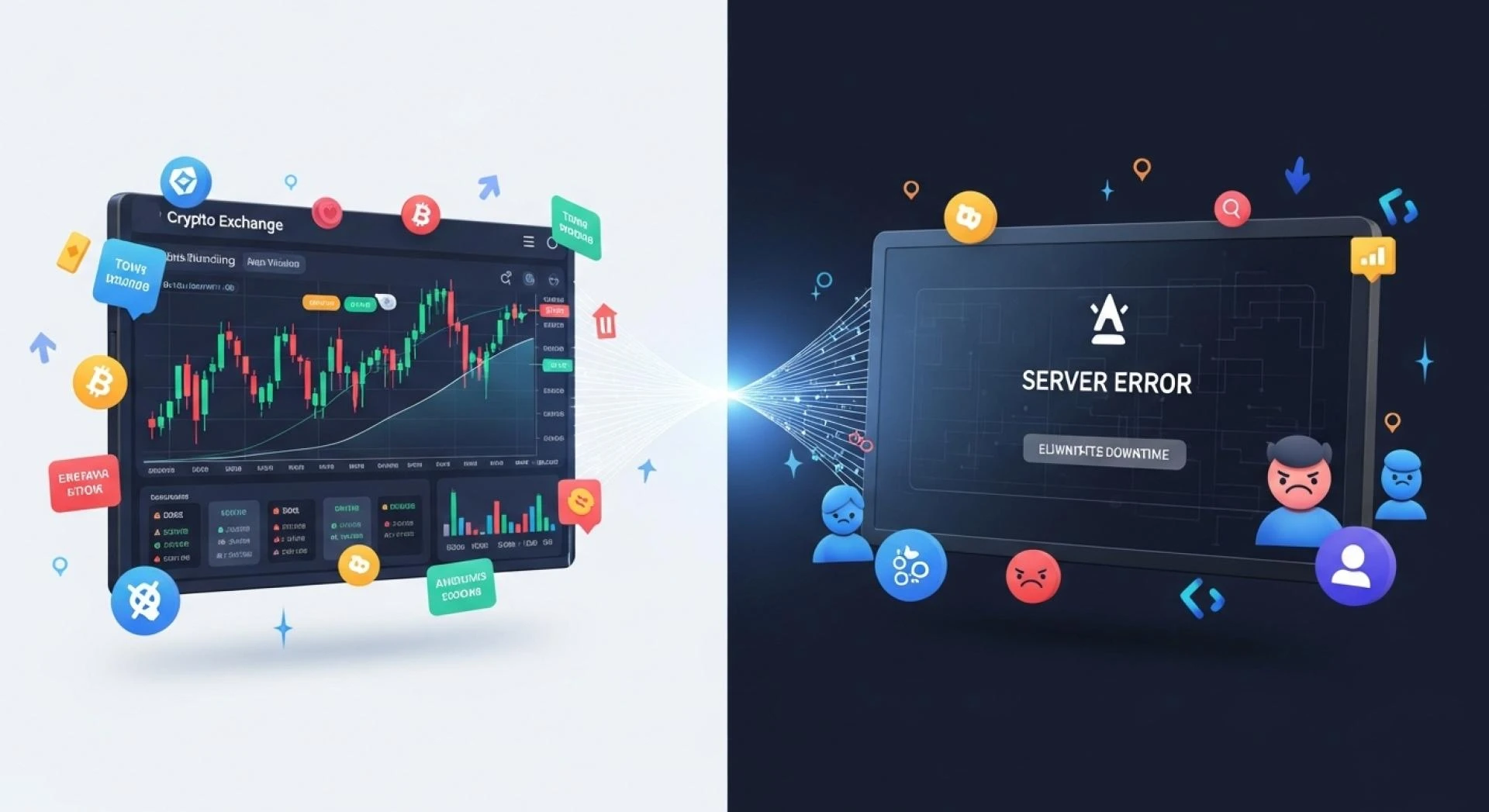
Performance Optimization Through UI Design
UX is closely tied to performance. Slow-loading interfaces or laggy interactions reduce user trust.
UI frameworks optimize performance by minimizing unnecessary rendering and improving load efficiency.
Performance-related improvements include:
- Lazy loading of assets
- Optimized animations
- Efficient state management
- Reduced UI overhead
Better performance enhances perceived platform quality.
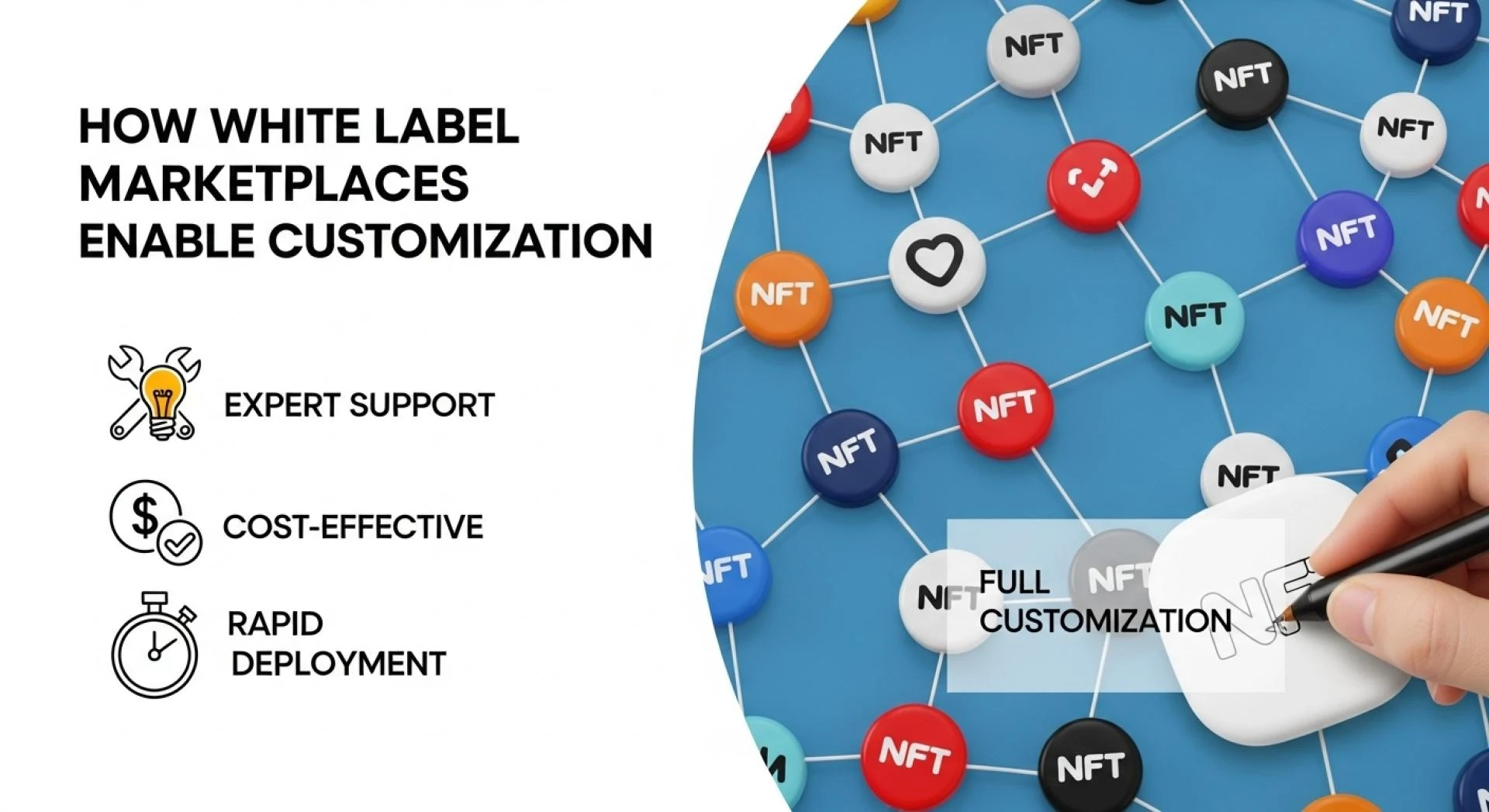
Customization Flexibility Without UX Degradation
While pre-built frameworks provide structure, they must also allow customization. White Label NFT Marketplace Solutions balance standardization with flexibility.
Customization benefits include:
- Brand-aligned visual themes
- Configurable layouts
- Feature-based UI adjustments
- Scalable design systems
This flexibility ensures platforms maintain unique identities.
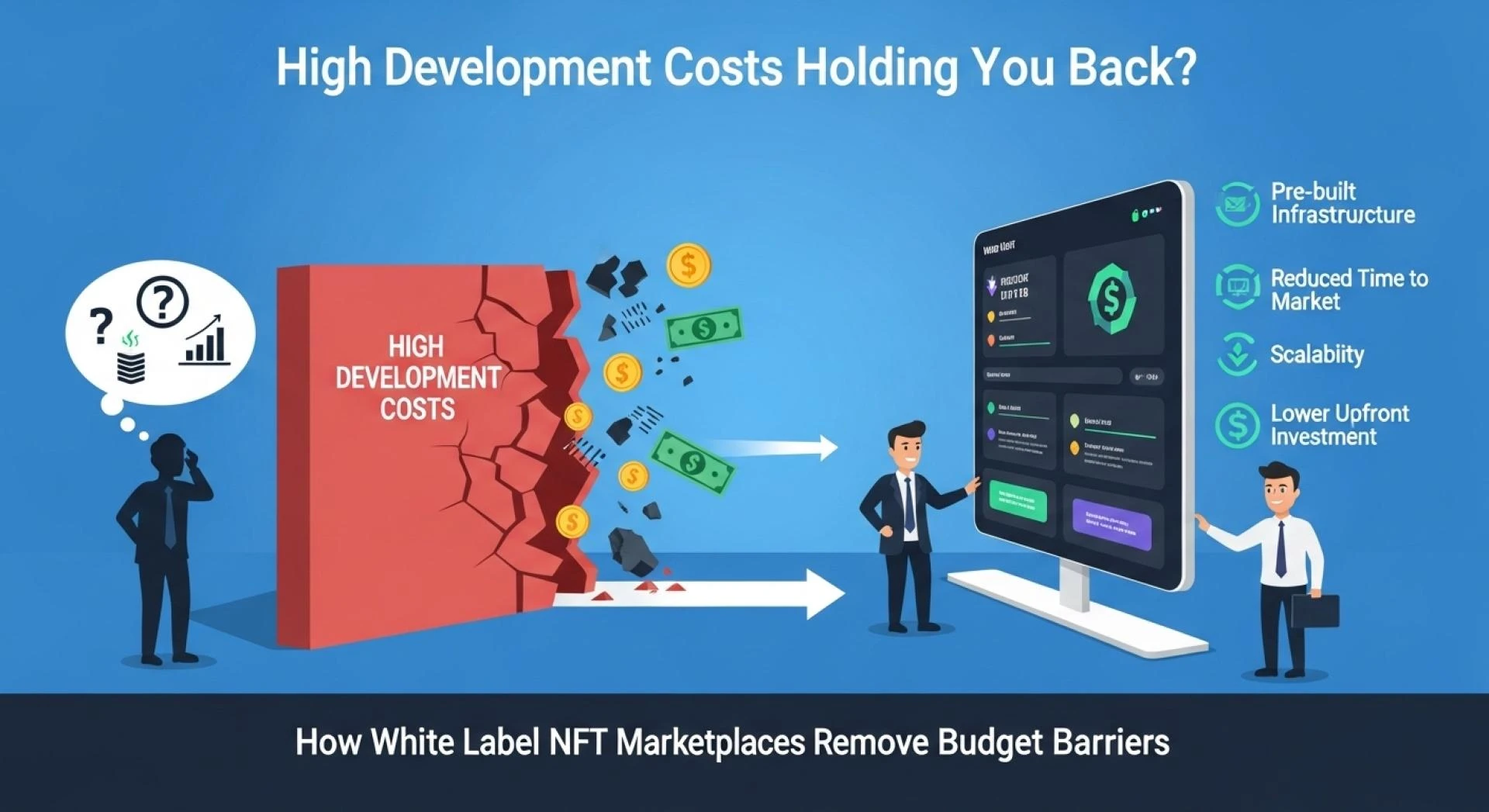
Reducing Development Risk Through Proven UX Patterns
Custom UX design involves trial and error. Poor design decisions can be costly and time-consuming to fix.
White Label NFT Marketplace Development reduces risk by using proven UX patterns.
Risk reduction benefits include:
- Fewer usability issues post-launch
- Reduced redesign requirements
- Faster user acceptance
- Lower support costs
This approach is especially valuable for startups and enterprises alike.
Role of White Label NFT Marketplace Service Providers in UX Evolution
UX is not static. User expectations evolve, and platforms must adapt.
White Label NFT Marketplace Service Providers support ongoing UX improvements.
Ongoing support includes:
- UI updates and refinements
- Usability testing insights
- Performance optimization
- Feature-driven UX adjustments
Long-term UX evolution supports sustained engagement.
Conclusion: Building User-Centric NFT Marketplaces with Pre-Built Frameworks
User experience has become a defining factor in NFT marketplace success. In competitive regions such as the United States and the United Kingdom, platforms must deliver intuitive, reliable, and visually coherent experiences to retain users.
Pre-built UI and UX frameworks used in White Label NFT Marketplace Development provide a strong foundation for achieving these goals. By leveraging proven White Label NFT Marketplace Solutions, businesses can reduce usability risks while maintaining design flexibility.
Key takeaways include:
- UX simplicity drives adoption and retention
- Pre-built frameworks reduce development uncertainty
- Responsive and accessible design expands reach
- Continuous UX improvement supports long-term growth
By working with experienced White Label NFT Marketplace Service Providers, businesses can build NFT platforms that feel intuitive from the first interaction and remain competitive as user expectations evolve.



















Sign in to leave a comment.