

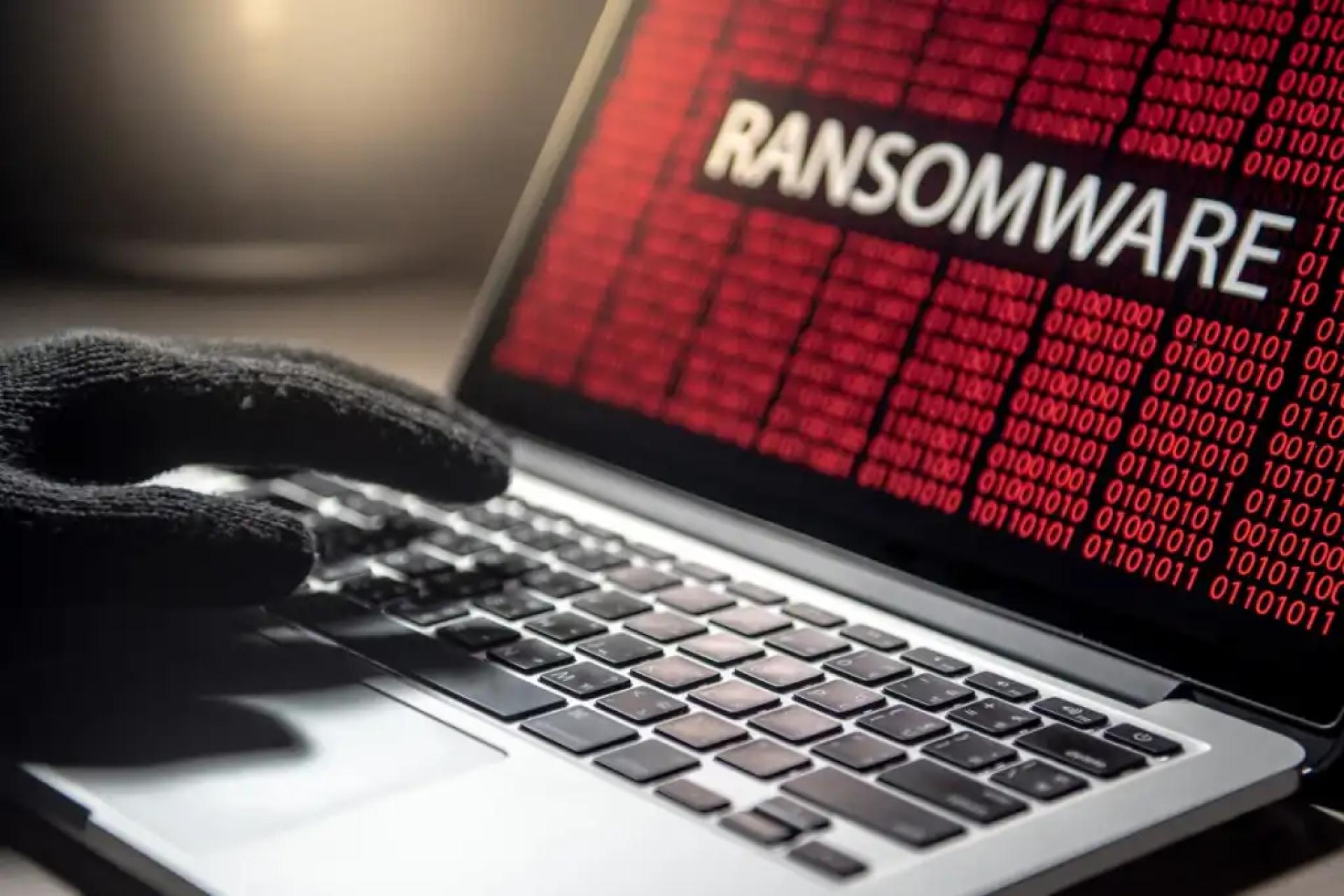
Ransomware has earned its reputation as one of the most formidable cybersecurity threats today. With high-profile attacks targeting businesses, healthcare systems, and even government institutions, it's clear that ransomware is evolving rapidly—both in scope and sophistication. But how exactly does ransomware work? What makes it so effective, and more importantly, what measures can enterprises take to protect their data?
This blog provides an in-depth ransomware review, breaking down this growing menace while exploring viable defense mechanisms organizations can implement to stay one step ahead.
What Is Ransomware?
Ransomware is malicious software designed to encrypt an organization's data, rendering it inaccessible until a ransom is paid. This disruptive cyberattack not only paralyzes businesses but often leads to financial losses, reputational damage, and regulatory consequences.
There are two primary types of ransomware attacks, crypto-ransomware and locker ransomware:
- Crypto-ransomware encrypts critical files to prevent user access unless a decryption key is purchased from the attacker.
- Locker ransomware locks users out of their devices entirely, denying access to even the simplest functions.
Both methods exploit vulnerabilities, often infiltrating systems via phishing emails, compromised software, or unsecured networks. Regardless of the delivery mechanism, ransomware thrives by preying on lapses in security measures and employee awareness.
Why is Ransomware a Growing Threat in Cybersecurity Today?
Ransomware attacks are surging for several key reasons, which underscore the vulnerabilities inherent in modern IT infrastructures.
1. The Lucrative Business Model
Ransomware attacks frequently demand payments in untraceable cryptocurrencies, making them appealing to cybercriminals who enjoy high profitability and minimal risk. Sophisticated ransomware groups now operate like professional businesses, offering "Ransomware-as-a-Service" (RaaS) kits to aspiring hackers, thus lowering the barrier to entry.
2. Remote Work Vulnerabilities
Remote workforces can inadvertently create an ideal environment for ransomware attacks. Laptops connected to unsecured Wi-Fi networks often bypass corporate firewalls and leave endpoints exposed.
3. Lack of Preparedness
Many organizations underestimate the sophistication of today’s ransomware review. A lack of employee training, insufficient network monitoring tools, and improper patch management leave significant gaps for attackers to exploit.
4. Increased Use of IoT Devices
The proliferation of IoT devices introduces new entry points for cyberattacks. With devices often lacking strong security protocols, attackers can exploit them as gateways into enterprise networks.
Eye-Opening Ransomware Statistics
- Ransomware attacks increased by 105% globally in 2021 (Source: Cybersecurity Ventures).
- Average ransomware demands surged to $570,000 in 2021, up from $312,000 the prior year.
- 61% of companies affected by ransomware paid the ransom, but nearly half of them still couldn’t recover their encrypted data completely.
Effective Ransomware Solutions
Understanding the scale of ransomware threats is only half the battle. Implementing robust strategies is essential to mitigate risks and minimize damage. Below are industry-recommended solutions to protect businesses against ransomware attacks.
1. Employee Awareness and Training
Educating employees is the first line of defense. Cybersecurity today relies heavily on end-user vigilance to avoid phishing scams and suspicious links. Regular training sessions and simulated phishing attempts help instill security best practices, such as:
- Recognizing phishing emails.
- Avoiding unknown attachments or links.
- Reporting potential threats immediately.
2. Data Backups
A robust data backup system is one of the most effective safeguards against ransomware. Regularly backing up critical files in secured, air-gapped locations ensures organizations can recover data without succumbing to ransom demands. Employ the 3-2-1 backup rule:
- Maintain 3 copies of your data (1 primary and 2 backups).
- Use 2 different types of storage media.
- Store 1 copy off-site and offline.
3. Endpoint Detection and Response (EDR) Solutions
Modern ransomware attacks often bypass traditional antivirus software. EDR solutions provide advanced threat detection by:
- Monitoring endpoint activities in real-time.
- Identifying suspicious behaviors like abnormal encryption levels.
- Isolating infected systems to prevent spread.
Trusted tools like CrowdStrike Falcon or Carbon Black are excellent choices for enterprise-level EDR.
4. Advanced Email Filtering
Since phishing is a prevalent attack vector, use email filtering software that detects and blocks malicious attachments or URLs before they hit employees’ inboxes. These tools typically integrate seamlessly with existing email providers like Microsoft 365 or Google Workspace.
5. Network Segmentation
By dividing networks into smaller segments, businesses can limit the spread of a ransomware infection. If ransomware breaches one area, segmented systems ensure it cannot propagate to the entire network, minimizing potential damage.
6. Zero Trust Architecture
The Zero Trust model ensures that no system, user, or device is trusted by default—each must undergo continuous verification. This approach dramatically reduces the potential attack surface for ransomware.
Key principles include:
- Privileged access management (limiting permissions to critical systems).
- Multi-factor authentication (MFA).
- Continuous network monitoring.
7. Incident Response Planning
Preparation is vital. Craft a ransomware incident response plan tailored to your organization, outlining steps to:
- Contain ransomware infections promptly.
- Notify stakeholders and comply with data breach regulations.
- Work with cybersecurity professionals to determine if ransom payments are unavoidable.
Ransomware Case Studies and Lessons Learned
Colonial Pipeline Breach (2021)
The Colonial Pipeline ransomware attack demonstrated the fragility of critical infrastructure. By targeting the pipeline operator’s billing system, attackers demanded a $4.4 million ransom, highlighting vulnerabilities in industrial networks.
Lesson: Critical infrastructures must adopt proactive monitoring systems and robust incident response plans to minimize disruption.
Maersk Attack (2017)
Global shipping giant Maersk fell victim to the NotPetya ransomware, paralyzing its operations across 76 ports worldwide. This incident cost the company approximately $300 million.
Lesson: Effective backup strategies could have helped Maersk recover quicker. The need for updated software and security patches also became evident.
Looking Forward
With ransomware attacks becoming more sophisticated, businesses cannot afford to remain passive. The integration of innovative cybersecurity today measures, employee training, and strategic defense mechanisms is critical. When paired with a robust incident response plan, these actions will empower enterprises to combat ransomware more effectively.
Companies that proactively prioritize security posture today will not only reduce ransomware risks but also gain a trust factor critical to competing in the modern digital age.

























Sign in to leave a comment.