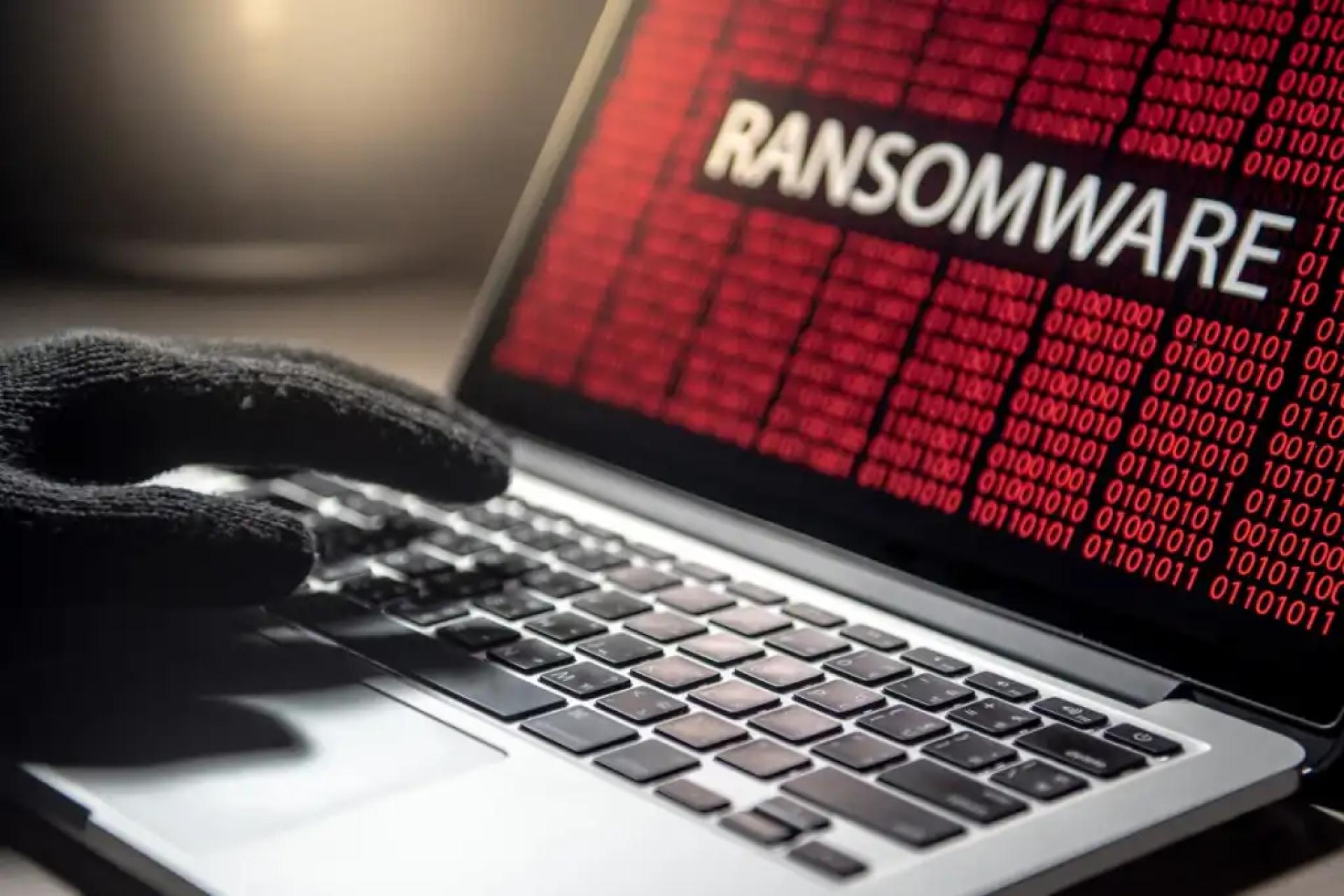

Ransomware attacks continue to dominate headlines, targeting organizations of all sizes across the globe. These cyberattacks are not only increasing in frequency but also growing more sophisticated, exploiting vulnerabilities that traditional defenses can no longer handle effectively. For decision-makers, IT professionals, and cybersecurity experts, understanding the evolving trends in ransomware and implementing proactive measures is critical to protect sensitive data and ensure business continuity.
This blog provides an in-depth ransomware review, highlights tactics such as the ubiquitous phishing attack, and covers actionable strategies to help businesses stay one step ahead.
What is Ransomware?
At its core, ransomware is a type of malware that encrypts a victim’s files or locks them out of their systems until a ransom is paid, typically in cryptocurrency. However, ransomware has evolved beyond simple extortion. Today’s ransomware campaigns often include data theft and threats to publicly release sensitive information unless payment is made, introducing reputational risks alongside financial losses.
According to a recent report from Cybersecurity Ventures, ransomware attacks are projected to cost victims approximately $265 billion annually by 2031. This makes ransomware not just a tech issue but a growing business concern that demands immediate attention.
Different Types of Ransomware
Ransomware can be categorized into several types based on its approach and intention, including the following:
1. Crypto Ransomware
This variation encrypts victims' data, rendering it unusable until a decryption key is provided—typically only after the ransom is paid. Popular examples include WannaCry and Ryuk.
2. Locker Ransomware
This type locks users out of their devices entirely, usually targeting system-level access. An infamous example is the Reveton ransomware, which mimics law enforcement warnings to coerce payments.
3. Ransomware-as-a-Service (RaaS)
RaaS has introduced a subscription-based model for cyberattacks, enabling non-technical threat actors to conduct attacks by purchasing ransomware kits. This has significantly lowered the barrier to entry for cybercriminals.
Each type represents a unique challenge, requiring businesses to implement versatile defenses.
The Rising Threat of Phishing in Ransomware Attacks
If ransomware is the weapon, phishing is often the deployment method. Phishing attacks remain the most popular entry point for ransomware infections, preying on human error with cleverly designed emails, links, or attachments that appear legitimate.
For example, a phishing email disguised as an invoice from a trusted vendor could trick an employee into clicking a malicious link, allowing the ransomware to infiltrate the network. According to Verizon’s Data Breach Investigations Report, phishing was responsible for 36% of all breaches in 2023.
Why Are Phishing Attacks so Effective?
- Social Engineering - Cybercriminals use psychological manipulation to exploit human tendencies, such as curiosity or urgency.
- Real-Time Adaptation - Many phishing campaigns use real-time tactics to align with trending topics or current events, such as exploiting vulnerabilities in remote work setups during COVID-19.
- Credential Harvesting - Phishing attacks often go beyond delivering ransomware, harvesting login credentials that can be sold on the dark web or used to compromise additional systems.
The Cost of Ransomware Attacks
Ransomware attacks can cripple businesses financially, operationally, and reputationally. Here’s a closer look at the consequences:
Financial Costs
- Paying the ransom itself can be exorbitant, with average demands exceeding $1 million.
- Legal fees, incident response, and recovery costs add up rapidly, often overshadowing the ransom payment.
Operational Downtime
- Downtime caused by system lockouts can be catastrophic, halting operations entirely. On average, businesses experience downtime of 21 days post-ransomware attacks, per a Coveware report.
Damage to Reputation
- Data breaches resulting from ransomware attacks erode customer trust, making recovery in competitive markets even more challenging.
How to Stay Ahead of Ransomware Threats?
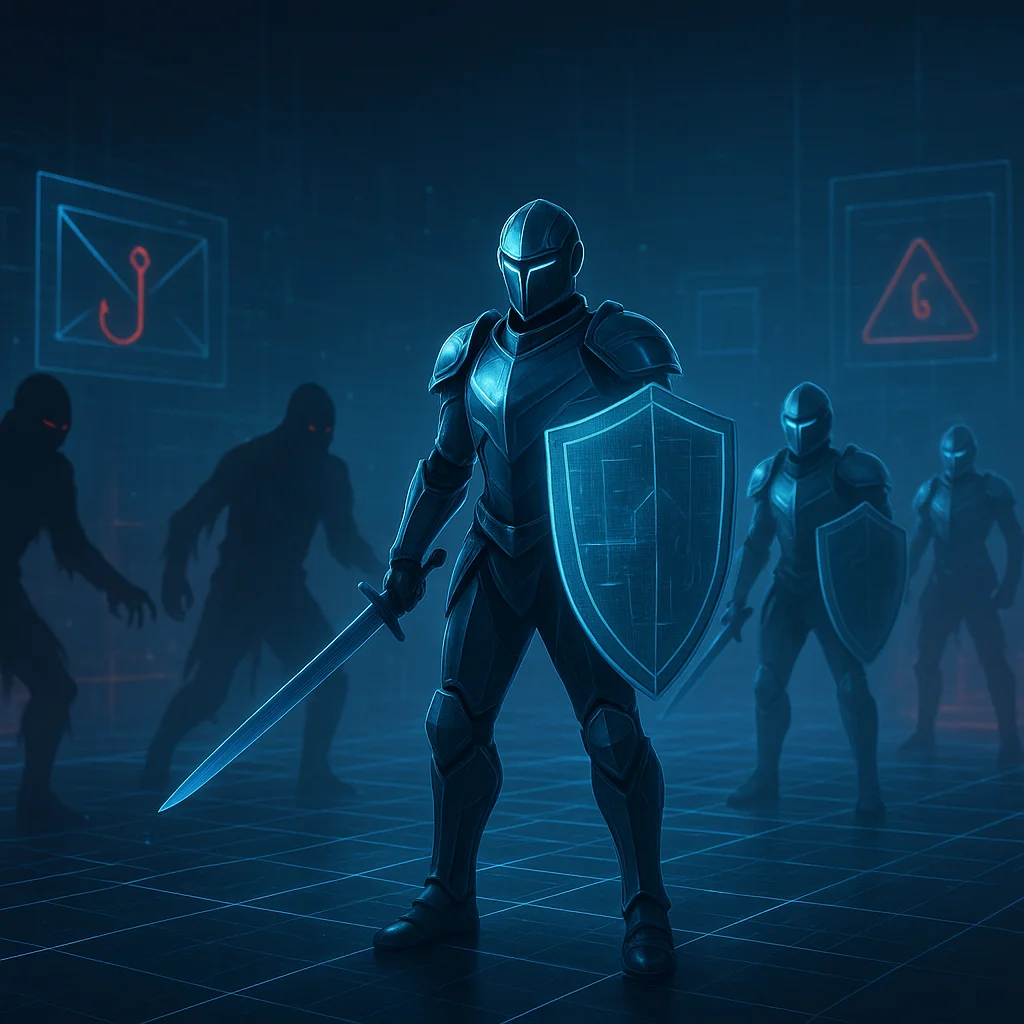
Staying ahead requires both a forward-thinking approach to cybersecurity and a multi-layered defense strategy. Below are key measures businesses must take to mitigate the risks of ransomware attacks effectively.
1. Implement Comprehensive Anti-Phishing Solutions
Since phishing attacks are a primary vector, anti-phishing tools such as Proofpoint or Mimecast can help detect and block threats before they reach employees’ inboxes.
2. Train Your Workforce
Human error is often the weakest link in cybersecurity. Conduct regular training sessions to educate employees about recognizing phishing attempts, malicious emails, and suspicious links. Interactive simulations, such as KnowBe4, are excellent for building awareness and preparedness.
3. Regularly Backup Data
Frequent backups are your safety net in the event of a ransomware attack. Follow the 3-2-1 rule for data backups—three copies of your data, stored on two different media, with one copy stored offsite.
4. Deploy Endpoint Detection and Response (EDR)
EDR tools such as CrowdStrike and Carbon Black actively monitor endpoints for unusual behavior, enabling swift containment of suspicious activities.
5. Update and Patch Systems Regularly
Unpatched vulnerabilities can be exploited by ransomware. Ensure your systems and software are up-to-date with the latest security patches. Automated patch management tools like Qualys or Ivanti can simplify this process.
6. Use Zero Trust Architecture
Adopt a Zero Trust approach, assuming no user or device is trusted by default. With this model, access to systems and data is tightly controlled, reducing the likelihood of ransomware spreading through internal networks.
7. Work With a Managed Security Service Provider (MSSP)
MSSPs like Rapid7 or Arctic Wolf provide 24/7 monitoring, proactive threat hunting, and immediate incident response, ensuring enterprises stay ahead of evolving ransomware threats.
8. Maintain Cyber Insurance
Cyber insurance is a last line of defense, helping mitigate the costs associated with ransomware recovery. Be sure to review the fine print, as many policies have exclusions related to ransom payments.
The Role of AI and Machine Learning in Ransomware Defense
Sophisticated ransomware calls for equally advanced defenses. AI and machine learning algorithms detect patterns and anomalies faster than traditional systems. For example, predictive analytics can identify and neutralize threats before they infiltrate networks.
AI-powered cybersecurity tools like Darktrace and Cylance are redefining the ransomware defense landscape by providing real-time threat detection and automated responses.
Preparing for the Future of Ransomware
The ransomware landscape evolves rapidly, with attackers developing new tactics to bypass existing defenses. For instance, the rise of double extortion schemes highlights the need to secure not only operational data but also sensitive customer information.
Regular ransomware reviews of your cybersecurity infrastructure are essential to remain agile in responding to emerging threats.
Final Thoughts: Building Resilience Against Ransomware
Ransomware attacks may be inevitable, but the damage they cause doesn’t have to be. By implementing robust security measures, staying educated on evolving threats like phishing attacks, and leveraging AI-powered tools, businesses can minimize their exposure and reduce recovery times in the event of an attack.
Want to take your ransomware defenses to the next level? Start with a comprehensive risk assessment today. Protect your business, safeguard your data, and stay one step ahead of cybercriminals.

























Sign in to leave a comment.