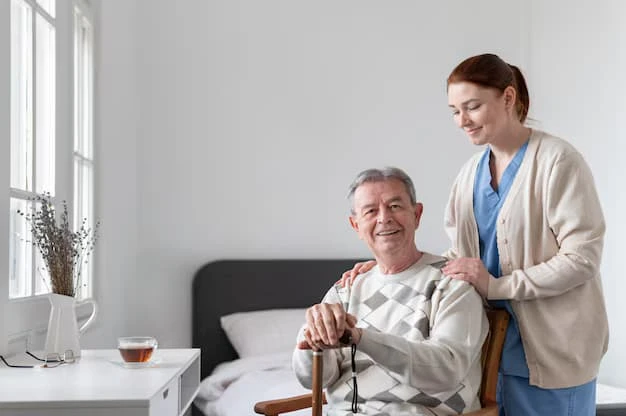

Dementia affects millions of seniors and their families, often creating challenges that require compassionate and specialized support. While every family wants the best for their loved one, many also understand the importance of preserving a sense of normalcy, routine, and emotional well-being. In home dementia care offers a way to maintain comfort and familiarity while providing seniors with the professional assistance they need. This approach ensures that seniors can continue to live in their own homes, surrounded by memories, routines, and loved ones, while receiving personalized support tailored to their needs.
Understanding In Home Dementia Care
What In Home Dementia Care Means
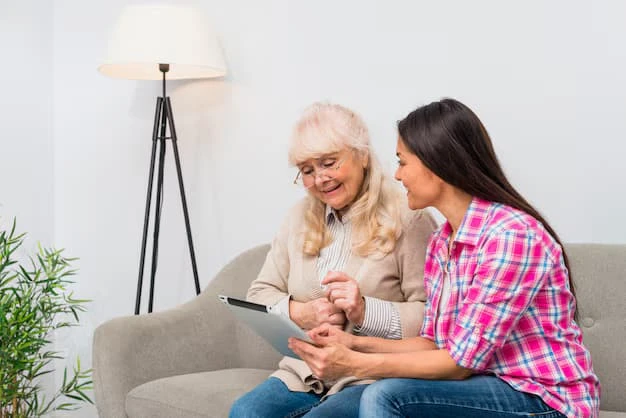
In home dementia care refers to specialized support delivered directly in the senior’s own living environment. Caregivers trained in dementia support focus on meeting the unique needs of individuals experiencing memory loss and cognitive decline. Services may include help with daily activities, structured routines, companionship, and safety supervision, all provided within the familiar comfort of home.
Why Staying at Home Matters
For individuals with dementia, surroundings play a significant role in emotional well-being. Familiar objects, rooms, and routines help reduce confusion and anxiety, providing a sense of stability. In home dementia care allows seniors to remain in the environment they know best while still benefiting from professional, compassionate support.
Benefits of In Home Dementia Care for Seniors
Personalized Support Every Day
Each senior experiences dementia differently. With in home dementia care, support is tailored to the individual’s specific needs, preferences, and routines. From assistance with dressing and grooming to medication reminders and meal preparation, personalized care ensures comfort and dignity.
Safety and Peace of Mind
Seniors with dementia often face risks such as wandering, forgetfulness, or confusion with household tasks. In home caregivers provide consistent supervision and create safe daily routines, reducing risks while maintaining independence where possible.
Emotional Comfort and Stability
Remaining in a familiar home environment helps seniors feel more secure and less disoriented. Caregivers can provide calm reassurance and patient guidance that promotes emotional comfort and reduces feelings of agitation or frustration.
Meaningful Engagement and Activities
In home dementia care goes beyond basic support. Caregivers engage seniors in activities that stimulate the mind and bring joy, such as music, puzzles, simple conversations, or reminiscing. These activities can encourage connection and help preserve cognitive abilities for longer.
Benefits of In Home Dementia Care for Families
Relief from Caregiver Stress
Caring for a loved one with dementia can be overwhelming. Many family members experience exhaustion while trying to balance caregiving with other responsibilities. In home dementia care provides relief by ensuring professional support is always available, allowing families to focus on quality time rather than constant caregiving tasks.
Confidence in Professional Care
Trained caregivers bring expertise in handling dementia-related challenges such as mood changes, wandering, or communication difficulties. Families gain peace of mind knowing their loved one is in the hands of professionals who understand their needs.
Stronger Family Connections
With caregivers assisting in daily tasks, families can focus on creating meaningful moments with their loved one. Instead of being consumed by responsibilities, they can enjoy quality interactions that strengthen family bonds.
Guidance and Support for Families
In home dementia care often includes education for families on communication techniques, coping strategies, and ways to support their loved one. This guidance helps families feel empowered and more confident in their role.
Recognizing When In Home Dementia Care is Needed
Increased Forgetfulness or Confusion
If a loved one is frequently forgetting important details, struggling with names, or appearing disoriented in their own home, it may be time to consider professional in home dementia care.
Difficulty with Daily Tasks
Struggles with cooking, bathing, dressing, or medication management can signal the need for additional support. Professional caregivers can step in to ensure daily tasks are handled with dignity and care.
Behavioral or Mood Changes
Dementia often leads to mood swings, withdrawal, or increased agitation. Trained caregivers can provide patience and understanding, helping seniors feel calmer and more supported.
Safety Concerns
Wandering, forgetting to turn off appliances, or difficulty managing household safety can put seniors at risk. In home care provides the supervision and routines needed to keep them safe.
Long-Term Advantages of In Home Dementia Care
Continuity and Consistency
As dementia progresses, consistency in care becomes more important. In home dementia care ensures that seniors receive ongoing support without the disruption of changing environments.
Preserving Identity and Lifestyle
Being able to live at home allows seniors to continue with familiar routines and traditions. This continuity helps preserve their sense of self and supports emotional well-being.
Adapting to Changing Needs
Dementia is a progressive condition, and care needs often evolve over time. In home dementia care can be adjusted to meet these changing needs, from light assistance in the early stages to more comprehensive support as time goes on.
How to Choose In Home Dementia Care
Experience and Training
Families should look for caregivers who have specialized training in dementia care. Knowledge of memory support techniques, patience, and effective communication skills are essential qualities.
Customized Care Plans
Each senior’s experience with dementia is unique. Caregivers should create personalized plans that reflect the senior’s daily routines, personal preferences, and health needs.
Strong Communication with Families
A good in home dementia care program prioritizes communication with families. Regular updates and collaborative planning ensure that care remains aligned with the family’s expectations and the senior’s needs.
Conclusion
In home dementia care provides a compassionate solution that allows seniors to remain in familiar surroundings while receiving the support they need. It offers benefits for both seniors and their families by ensuring safety, reducing stress, and creating opportunities for meaningful moments together. By focusing on comfort, stability, and individualized care, in home dementia care preserves dignity and enhances quality of life.
Full Bloom Memory Care is dedicated to providing trusted in home dementia care that prioritizes comfort, familiarity, and compassionate support. Families searching for personalized care for their loved ones can turn to Full Bloom Memory Care for guidance and professional in home services that make a lasting difference.




























Sign in to leave a comment.