
In the competitive landscape of modern business, customer retention has become a top priority for companies aiming for sustainable growth and profitability. Acquiring new customers can be costly, making it essential for businesses to focus on retaining existing ones. One effective strategy that has gained popularity is recurring billing. In this article, we will explore the role of recurring billing in enhancing customer retention and discuss strategies to implement it successfully.
Understanding Recurring Billing
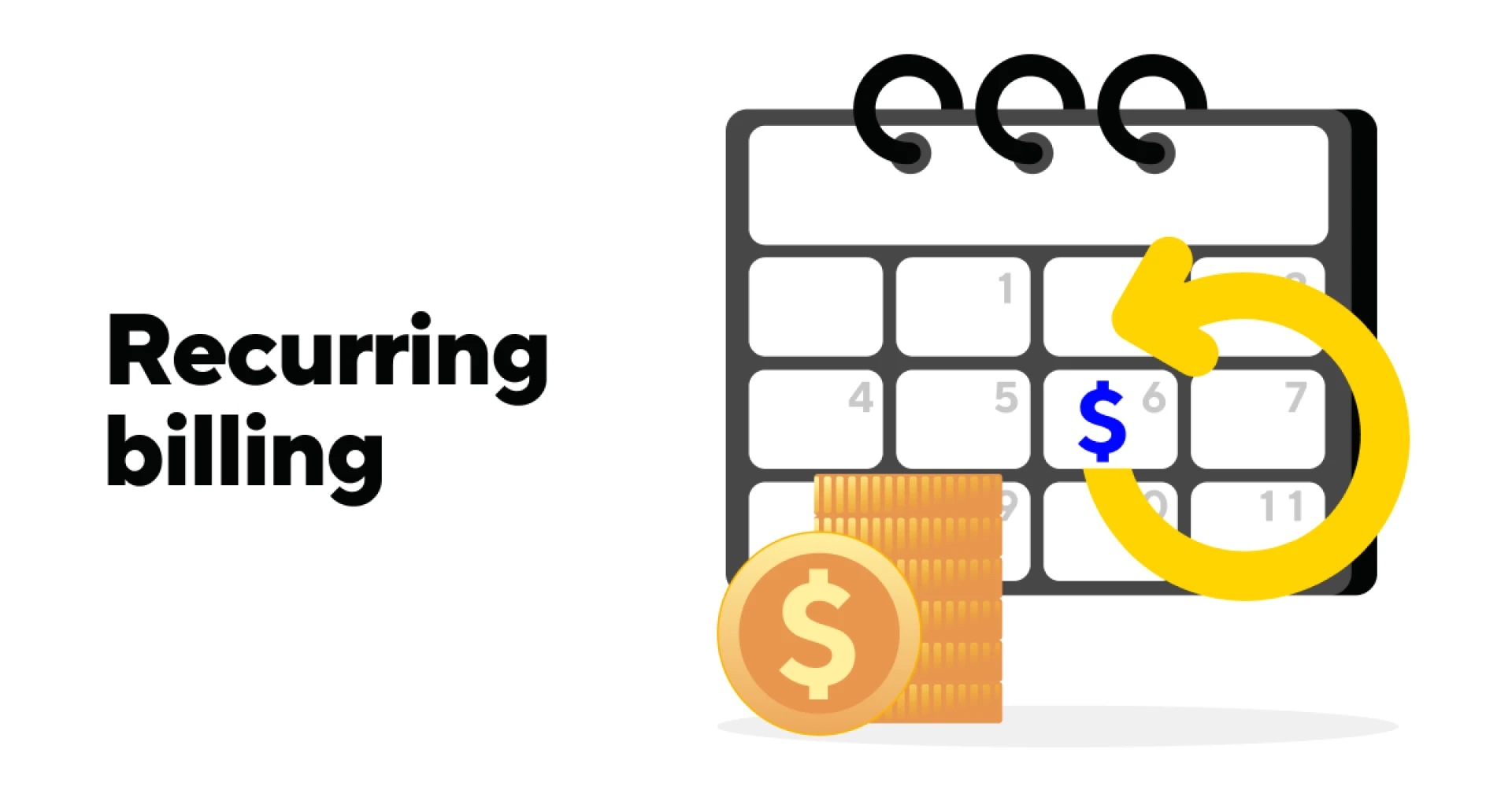
Recurring billing, also known as subscription billing, is a payment model where customers are charged at regular intervals, typically monthly or annually, for continued access to products or services. This model is prevalent in various industries, including software, media streaming, healthcare, and e-commerce. The predictability of recurring revenue stream offers stability to businesses while providing customers with a seamless payment experience.
The Importance of Customer Retention
Customer retention is the art of keeping existing customers engaged and loyal to a brand. It is a critical aspect of business success, as loyal customers not only generate repeat business but also act as brand advocates, influencing others to choose the same products or services. High customer retention leads to increased customer lifetime value, which positively impacts on a company's revenue and profitability.
Leveraging Recurring Billing for Customer Retention
3.1 Personalization and Flexibility
Offering personalized subscription plans that cater to individual customers' needs can significantly improve retention rates. Businesses can provide different tiers of services with varying features and price points, allowing customers to choose the plan that best suits their requirements. Flexibility in subscription plans helps build stronger customer relationships and fosters a sense of ownership over the chosen services.
3.2 Value-Added Services
To enhance the appeal of recurring billing, businesses can bundle their core offerings with value-added services. For example, a software company could include free training sessions or 24/7 customer support as part of their subscription packages. These additional benefits create a perception of added value, making customers more likely to stay loyal to the brand.
3.3 Incentives and Rewards
Implementing a rewards program for loyal customers can be a powerful retention tool. Customers who stay subscribed for an extended period or refer to new customers could be rewarded with discounts, exclusive content, or early access to new features. Such incentives not only encourage customer retention but also promote word-of-mouth marketing, driving new customer acquisition.
3.4 Transparent Communication
Clear and transparent communication is crucial in recurring billing models. Customers should be informed about upcoming charges, plan changes, or any updates to the subscription in advance. Transparent communication fosters trust, reducing the likelihood of customers canceling their subscriptions due to unexpected charges or misunderstandings.
3.5 Proactive Customer Support
Responsive and proactive customer support plays a vital role in customer retention. Businesses should promptly address customer inquiries, concerns, and issues related to their subscription. A positive customer support experience leaves a lasting impression and reinforces a customer's decision to continue their subscription.
Metrics and Analysis
To assess the effectiveness of recurring billing strategies on customer retention, businesses should track relevant metrics. Key performance indicators (KPIs) such as churn rate, customer lifetime value (CLV), and subscription renewal rates provide valuable insights into the success of retention efforts. Analyzing these metrics helps businesses identify areas for improvement and refine their strategies accordingly.
Embracing Recurring Billing for Long-Term Success
In conclusion, recurring billing strategies are powerful tools for enhancing customer retention. By offering personalized plans, value-added services, and incentives, businesses can foster loyalty and engagement among their customer bases. Transparent communication and proactive customer support further reinforce a positive customer experience, leading to long-term customer relationships.
To thrive in the competitive market, companies must prioritize customer retention and explore innovative ways to leverage recurring billing models effectively. By adopting these strategies and analyzing relevant metrics, businesses can create a customer-centric approach that fuels growth and success in the long run.
Work 365 is an automated billing system and subscription billing service for Microsoft partners to streamline recurring billing and improve cloud businesses.
























Sign in to leave a comment.