
India’s power sector is shifting. For decades, large state-run utilities controlled everything. Independent players now hold a real share, adding projects that don’t just supply power but influence how the country moves toward cleaner energy.
Sustainability matters here in a practical sense. A green energy project company putting up a solar plant in Rajasthan or a wind farm in Gujarat decides how millions get reliable electricity without adding more smoke to the air.
Why Independent Producers Matter
State utilities dominated the market for years. NTPC and state boards controlled supply, but inefficiency was everywhere. Power shortages were normal, and developers waited years for clearances.
Independent producers entered in the 1990s and grew after reforms opened the sector. They brought private investment and new capacity. Some projects stalled in court or faced tariff disputes, but the larger impact was positive. Coal, gas, solar, wind, hydro, and biomass plants expanded under their watch.
They move faster than government bodies. They can work directly with industries that want cleaner energy and adapt to new technologies without waiting for policy changes.
Renewable Energy as the New Playing Field
Coal still dominates by total capacity, but new additions are mostly renewable. Independent producers lead much of this expansion.
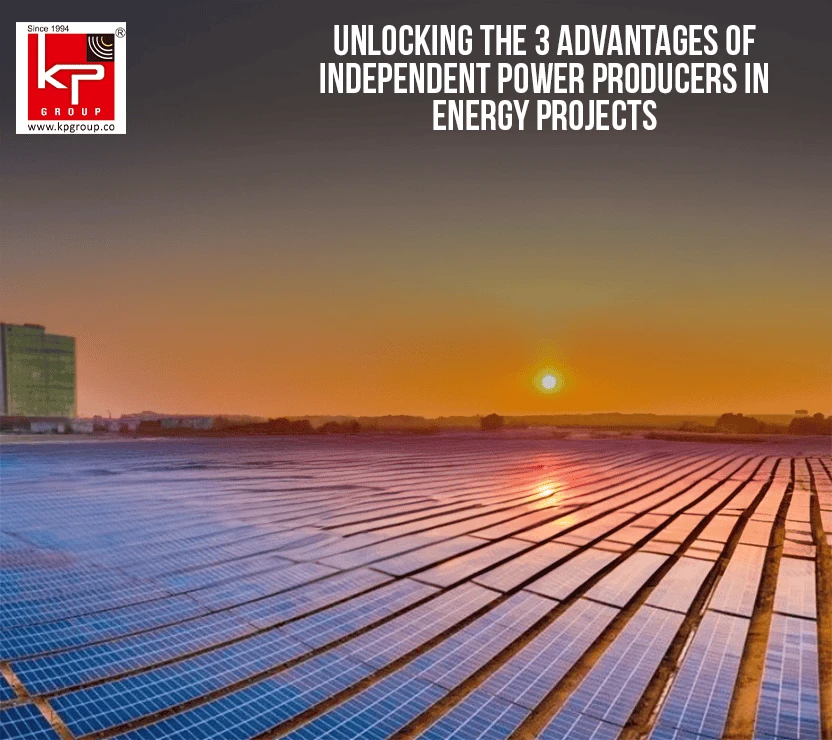
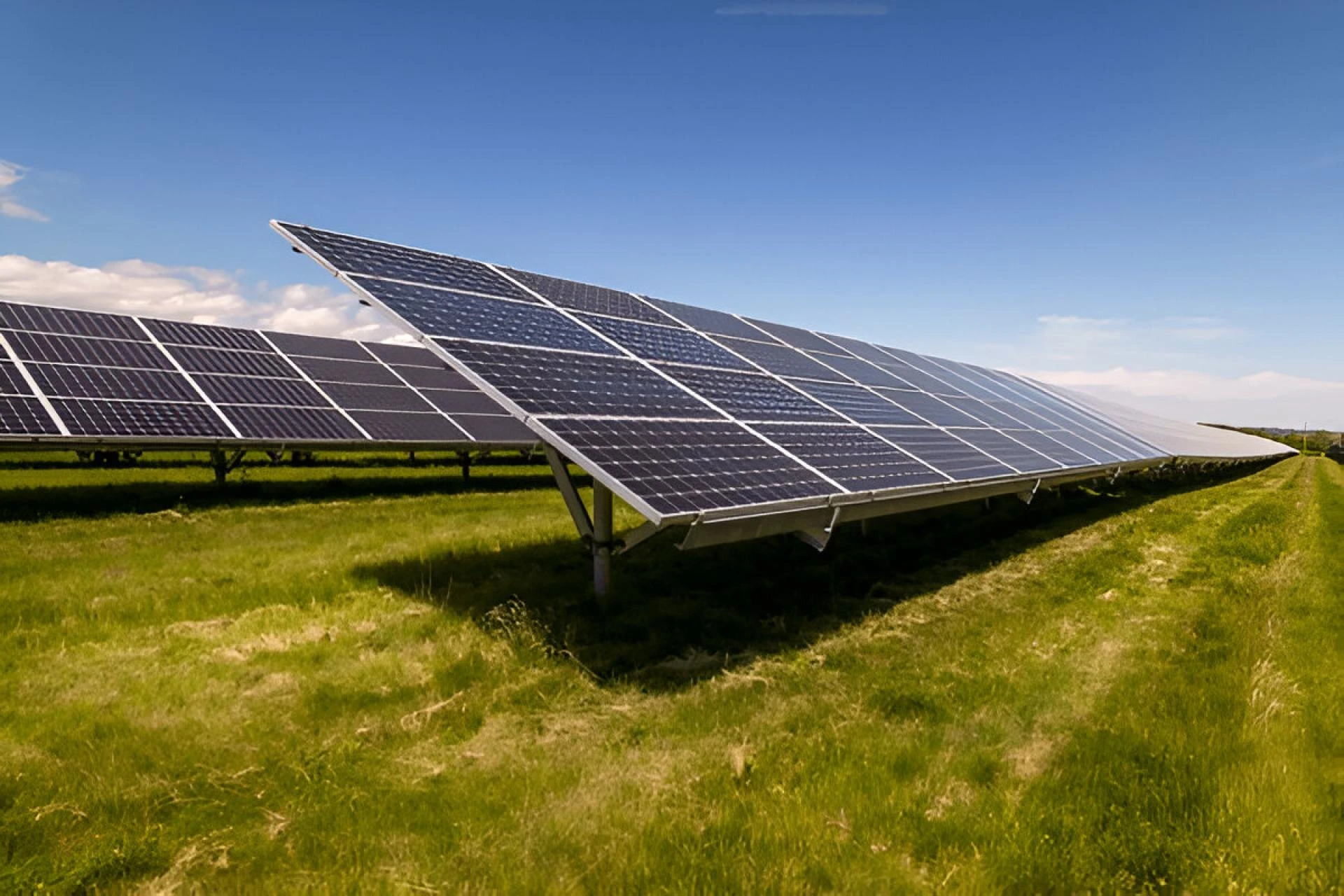
Several large solar parks were built by private developers, not government agencies. They took risks, relied on falling panel costs, and secured long-term purchase agreements.
A green energy project company doesn’t just build. It plans sites, handles land, arranges financing, and oversees engineering and construction. Without that level of involvement, many renewable projects would never leave the drawing board.
The Uneven Road
Growth has not been smooth. Land acquisition remains slow in several states. Transmission lines are often delayed. Distribution companies pay late, and that puts financial pressure on developers.
There is also a mismatch in working styles. Utilities prefer rigid contracts. Independent producers rely on flexible agreements. That difference creates friction.
Still, projects continue because the economics favor renewables. Solar costs are now among the lowest in the world. Wind in good locations competes with new coal plants. Battery costs are high but falling. Investors see more value in renewable projects than in new thermal plants.
Beyond Megawatts The Real Sustainability Question
More renewable power capacity is not the same as real sustainability. Integration with the grid, long-term financial health, and community impact matter just as much.
Independent power producers in India can test hybrid plants such as solar with storage or wind with solar on the same site. They can make direct supply deals with industries ready to pay for green power. Microgrids can serve remote areas where the national grid struggles.
But shortcuts are a risk. Some solar plants disturb local biodiversity. Some wind farms cut across bird migration routes. Sustainability goes beyond cutting carbon emissions. It requires balance, and experienced green energy project companies must set higher standards.
What the Future Might Look Like
India has set targets of 450 GW of renewable energy by 2030 and net zero by 2070. Public utilities cannot meet these alone. Independent developers will carry a large part of that load.
They also bring new supply models. Factories can source renewable energy directly from producers. Villages can run on local solar microgrids. Cities can use clean power backed by storage.
Not every project will succeed, but the willingness to test new models is an advantage. Independent producers accept more risk than state utilities and can try new approaches.
A Personal Take
Grand announcements in the energy sector come and go. I trust projects more than policies. A solar farm near Coimbatore or a wind project in Kutch shows results that targets on paper do not. Steel, wires, workers in the field, and electricity reaching homes and industries.
That is why I think independent power producers in India matter. They will not fix every issue in the power sector. Coal will not vanish soon. Distribution companies will still struggle. But these producers are making room for change.
Progress comes from many independent decisions. Each project, built by a green energy project company or a private developer, adds momentum. That steady work is what makes sustainable power possible in the long run.

























Sign in to leave a comment.