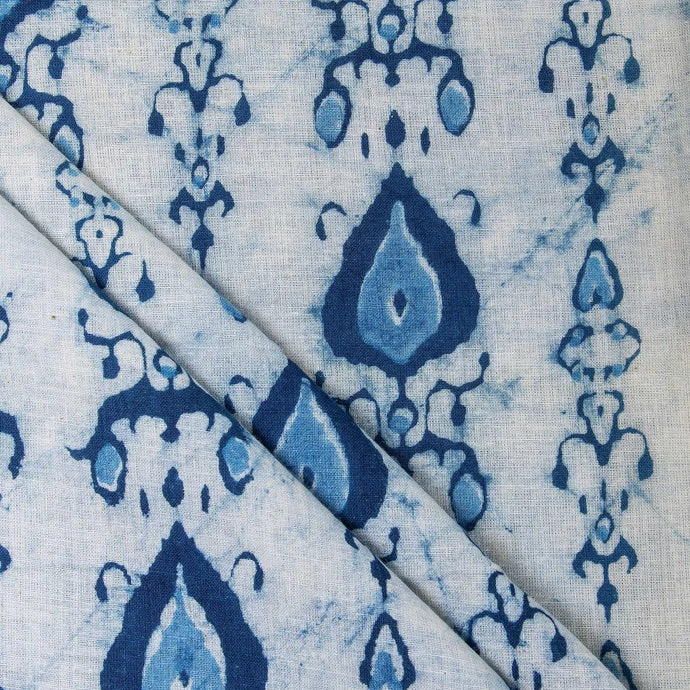

Indigo dyeing has been an essential part of textile traditions across the globe for centuries. Known for its deep blue hue, indigo is derived from the leaves of the indigofera plant and has been used in various cultures to create stunning patterns on fabric. Whether you’re a textile enthusiast, a fashion designer, or a DIY craftsperson, learning the art of indigo dyeing can elevate your creativity. In this blog, we will explore various Indigo Dyeing Techniques and how to create beautiful indigo prints on cotton and other fabrics.
The Art of Indigo Dyeing
Indigo dyeing is a resist-dyeing technique, meaning certain areas of the fabric are protected from the dye to create patterns. This age-old technique requires precision and an understanding of fabric treatment to achieve breathtaking results. Indigo’s natural chemistry involves oxidation, which turns the dye from green to its characteristic blue hue. This transformation is a mesmerizing process that has fascinated artisans for generations.
Indigo Dyeing Techniques
1. Dabu Printing
Dabu printing is a traditional Rajasthani block-printing method that involves using a mud-resist paste. This technique is extensively used in indigo fabric printing and results in unique, rustic patterns. Here’s how it works:
- A paste made from clay, lime, and gum is applied to the fabric using hand-carved wooden blocks.
- The fabric is dried and then dipped into an indigo dye bath.
- After drying, the resist paste is washed off, revealing intricate indigo patterns against the fabric’s original color.
This method creates timeless patterns that reflect India’s rich textile heritage.
2. Shibori (Japanese Tie-Dyeing)
Shibori is a Japanese indigo dyeing technique that involves folding, twisting, and binding fabric before dyeing. There are several types of Shibori, including:
- Arashi (Pole Wrapping) – Fabric is wrapped around a pole and scrunched down to create diagonal wave-like patterns.
- Itajime (Clamping) – Fabric is folded and sandwiched between wooden boards before dyeing, producing geometric patterns.
- Kanoko (Binding) – Fabric is tied tightly with threads at intervals to create circular resist patterns.
Shibori results in organic, fluid designs that are both modern and timeless.
3. Batik (Wax-Resist Dyeing)
Batik is a traditional dyeing method originating from Indonesia that involves wax as a resist medium. The process includes:
- Drawing or stamping melted wax onto the fabric.
- Immersing the fabric into an indigo dye bath.
- Removing the wax by boiling the fabric, revealing the white patterns left untouched by the dye.
Batik creates highly detailed, intricate patterns and is ideal for artistic and decorative textiles.
4. Block Printing with Indigo Dyeing & Printed Method
Block printing is one of the oldest textile printing methods, widely used in India. This technique involves:
- Carving intricate designs onto wooden blocks.
- Dipping the blocks into an indigo dye mixture and stamping them onto the fabric.
- Repeating the process to create continuous or elaborate motifs.
This method produces elegant, symmetrical designs that remain popular in contemporary fashion and home decor.
DMAASA: Your Go-To Destination for Premium Indigo Fabrics
When it comes to high-quality indigo fabrics, DMAASA stands out as a leading brand offering exquisite collections of naturally dyed textiles. Their expertise in Indigo Dyeing Techniques ensures that every piece showcases the perfect blend of tradition and innovation. Whether you’re looking for Dabu-printed fabrics, Shibori designs, or handcrafted block prints, DMAASA’s collection offers a diverse range to meet your creative needs. By choosing DMAASA, you invest in authenticity, sustainability, and craftsmanship that adds value to your designs.
How to Indigo Dye Cotton and Other Fabrics at Home
If you want to try your hand at indigo dyeing, follow these simple steps:
Materials Needed:
- Natural fabric (cotton, linen, or silk)
- Indigo dye kit
- Soda ash and reducing agents
- Large dyeing vat
- Wooden blocks, wax, or rubber bands (for resist patterns)
Step-by-Step Process:
- Prepare the Fabric – Wash and dry your fabric to remove any impurities.
- Create Resist Patterns – Apply any of the resist techniques like tying, blocking, or waxing.
- Prepare the Indigo Vat – Mix the indigo dye, reducing agent, and soda ash in a vat of water. Let it rest for an hour.
- Dye the Fabric – Submerge the fabric into the dye bath. Initially, it will appear green, but upon exposure to air, it will oxidize and turn blue.
- Repeat the Process – For a deeper shade, re-dip the fabric multiple times.
- Rinse and Dry – Rinse in cool water and dry in the shade to preserve the color.
Final Thoughts
Indigo dyeing is an ancient art form that continues to captivate textile lovers worldwide. Whether through Indigo Dyeing Techniques like Dabu, Shibori, Batik, or block printing, each method brings out unique beauty in fabrics. If you’re looking for premium-quality Indigo Dyeing & Printed Method fabrics, explore DMAASA’s exquisite collection and bring home timeless elegance.
Start your indigo journey today with DMAASA and transform simple fabrics into artistic masterpieces!




























Sign in to leave a comment.