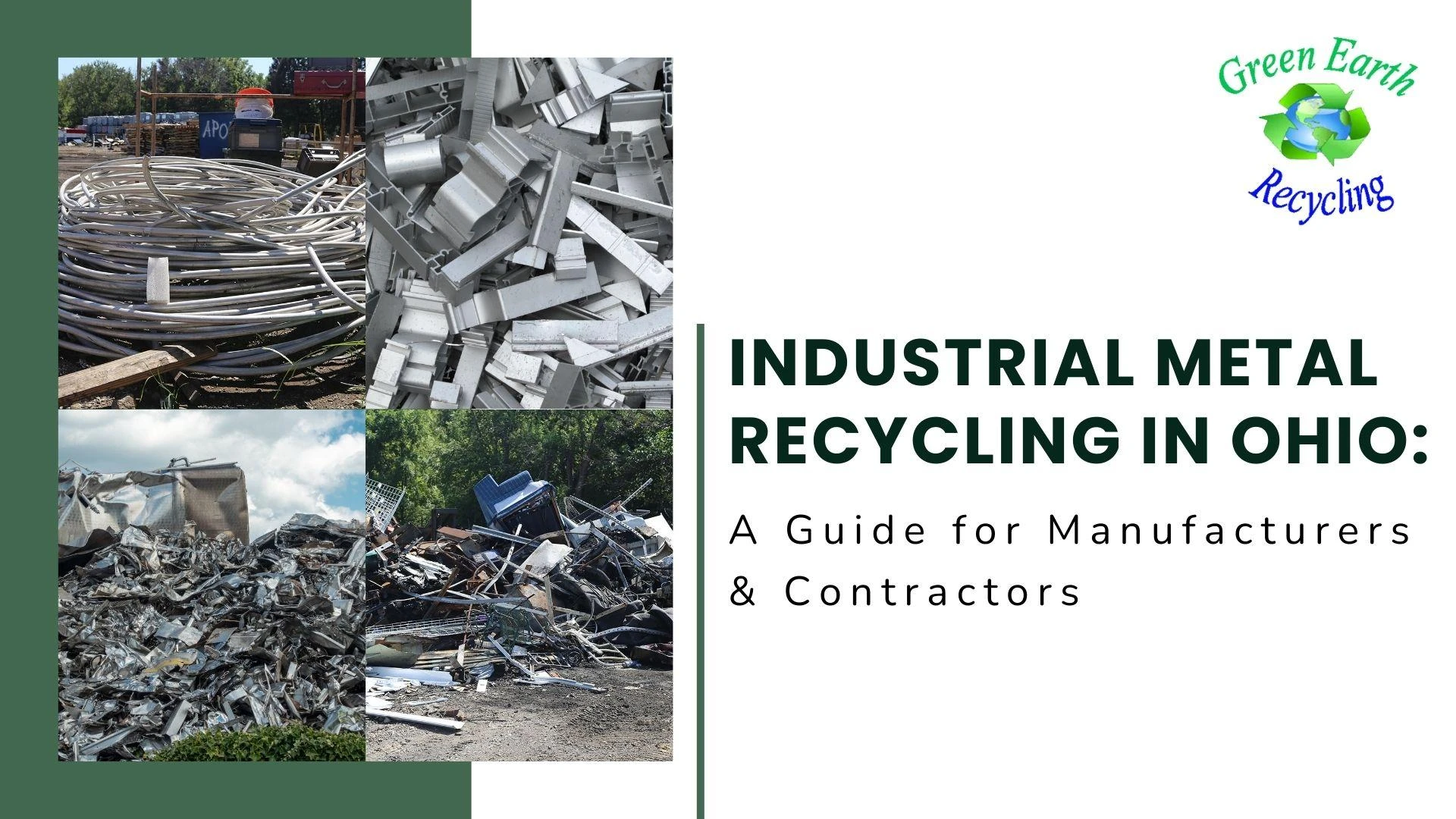

How do you deal with scrap without it slowing down production? What really happens after metal leaves a job site? And at what point does recycling stop feeling like extra work and start making financial sense?
Those are the questions many Ohio manufacturers and contractors are quietly wrestling with. Rising material prices, limited storage space, and stricter environmental expectations have pushed waste management into day-to-day operations. What used to be an afterthought now affects safety, cash flow, and scheduling.
Why Industrial Metal Recycling Deserves Attention
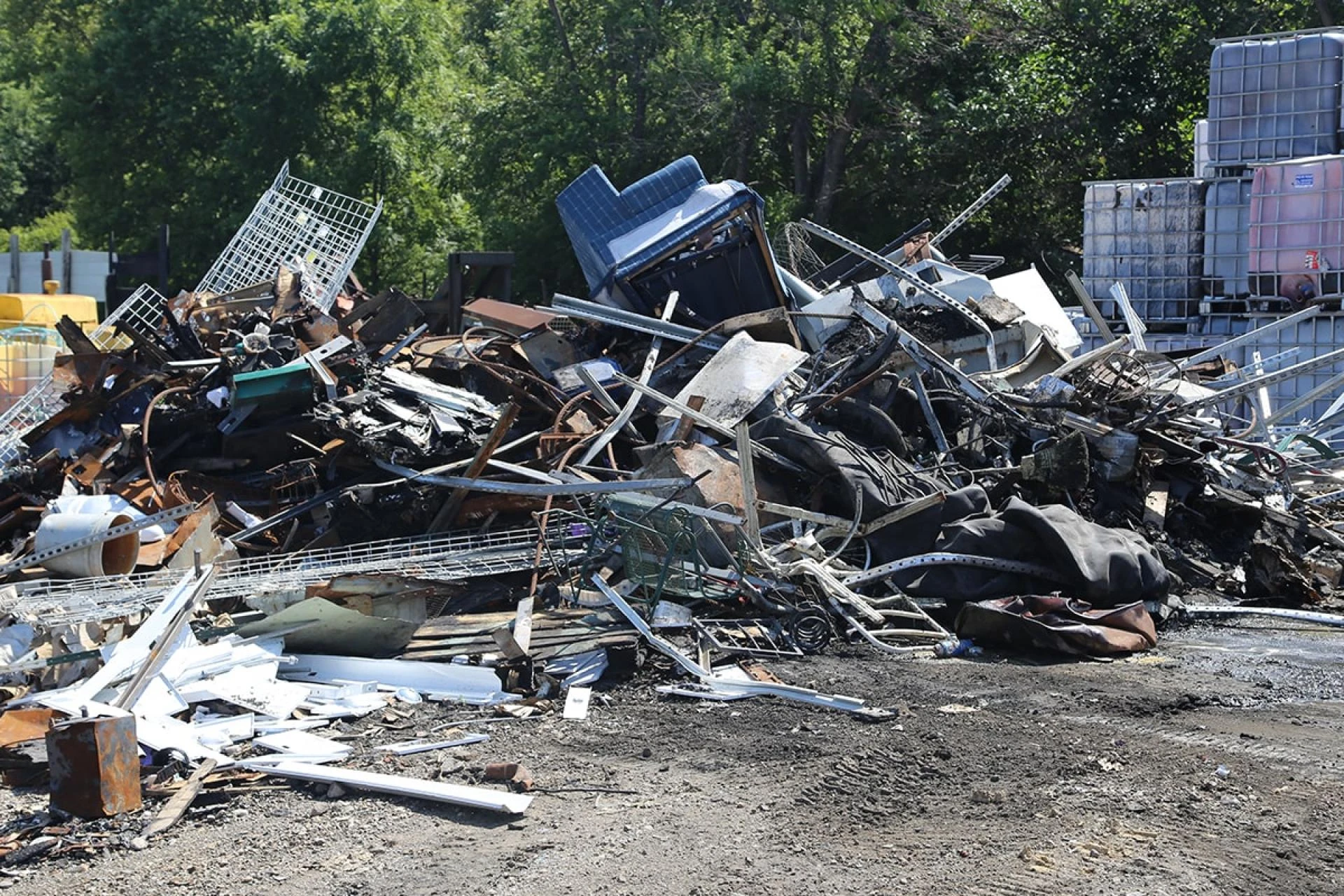
Metal waste has a way of hiding in plain sight. Offcuts get tossed aside. Old equipment sits behind the building. Demolition scrap piles up until someone finally calls for a haul-away. None of it feels urgent—until disposal costs spike or space runs out.
That’s where industrial metal recycling changes the equation. Instead of paying to get rid of material, businesses start recovering value from what they already have. The shift is less about sustainability messaging and more about control—over costs, space, and workflow.
Facilities that take recycling seriously often notice:
- Fewer landfill pickups and lower disposal fees
- Less money tied up in unnecessary raw material purchases
- Cleaner work areas with fewer safety issues
- Fewer compliance headaches during inspections
In shops handling ferrous metals like steel or non-ferrous metals such as aluminum and copper, the scrap sitting around is often worth more than expected. It just isn’t tracked.
The Reality of Scrap Inside Ohio Facilities
Where Most Scrap Actually Comes From
Across Ohio, scrap tends to show up in familiar ways:
- Fabrication and machining offcuts
- Retired machinery and worn components
- Tear-outs from renovations or expansions
- Broken pallets, bent racking, and damaged supports
Mixing everything together is common—and expensive. Proper alloy segregation (separating metals by type and composition) keeps material usable and prevents value loss.
What Happens When Sorting Improves
Example:A fabrication shop near Columbus made a simple change: they replaced one mixed dumpster with two labeled containers—steel and aluminum. No new machinery. No extra labor.
Within a few months, disposal costs dropped noticeably. Scrap pickups became predictable. The floor stayed clearer. The owner didn’t call it a “sustainability win.” He called it “less chaos.”
How Ohio Steel Recycling Fits Into Daily Operations
For companies dealing with beams, plate, or structural remnants, Ohio steel recycling isn’t optional—it’s operational. Steel can be recycled over and over without degrading, which makes it one of the easiest materials to manage when systems are in place.
Experienced processors handle:
- Shearing, which cuts oversized pieces down to transportable sizes
- Baling, which compacts scrap for efficient hauling
- Consistent grading, which affects pricing and reporting
The payoff is fewer surprise pickups and more predictable returns, without disrupting production schedules.
Finding the Right Recycling Partner in Columbus
Not every recycler is built for industrial work. A dependable recycling center in Columbus Ohio manufacturers rely on usually works behind the scenes, not at a retail counter.
Things that actually matter:
- Scheduled pickups that align with production cycles
- Accurate weight tracking and digital reports
- Documentation that stands up during audits
- Capacity to handle mixed or heavy industrial loads
Businesses that stick with established Columbus metal recycling partners tend to spend less time managing vendors and more time running their operations.
Don’t Ignore Pallets and Packaging Waste
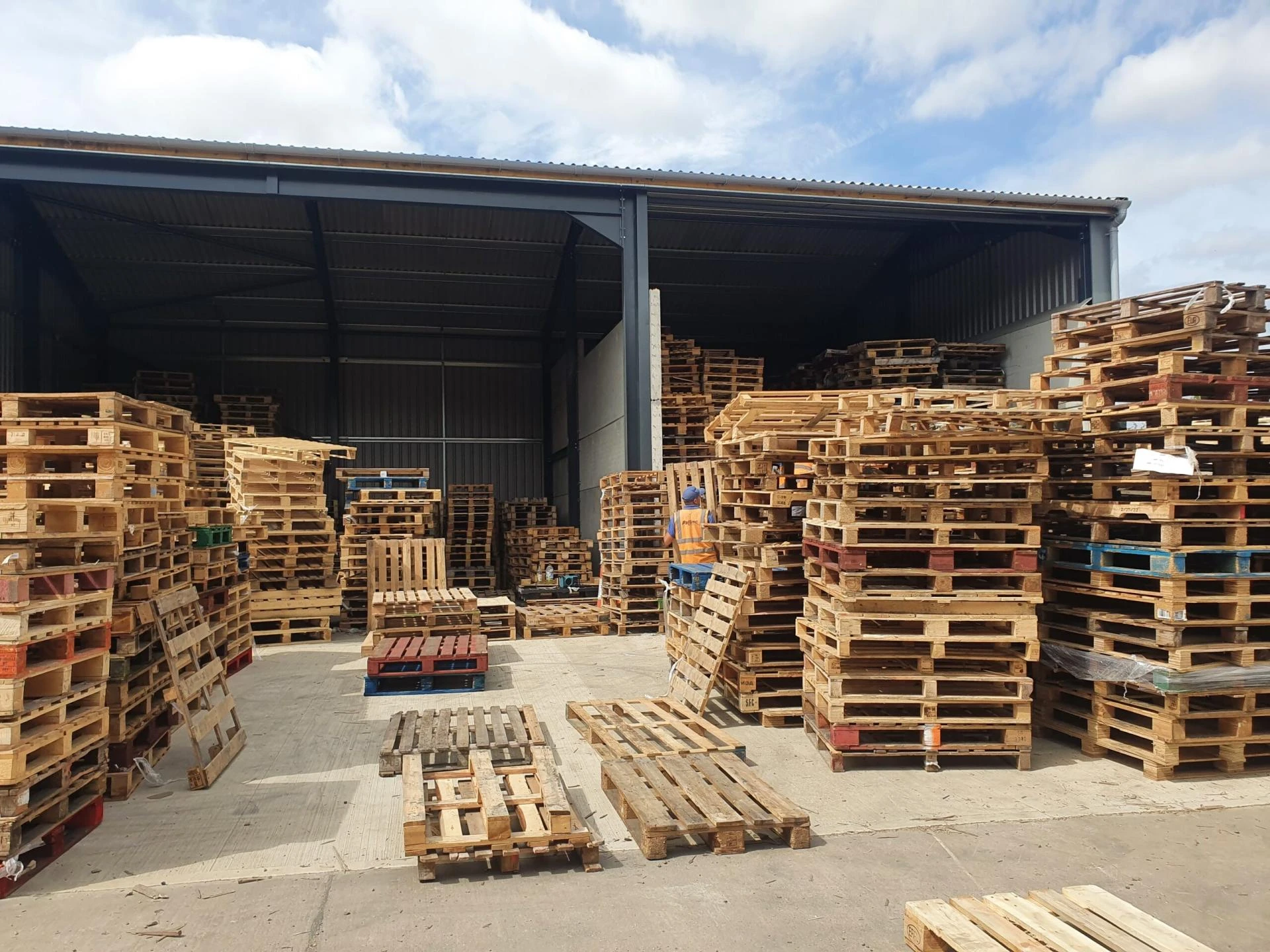
Metal usually gets the attention, but pallets quietly pile up. Broken ones become trip hazards. Stacked ones attract complaints.
Using services like pallet recycling Columbus Ohio keeps yards clear and reduces fire risk. For companies juggling multiple waste streams, a single business recycling service often simplifies billing, scheduling, and reporting.
Simple Habits That Make Recycling Work Long Term
You don’t need a perfect system. You need a consistent one.
- Show crews where each type of material goes with quick, practical instructions.
- Label containers clearly
- Schedule pickups based on volume, not guesswork
- Look at reports once a month and adjust
That’s usually enough to turn recycling into a routine instead of a chore.
FAQs
Q: How fast can recycling reduce costs?
A:Many businesses notice savings within a couple of months, mainly from fewer landfill hauls and recovered scrap value.
Q: Is this compliant with Ohio regulations?
A:Yes. Licensed recyclers provide tracking and documentation that supports compliance requirements.
Q: Does this make sense for small contractors?
A:It does. Cleaner sites, fewer hazards, and predictable pickups matter at every scale.
Q: Do we need special equipment?
A:Usually not. Containers, hauling, and processing are handled by the recycler.
Wrapping Up
Industrial recycling isn’t about image. It’s about order. It’s about knowing where your material goes, what it costs you, and what it gives back.
If scrap metal, broken pallets, or unused equipment keep stacking up, start by paying attention to what’s being thrown away. Most businesses are surprised by what they find.
The right recycling partner like Green Earth Recycling won’t complicate your operation. Done right, it quietly makes everything run better.














Sign in to leave a comment.