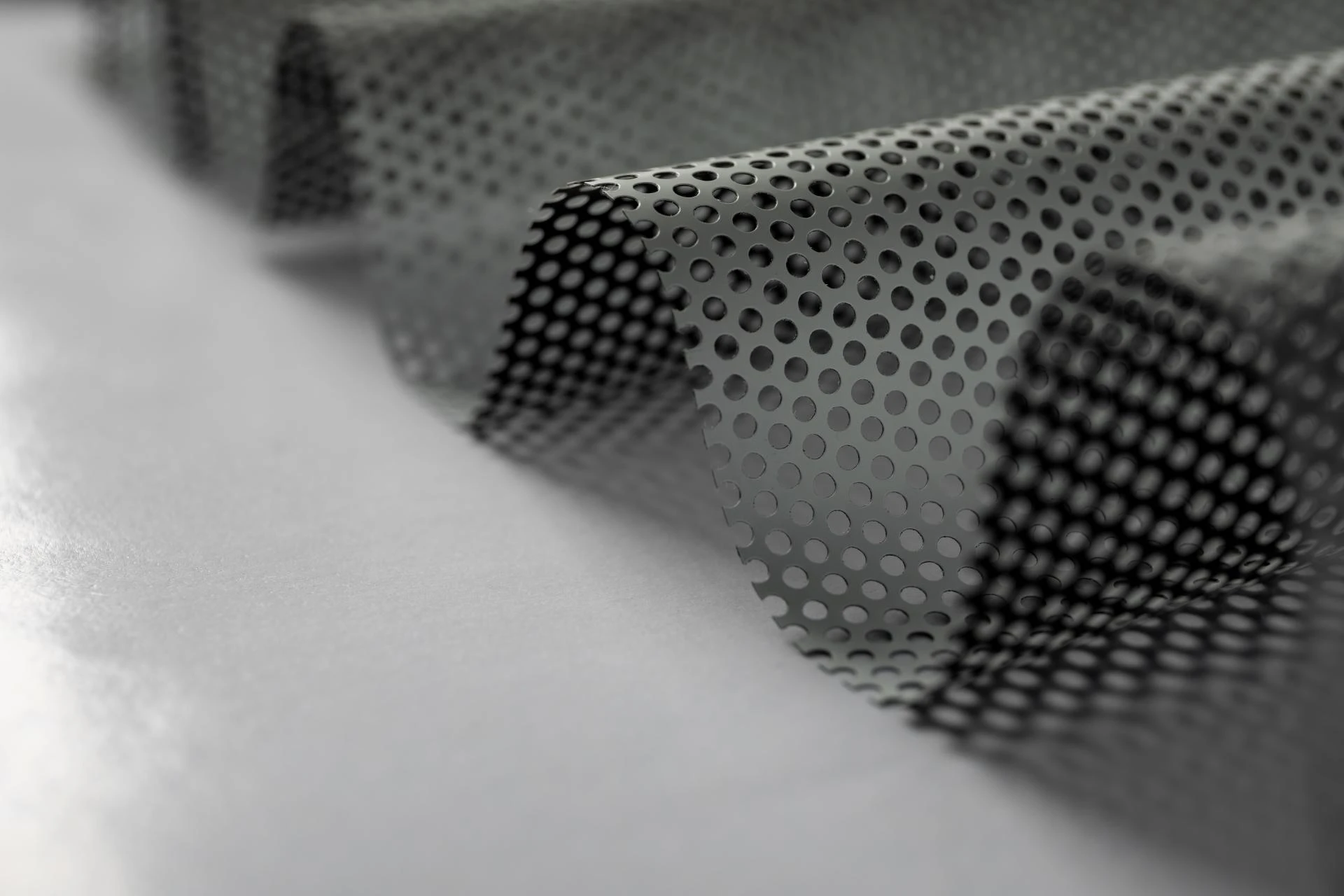

Carbon composite manufacturing has emerged as a cornerstone for industries seeking materials that combine unmatched strength, light weight, and exceptional durability. Companies like Rockman Advanced Composites are leading the charge, pioneering techniques that elevate the performance of these high-tech materials across sectors such as aerospace, automotive, renewable energy, and defense. The evolution of carbon composites has not only transformed product design but has also enabled manufacturers to achieve efficiency and precision previously thought impossible.
The push for lightweight yet strong materials has fueled a surge in carbon composite adoption. Traditional metals, while reliable, often come with limitations such as higher weight and susceptibility to corrosion. Carbon composites overcome these challenges, providing superior tensile strength and resilience while reducing the overall weight of components. This shift has created a ripple effect across industries. Aerospace engineers, for instance, can now design aircraft structures that improve fuel efficiency without compromising safety. Automotive manufacturers leverage carbon composites to enhance vehicle performance and achieve stringent emission standards through weight reduction.
Advanced manufacturing techniques are central to the ongoing revolution in carbon composite manufacturing. Automated fiber placement (AFP) and resin transfer molding (RTM) have redefined production capabilities, offering precision and scalability. AFP allows for the accurate layering of carbon fibers in complex geometries, ensuring consistent material properties and reducing waste. RTM, on the other hand, facilitates the infusion of resin into fiber preforms within closed molds, resulting in high-strength, defect-free components ideal for high-load applications. Rockman Advanced Composites integrates these methods seamlessly, optimizing both the efficiency and quality of manufactured parts.
Material innovation extends beyond process improvements. New generations of carbon fibers, coupled with advanced resin systems, are enhancing mechanical performance and thermal stability. These developments have unlocked possibilities for extreme operating environments, such as high-speed aerospace applications or harsh industrial settings. Hybrid composites, which combine carbon fibers with other reinforcing materials like Kevlar or glass fibers, are gaining attention for their ability to fine-tune mechanical properties while controlling costs. This approach allows engineers to tailor components to specific performance requirements without compromising on durability or weight.
Sustainability is emerging as a defining trend in carbon composite manufacturing. While traditional carbon fiber production is energy-intensive, industry leaders are exploring more environmentally friendly alternatives. Recycling methods, such as reclaiming fibers from end-of-life components or utilizing bio-based resins, are gaining traction. Companies committed to sustainability, including Rockman Advanced Composites, are investing in research that minimizes the environmental footprint of production while maintaining the superior performance of carbon composites. Such initiatives address regulatory pressures and consumer demand for eco-conscious products, ensuring long-term viability of high-performance materials in multiple sectors.
Digital integration is revolutionizing every stage of carbon composite manufacturing. Advanced simulation software allows engineers to predict material behavior under diverse loading conditions, reducing the need for costly physical prototyping. Digital twins, a concept borrowed from Industry 4.0, enable real-time monitoring of production processes and component performance. By combining sensor data, machine learning, and predictive analytics, manufacturers can optimize production parameters, detect defects early, and enhance the reliability of final products. Rockman Advanced Composites leverages these technologies to maintain precise control over quality, ensuring that each component meets rigorous industrial standards.
The rise of additive manufacturing in the carbon composites sector is another trend shaping the future. 3D printing of carbon-reinforced polymers allows for intricate geometries that are difficult or impossible to achieve with traditional methods. This capability is particularly valuable in aerospace and defense, where lightweight, complex parts can provide a competitive advantage. Additive techniques also enable rapid prototyping and customization, shortening product development cycles and facilitating iterative design improvements. Integrating additive manufacturing with conventional methods offers a hybrid approach, combining structural integrity with design flexibility.
Collaborative innovation is redefining the landscape of carbon composite manufacturing. Partnerships between manufacturers, material scientists, and technology providers accelerate breakthroughs in both process efficiency and material performance. Research consortia focus on developing high-strength fibers, low-viscosity resins, and novel curing techniques. Industry-specific collaborations, such as those in automotive and renewable energy sectors, help align material capabilities with emerging design and performance requirements. Rockman Advanced Composites thrives on such partnerships, ensuring that its solutions remain at the forefront of industrial demands.
Cost efficiency remains a crucial consideration as industries scale carbon composite production. While the benefits of these materials are clear, high production costs have historically limited widespread adoption. Innovations in automated manufacturing, optimized fiber layouts, and modular tooling are helping to reduce expenses without compromising quality. Lean production strategies and process standardization further enhance throughput, making carbon composites more accessible across a range of applications. Strategic investment in these areas ensures that high-performance materials remain competitive against conventional alternatives.
The integration of carbon composites into mainstream industries signals a transformation in design philosophy. Engineers are no longer constrained by traditional material limitations; instead, they can explore lightweight, durable, and high-performance solutions that unlock efficiency and functionality. The aerospace sector benefits from lighter, stronger airframes, the automotive industry achieves higher fuel efficiency and performance, and renewable energy systems see enhanced durability in wind turbine blades and other critical components. Rockman Advanced Composites continues to set benchmarks in this space, helping clients push the boundaries of material science and manufacturing capabilities.
In conclusion, carbon composite manufacturing is experiencing a period of rapid innovation and adaptation, driven by the need for stronger, lighter, and more efficient materials. Advanced processes, material improvements, digital integration, sustainability initiatives, and additive manufacturing are shaping a dynamic landscape that empowers industries to achieve unprecedented performance levels. Companies like Rockman Advanced Composites are not only responding to these trends but actively defining them, delivering high-quality solutions that meet the evolving needs of modern industries. As applications expand and technology progresses, carbon composites are poised to remain a cornerstone of industrial innovation, unlocking possibilities that were once considered unattainable.




























Sign in to leave a comment.