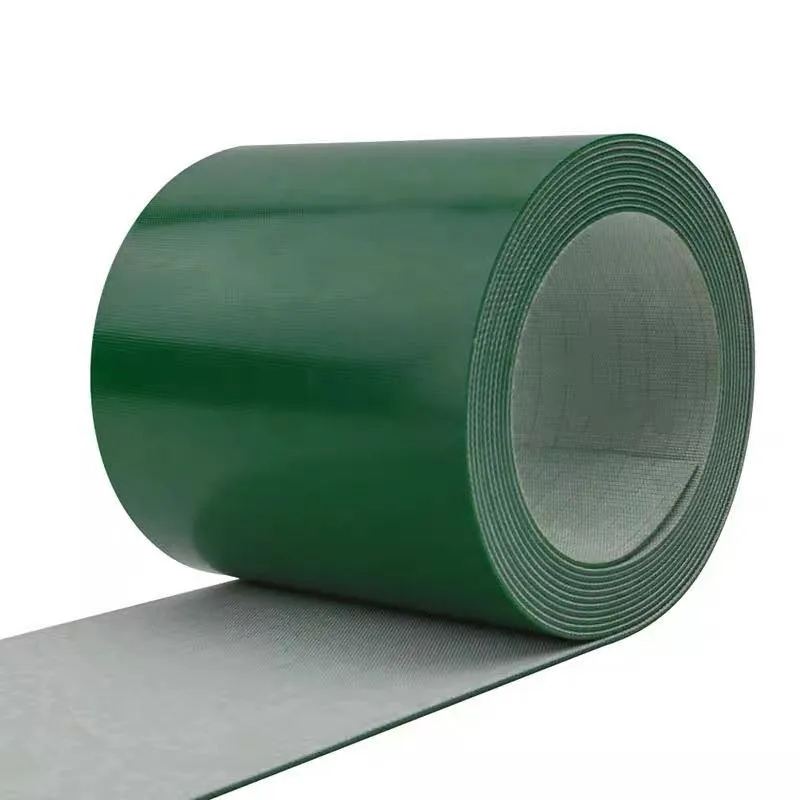

In the fast-paced world of modern industry, efficiency, precision, and reliability form the cornerstone of successful operations. High-performance components that underpin machinery play a crucial role in meeting these demands, and among these, the Industrial Timing Belt stands out as a vital element that enables synchronized motion and smooth power transmission. As industries evolve with advancing technologies, so too do timing belts, experiencing groundbreaking innovations that enhance their capabilities while addressing emerging industrial challenges.
At Shanghai Puteken Transmission System Co., Ltd., we recognize the transformative impact that these innovations have on optimizing machinery performance, reducing downtime, and extending equipment lifespan. In this comprehensive guide, we explore the latest advances in industrial timing belt technology, providing insights into what manufacturers and users need to know to stay competitive and leverage these advancements.
Understanding the Role of Industrial Timing Belts
Before delving into innovations, it is important to understand what an industrial timing belt is and why it is essential. Unlike traditional belts that rely on friction, timing belts engage teeth with pulleys, ensuring synchronous rotation without slippage. This precise control is critical for machines that demand exact timing, such as conveyors, automotive engines, printing presses, and robotics.
These belts are typically made from durable elastomer materials reinforced with fibers or cords to increase tensile strength and flexibility. Their design and material composition determine the belt’s ability to operate under varying loads, speeds, and environmental conditions.
Key Innovations in Industrial Timing Belt Technology:
Transitioning from foundational knowledge, significant technical progress has shaped the current landscape of timing belts. Leading manufacturers, including Shanghai Puteken, have integrated emerging materials, manufacturing processes, and design enhancements to overcome traditional limitations. Some cutting-edge innovations include:
1. Advanced Materials and Compositions
Utilization of reinforced polymer composites, heat-resistant elastomers, and low-friction coatings has improved torque capacity, temperature tolerance, and wear resistance.
2. Improved Tooth Profile Designs
Optimized tooth shapes and pitch modifications reduce noise, vibration, and backlash, delivering quieter and smoother operation.
3. Enhanced Reinforcement Technologies
The use of high-strength aramid and carbon fiber cords enhances tensile strength while maintaining flexibility.
4. Customized Belt Solutions
Modular belt designs, specialized coatings, and bespoke cord arrangements tailor belts for specific industrial needs.
5. Integration with Industry 4.0 and Smart Monitoring
Embedding sensors and IoT capabilities enables real-time health monitoring of belts, predictive maintenance, and data-driven operational decisions.
Benefits of Adopting Advanced Industrial Timing Belts
Implementing these innovative belts translates directly into tangible industrial advantages, including:
- Higher Load Capacity: Supporting greater power transmission rates without failure.
- Increased Longevity: Reduced wear and fatigue extend belt life, lowering replacement frequency.
- Operational Stability: Reduced slippage and improved synchronization enhance machine precision.
- Energy Efficiency: Lower friction and optimized engagement reduce energy losses.
- Downtime Reduction: Smart monitoring anticipates maintenance needs, minimizing unexpected stoppages.
Industrial Applications Benefiting from These Innovations
Across sectors, these advancements are transforming workflows:
- Automotive Manufacturing: Precision timing in engine and assembly line operations.
- Packaging and Printing: High-speed, noise-sensitive conveyor systems.
- Robotics and Automation: Synchronizing multi-axis movement with reliability.
- Textile Industry: Managing variable tension in fabric handling machines.
- Aerospace: Demanding operational consistency at varying temperatures and conditions.
Shanghai Puteken Transmission System Co., Ltd: A Leader in Timing Belt Innovation
At Shanghai Puteken Transmission System Co., Ltd, our commitment to innovation is central to our product development philosophy.
We offer a wide range of industrial timing belts engineered to incorporate the latest technological breakthroughs, ensuring our clients’ machinery performs at peak efficiency and durability.
Our expert team collaborates closely with customers to customize timing belt solutions that meet exacting specifications while delivering proactive service and support.
What does this guide cover?
This article will provide:
- Detailed overview of evolving materials and engineering in timing belts
- Comparative insights into traditional versus modern belt technologies
- Step-by-step guidance on selecting the right timing belt for your application
- Case studies highlighting efficiency gains through the adoption of new belts
- Maintenance and troubleshooting best practices for advanced belts
Conclusion
The continuous evolution of industrial timing belt technology offers unprecedented opportunities for manufacturers to enhance operational precision, reduce energy costs, and improve machine uptime. Selecting belts engineered with the latest materials, designs, and monitoring capabilities is a strategic investment that positions your business for future growth.
At Shanghai Puteken Transmission System Co., Ltd, we are proud to provide cutting-edge timing belt solutions combined with expert support, helping your operations stay ahead in a competitive industrial landscape.
Frequently Asked Questions (FAQ)
Q1: What materials are most commonly used in advanced industrial timing belts?
Common materials include neoprene, polyurethane, reinforced with aramid, fiberglass, or carbon fiber cords for strength.
Q2: How do new tooth designs improve timing belt performance?
Redesigned profiles reduce vibration and noise and improve belt-to-pulley engagement precision.
Q3: Can industrial timing belts be customized for unique applications?
Yes, manufacturers offer custom lengths, pitches, tooth shapes, and cord types to suit specific machinery needs.
Q4: What are the advantages of smart timing belts with IoT sensors?
They enable real-time monitoring, predictive maintenance, and the prevention of unexpected failures, reducing downtime.
Q5: How critical is proper maintenance for industrial timing belts?
Essential; regular inspection, tension adjustment, and lubrication (if applicable) significantly extend belt life.
Q6: Are newer timing belts compatible with older machinery?
Often yes, though clients should consult manufacturers to ensure proper fit and performance parameters.
Q7: What industries benefit most from these new timing belt innovations?
Automotive, robotics, manufacturing, packaging, textiles, aerospace, and many other high-precision sectors.























Sign in to leave a comment.