
Installing an Electric Vehicle (EV) Charging Station: A Guide
The transition to electric vehicles (EVs) is gaining momentum as more people embrace cleaner and more sustainable transportation options. If you've recently purchased an electric car or are considering doing so, one of the essential aspects to consider is EV charging station installation. Here's a comprehensive guide to help you navigate the process:
1. Assess Your Needs:
Determine the type of electric car you have and its charging requirements. Some EVs can charge using a standard 120-volt household outlet, while others require a 240-volt Level 2 charger for faster charging.
Consider your daily driving habits and how far you typically travel. This will help you determine the charging speed and range you need.
2. Choose the Right Charging Station:
Select a charging station that suits your EV's requirements. Key factors to consider include the charging speed, connector type (e.g., J1772 for Level 2 charging), and any additional features you desire (e.g., Wi-Fi connectivity, smartphone apps for monitoring charging status).
3. Determine Installation Location:
Decide where you want to install the charging station. Common locations include your garage, carport, or an outdoor space.
Ensure that the installation location has adequate electrical access and space for the charger.
4. Evaluate Electrical Capacity:
Check your home's electrical system to ensure it can support the charging station. You may need to consult an electrician for an assessment.
A Level 2 charger typically requires a dedicated 240-volt circuit with sufficient amperage capacity. Your electrical panel may need upgrading to accommodate this.
5. Hire a Licensed Electrician:
It's essential to hire a licensed and experienced electrician for the installation. They will ensure the electrical work complies with local building codes and safety standards.
Obtain multiple quotes from electricians to compare costs and services.
6. Obtain Necessary Permits:
Contact your local building department to inquire about permits required for the installation. Permit requirements vary by location.
Your electrician can assist in obtaining the necessary permits and ensuring compliance with local regulations.
7. Installation Process:
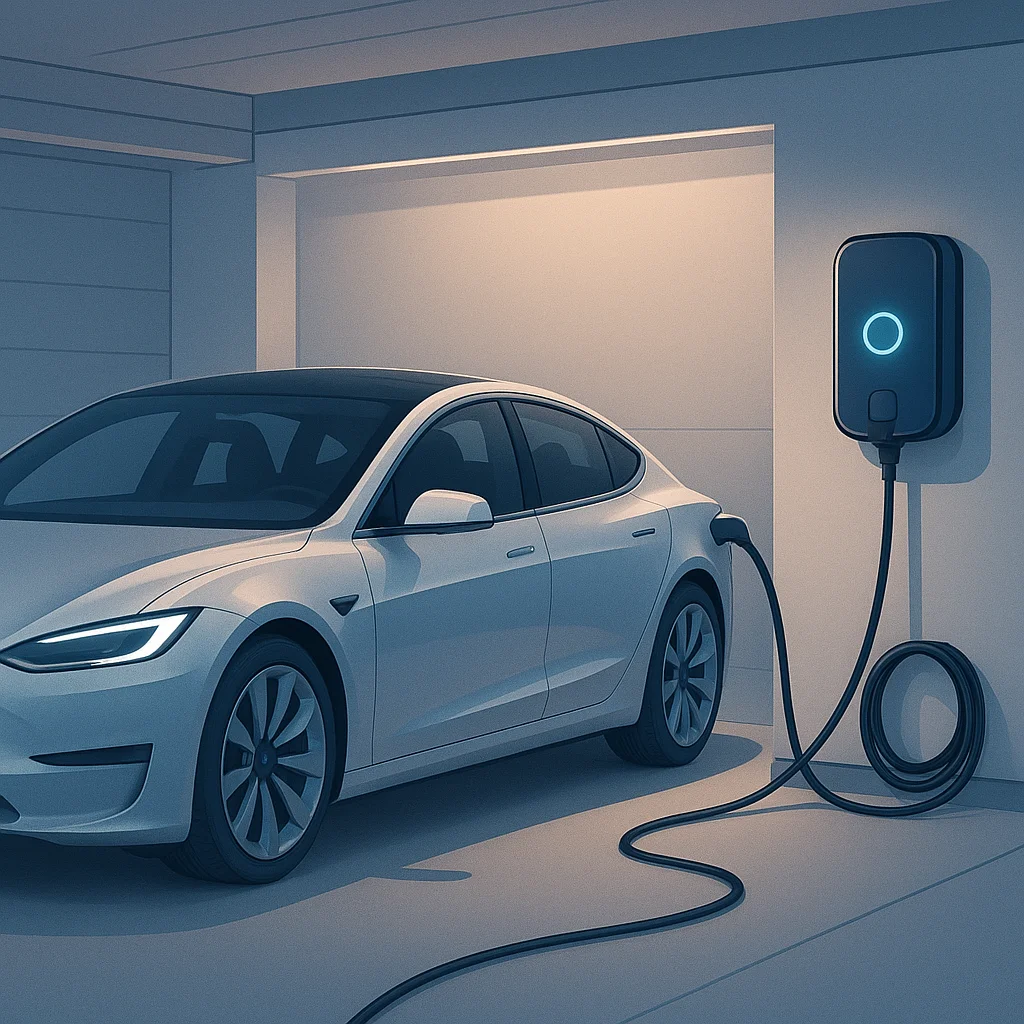
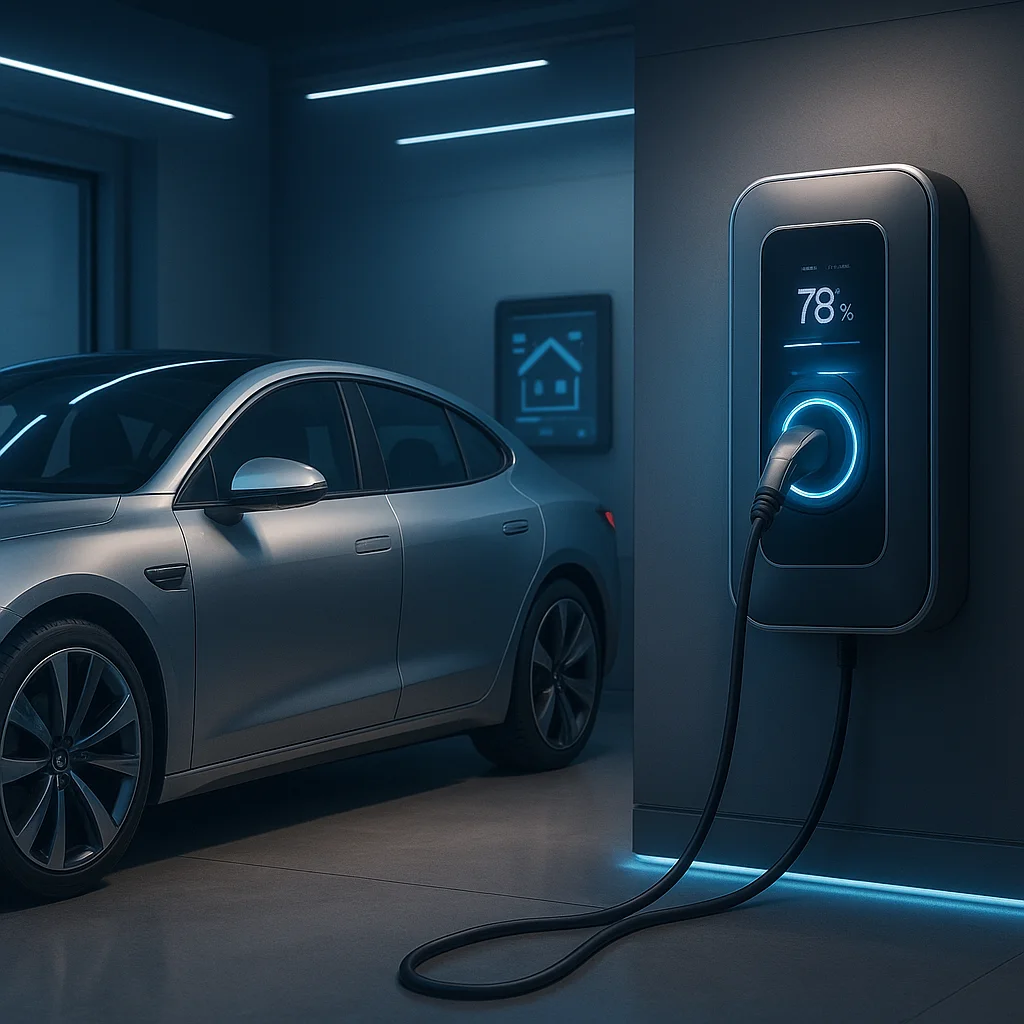
The electrician will install the charging station, including mounting it on the wall or a charging pedestal, running electrical conduit, and wiring it to the electrical panel.
Proper grounding and safety measures will be taken to ensure a safe installation.
8. Inspection and Testing:
After installation, a local inspector may need to review and approve the work to ensure it meets electrical code requirements.
The electrician will conduct tests to ensure the charging station functions correctly and safely.
9. Maintenance and Monitoring:
Regularly inspect and maintain your EV charging station to ensure it continues to operate optimally.
Many charging stations come with online monitoring capabilities, allowing you to track usage and remotely manage charging sessions.
10. Cost Considerations:
- The cost of EV charging station installation can vary widely based on factors such as the charger's brand, installation complexity, and electrical panel upgrades.
- You may be eligible for local incentives, rebates, or tax credits that can offset installation costs.
Installing an EV charging station at home can provide convenience, save you time and money compared to public charging stations, and contribute to a more sustainable transportation future. Ensure you plan carefully, consult professionals, and adhere to local regulations for a seamless installation process. With a properly installed charging station, you'll be well on your way to enjoying the benefits of electric vehicle ownership.






















Sign in to leave a comment.