
In today’s digital world, access to vehicle information has become easier than ever. Whether you are buying a used car, selling your own vehicle, or simply want to understand more about your car’s history, performing a car detail check is an essential step. With just a registration number, you can now check car details online and uncover important data that helps you make smarter, safer decisions.
This article explains what a car details check is, why it matters, what information it includes, and how to use it responsibly—without hype, sales pressure, or unnecessary technical jargon.
What Is a Car Detail Check?
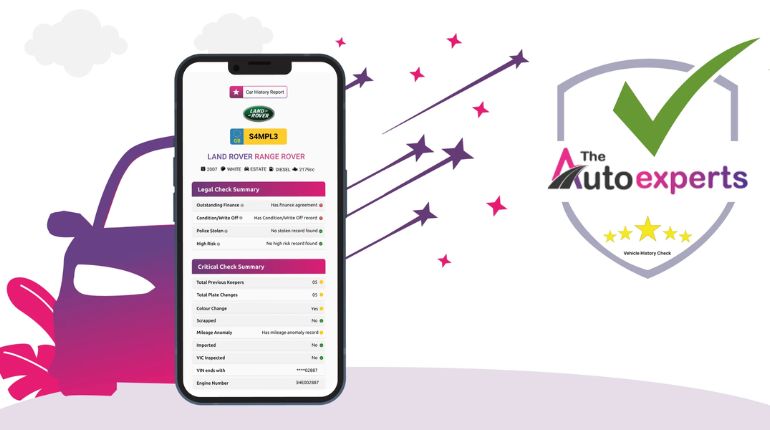
A car details check is the process of retrieving official and historical information about a vehicle using its registration number (number plate). This data is typically sourced from government databases, insurers, finance companies, and MOT records.
When people search online for terms like “check my car details” or “car detail check”, they are usually looking for answers to practical questions such as:
- Is the car legally registered?
- Does it have outstanding finance?
- Has it been written off or stolen?
- Is the mileage genuine?
- When is the next MOT due?
A proper car detail check helps answer these questions clearly and objectively.
Why Checking Car Details Is Important
1. Avoid Costly Mistakes When Buying Used Cars
Buying a used car always carries some risk. A vehicle may look perfect on the outside, but hidden issues can cost thousands later. A car detail check reduces uncertainty by revealing red flags early.
For example:
- An outstanding finance agreement could legally belong to a lender.
- A previous insurance write-off may reduce safety and resale value.
- Incorrect mileage readings can indicate tampering.
2. Protect Yourself from Fraud
Vehicle-related fraud is more common than many people realize. Cloned plates, stolen vehicles, and falsified service histories are ongoing problems. When you check car details, you can confirm whether the registration, VIN, and reported history align correctly.
3. Understand Your Own Vehicle Better
Many owners search “check my car details” simply to learn more about their own vehicle. This can be useful for:
- Renewing insurance
- Selling the car privately
- Checking tax or MOT status
- Keeping personal records accurate
What Information Is Included in a Car Details Check?
A comprehensive car detail check usually includes several categories of information. While availability can vary, the most common data points are outlined below.
Vehicle Identity Information
This confirms the car’s basic identity:
- Registration number
- Make and model
- Engine size and fuel type
- Colour
- Year of manufacture
This ensures the vehicle matches the seller’s description.
MOT History and Roadworthiness
One of the most valuable parts of a car details check is access to MOT records. These show:
- Previous MOT test results
- Advisory notes
- Mileage readings at each test
- Pass and fail history
Patterns in MOT advisories can highlight recurring mechanical problems.
Mileage Verification
Mileage discrepancies are a major warning sign. A car detail check compares mileage records from:
- MOT tests
- Insurance records
- Previous ownership data
While not every mismatch means fraud, consistent inconsistencies should raise concern.
Outstanding Finance Check
A car can still legally belong to a finance company even if it’s being sold privately. If you buy such a vehicle, the lender may have the right to repossess it. A check car details search can reveal:
- Hire purchase agreements
- PCP or lease contracts
- Logbook loans
This is one of the most critical checks before purchase.
Insurance Write-Off Records
Cars that have been damaged in accidents may be recorded as insurance write-offs. These fall into categories (such as structural or non-structural damage). A car details check can show whether a vehicle:
- Was previously written off
- Has been repaired and returned to the road
- May have reduced resale value
Theft Records
Stolen vehicle data is shared with national databases. Checking this protects you from unknowingly purchasing a stolen car, which could later be seized by authorities.
How to Check Car Details Online
Thanks to digital records, you can now check car details online in minutes. The general process is simple:
- Locate the vehicle registration number.
- Enter it into a car detail check service.
- Review the available results carefully.
- Compare findings with the seller’s claims.
No technical expertise is required, but attention to detail is essential.
Free vs Paid Car Detail Checks
Free Checks
Free tools often provide:
- Basic vehicle specs
- MOT status and expiry date
- Tax status
They are useful for quick checks but usually limited in depth.
Paid Checks
More detailed reports may include:
- Finance records
- Insurance write-offs
- Theft status
- Full mileage analysis
Choosing between free and paid checks depends on the level of risk involved, especially when buying a vehicle.
When Should You Perform a Car Detail Check?
Before Buying a Used Car
This is the most common and important time to check car details. Ideally, do it before viewing the vehicle in person.
Before Selling Your Vehicle
Knowing your car’s history allows you to answer buyer questions confidently and price the vehicle realistically.
After Buying a Car
Some owners run a car detail check post-purchase to ensure records are correct and complete.
Common Myths About Car Detail Checks
“If the Car Looks Fine, It Must Be Fine”
Visual inspection alone cannot reveal finance agreements, theft records, or historical damage.
“Dealers Always Provide Accurate Information”
While many dealers are honest, errors and omissions can happen. Independent checks add an extra layer of certainty.
“Older Cars Don’t Need Checking”
Older vehicles can still have hidden finance, incorrect mileage, or unresolved issues.
How to Read a Car Details Report Properly
A car details check is only useful if interpreted correctly. Here are a few tips:
- Look for patterns, not isolated entries.
- Compare mileage across years.
- Pay attention to repeated MOT advisories.
- Don’t ignore “minor” finance or write-off notes.
If something doesn’t add up, ask questions or walk away.
The Role of Car Detail Checks in Smarter Ownership
Beyond buying and selling, car detail checks contribute to responsible vehicle ownership. They help drivers:
- Stay compliant with legal requirements
- Track maintenance history
- Plan repairs proactively
- Maintain accurate documentation
In a data-driven world, informed decisions are safer decisions.
Final Thoughts

A car detail check is no longer a luxury—it’s a practical necessity. Whether you want to check my car details, verify a used vehicle before purchase, or simply understand a car’s background, accessing accurate information empowers better choices.
By taking a few minutes to check car details, you reduce risk, avoid surprises, and gain peace of mind. In an era where vehicle data is readily available, there’s little reason not to use it wisely.




























Sign in to leave a comment.