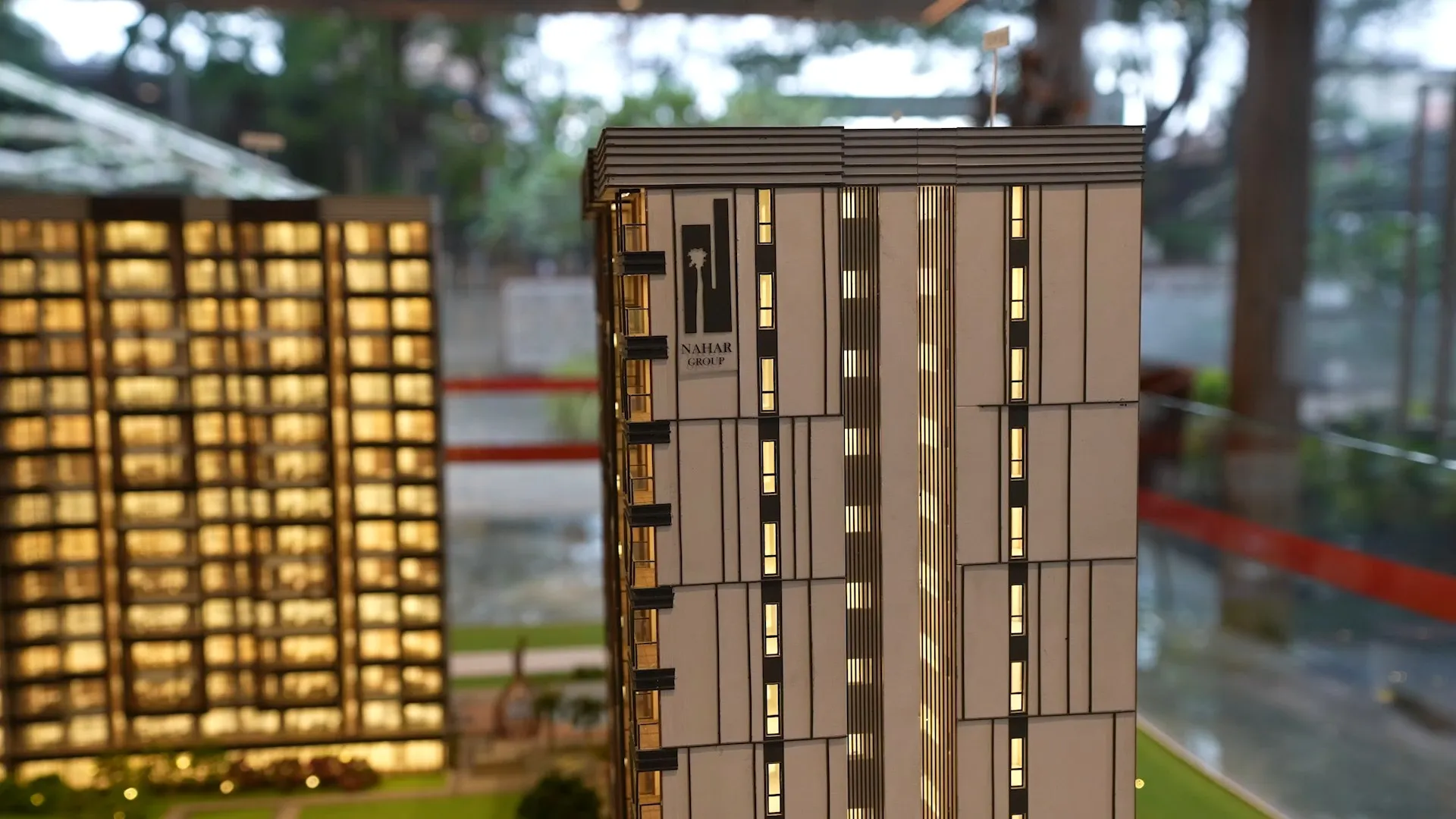

The Three Questions Every Buyer Has — Before They Ask Them
Walk into any real estate sales office in India and watch what happens in the first twenty minutes. Nearly every conversation, regardless of project or price point, circles around three fundamental questions.
Where exactly is this, and what's around it? What does the project actually look and feel like? And what am I getting beyond the flat itself?
Location. Project character. Amenities. These are the three things every buyer needs to understand before their mind begins to make peace with committing. Yet in most sales offices, answering these requires sitting through a slide presentation, interpreting a site plan, and trusting the salesperson's word about what the neighbourhood feels like.
The gap between those three questions and the answers most developers currently give — that's where sales are lost. And it's exactly where an interactive sales tool built around project overview, vicinity mapping, and amenities showcase makes its most immediate impact.
Nahar Valley's Challenge: Selling a Location Buyers Didn't Know Yet
Nahar Valley is a spacious residential project offering 2 to 4 BHK residences set within landscaped surroundings. The challenge the sales team faced wasn't the product. It was context.
Many buyers arriving at the experience centre had the project on their shortlist but weren't yet emotionally connected to the location. They understood the price. They'd read the brochure. But they couldn't quite feel where this fit into their life — their commute, their children's school, their weekend.
Traditional vicinity maps show streets and labels. They don't show relevance. They don't show "this is 8 minutes from your child's school."
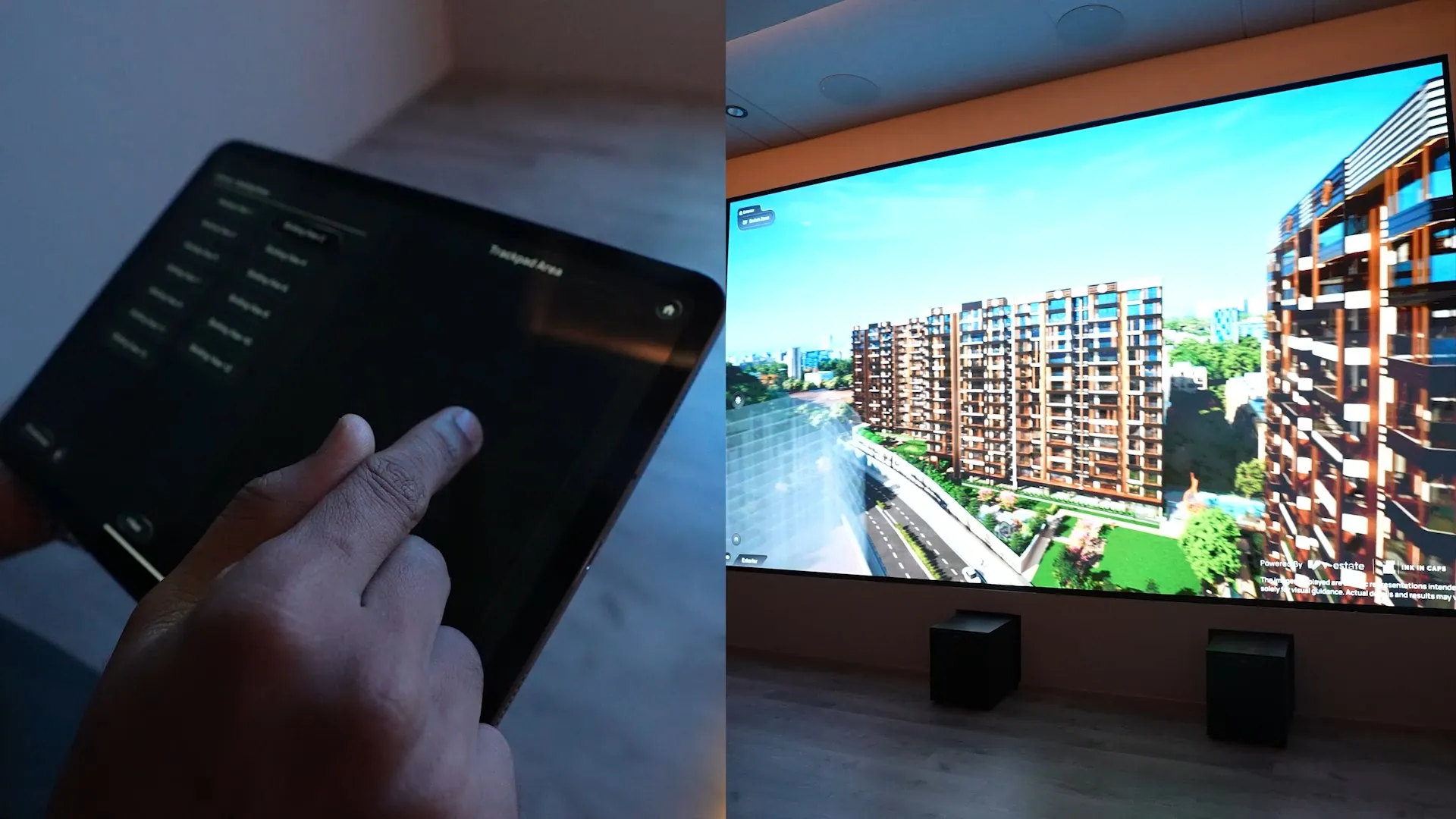
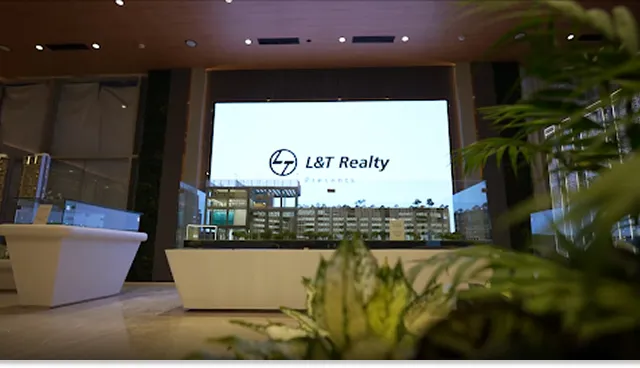
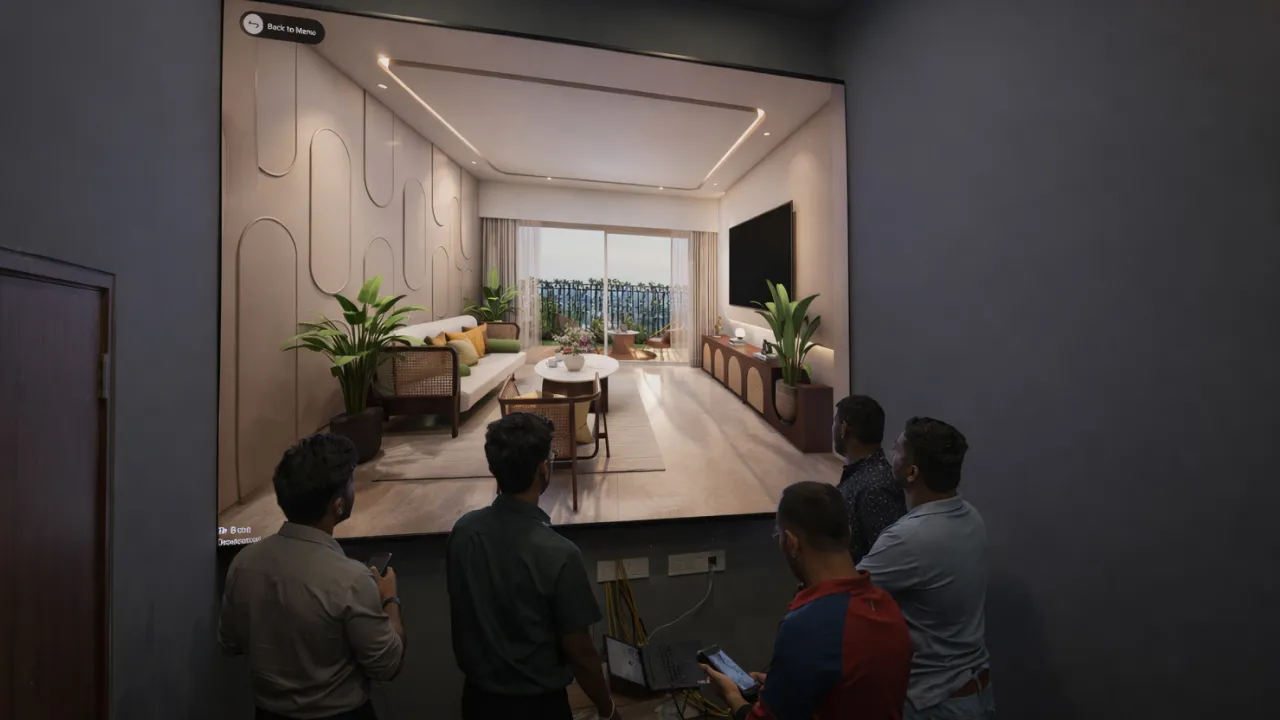
V-Estate's interactive walkthrough platform at Nahar Valley's experience centre changed how that context was delivered — and changed the buyer's relationship to it.
How the Interactive Sales Tool Answered the Three Questions
Project Overview — Making Scale Legible
A floor plan on A3 paper doesn't help a buyer understand that the master bedroom is genuinely generous, or that the living room is a real living room. A render can show a beautiful building without communicating how it sits on the land.
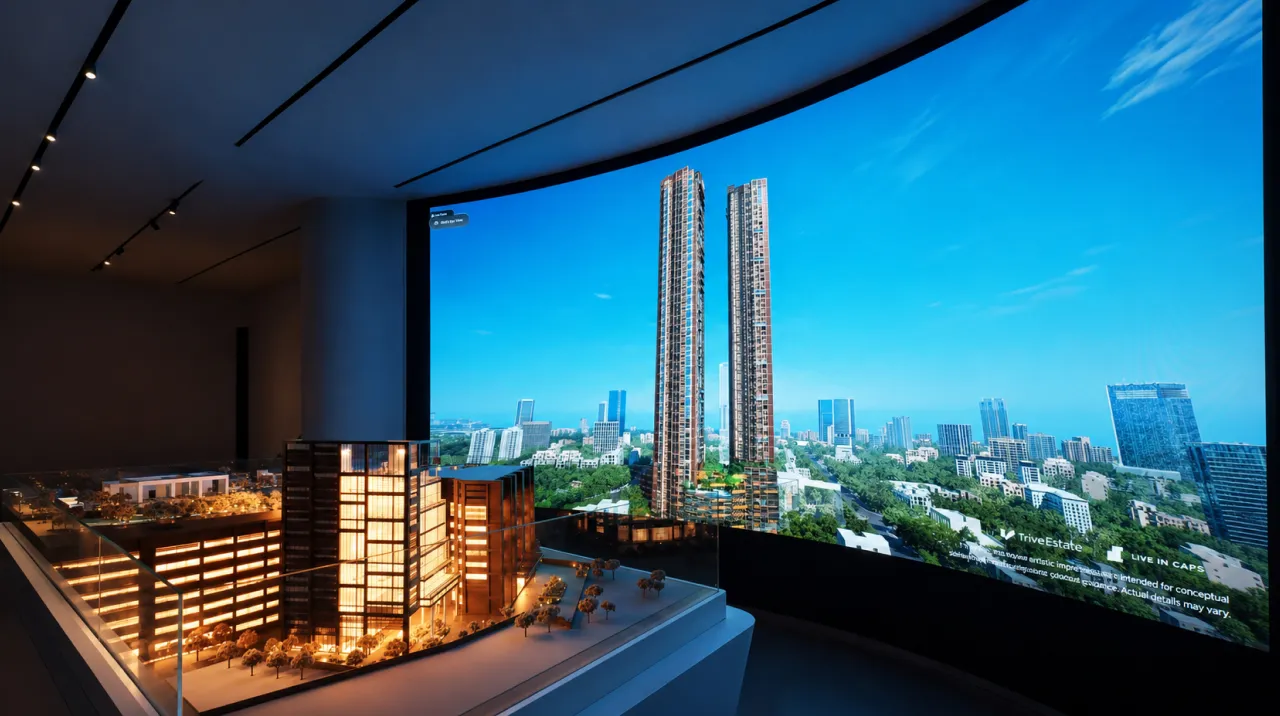
V-Estate's project overview module gave Nahar Valley buyers a holistic, navigable understanding of the development. They could see the project from different angles, appreciate the relationship between blocks and open spaces, and grasp the scale of what they were considering. For a development where the area around the building matters as much as the building itself, this was particularly powerful.
Vicinity Mapping — Turning an Address into a Life
The vicinity mapping capability goes well beyond a Google Maps screenshot. It presents the project's location in full neighbourhood context, showing what's within a 5 km radius in a way that's both visually clear and personally relevant:
- Schools and educational institutions with approximate distances
- Hospitals and healthcare facilities
- Shopping centres and daily convenience options
- Metro stations, highways, and key transit routes
- Recreational areas and parks
For buyers evaluating Nahar Valley against alternatives in more established areas, this module did something no brochure page could. It made the neighbourhood legible. Buyers who arrived uncertain about the location often resolved that uncertainty themselves — through the interactive map — rather than having to accept the salesperson's reassurances.
Amenities Showcase — Experiencing Value, Not Just Listing It
"Fully loaded amenities" is one of the most overused phrases in Indian real estate marketing. Buyers have learned to discount it. A list of facilities in a brochure lands with roughly the same impact as reading a car's specifications without ever sitting in it.
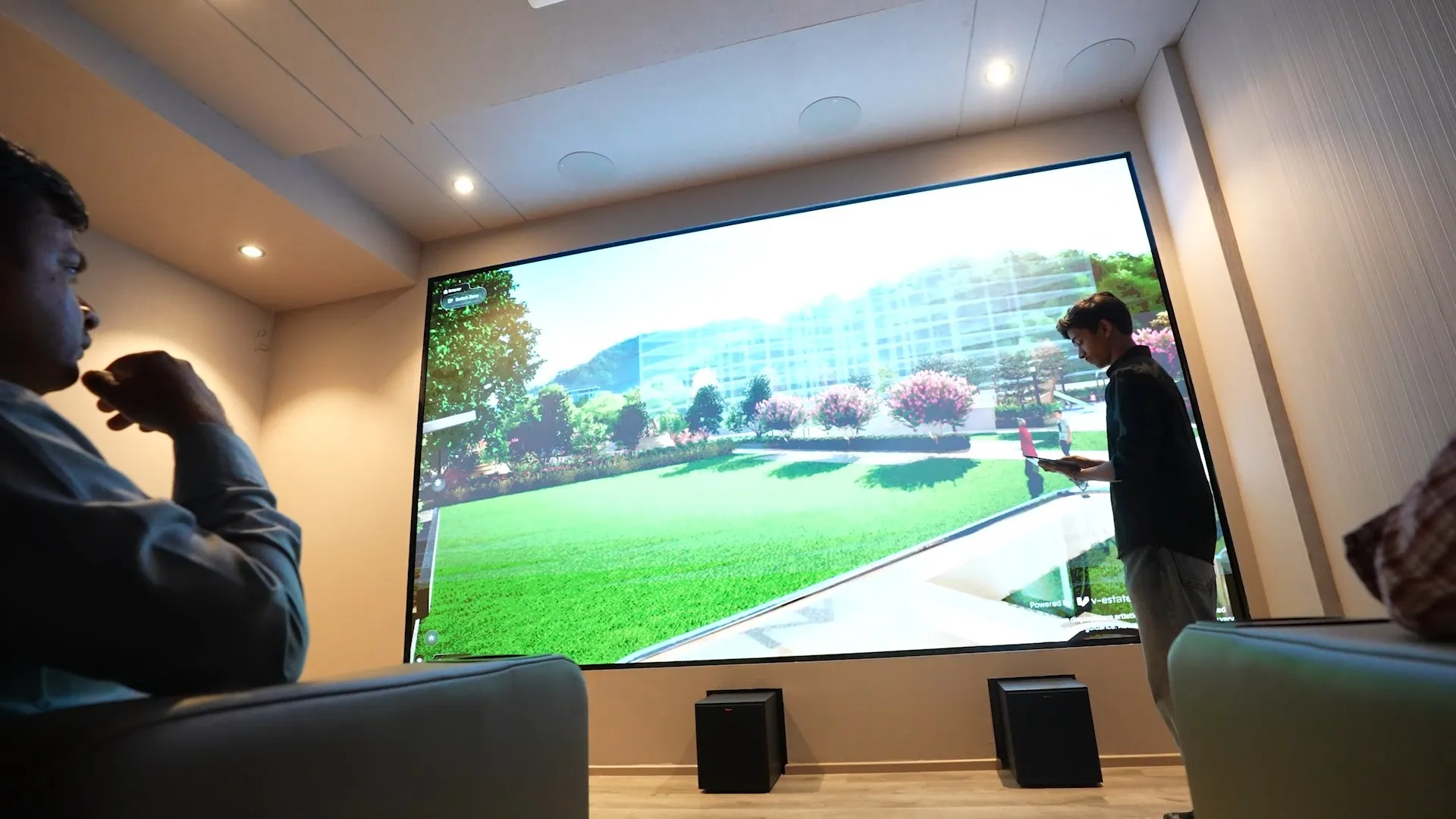
The amenities showcase in V-Estate's platform replaces the list with experience. Buyers at Nahar Valley could navigate through 360-degree representations of the clubhouse, pool area, and landscaped grounds — see the quality of finishes, the scale of spaces, the attention to detail that gets lost in bullet-pointed brochure copy.
In a market where multiple projects at similar price points compete for the same buyers, amenities are often the differentiator. The project that makes buyers feel those amenities — rather than just telling them about them — wins that comparison more often.
The Buyer Who Becomes the Advocate
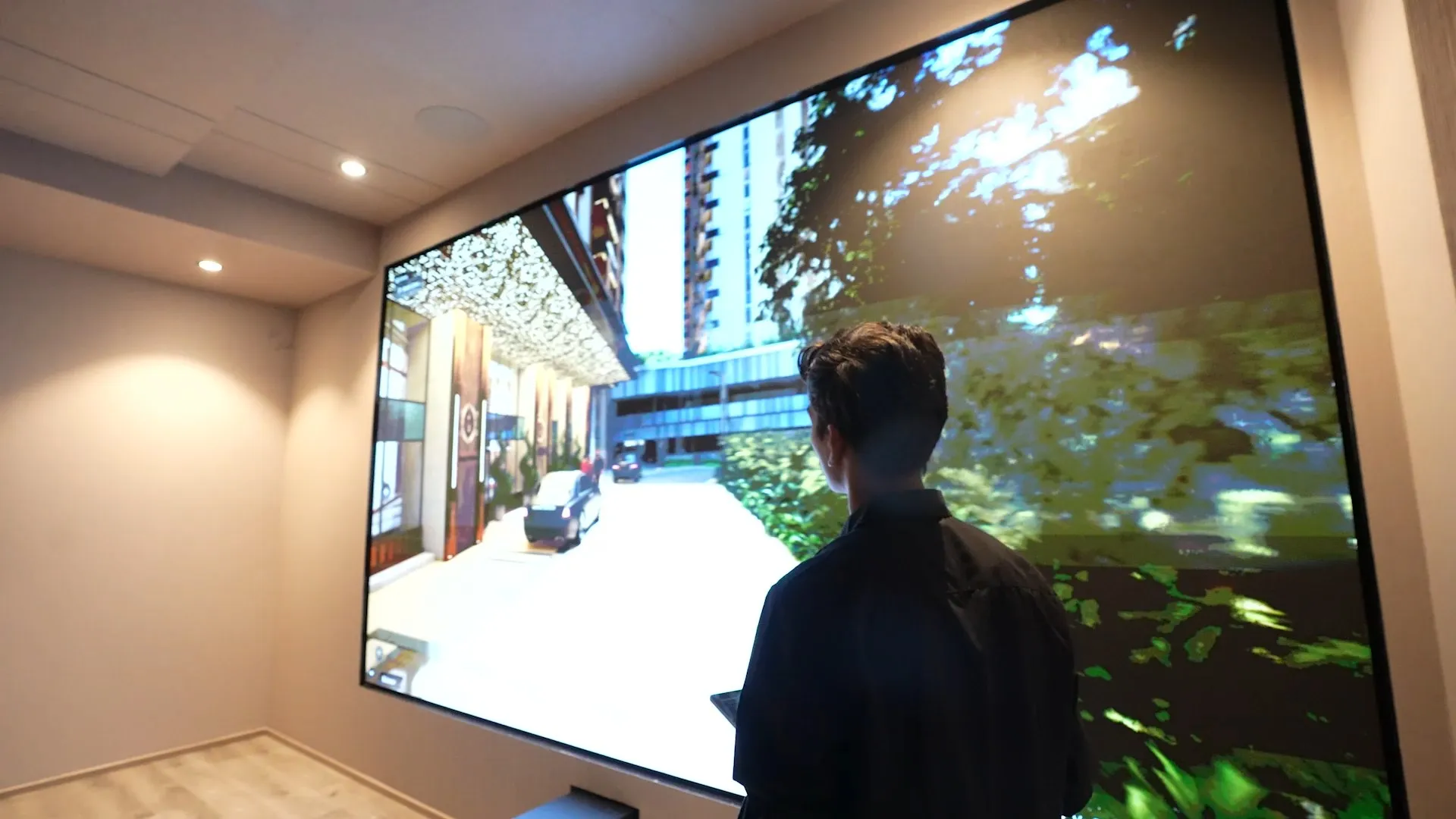
Something interesting happens when buyers are given an interactive tool to explore rather than being presented to. They start explaining things to each other.
At the Nahar Valley experience centre, the sales team noticed buyers who came with spouses or parents start using the interactive tool to walk their companions through the project themselves. They'd point to the vicinity map and say "look, the hospital is right here." They'd navigate to a unit and say "this is the one I was thinking about."
That shift — from buyer to advocate — is enormously valuable. A buyer who can clearly explain your project to someone else has already made most of the emotional commitment. The decision, by that point, is mostly done.
How to use interactive sales tools in real estate marketing
Show your buyers the full picture — not just the floor plan.
V-Estate's interactive sales tool brings project overview, vicinity mapping, and amenities to life in your experience centre. Offline. Reliable. Built for the way Indian buyers actually decide.



























Sign in to leave a comment.