

Caring for your newborn's delicate skin is a top priority, and cloth diapers offer a cosy and eco-friendly alternative to disposable options. In this SuperBottoms guide, we'll explore the world of cloth diapering and provide simple steps to make your baby familiar and comfortable with cloth diapers.
Understanding Cloth Diapers:
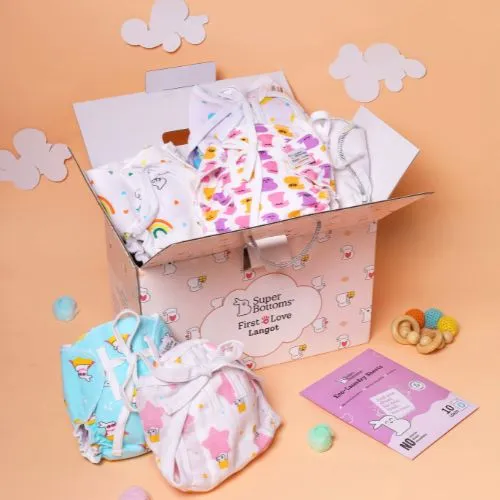
Cloth diapers are soft, breathable, and made from gentle materials like cotton. Unlike disposable diapers, they are reusable, making them a fantastic choice for both your baby's comfort and the environment. Opt for high-quality baby cloth diapers such as Freesize UNO Cloth Diapers for the best experience. Cotton diapers are prized for their incredible softness, providing a gentle touch against your baby's delicate skin. The natural fibres make them a comforting choice, ensuring a snug and cosy feel. Cotton is renowned for its absorbent qualities, making newborn baby diapers highly effective in managing wetness. This absorbency helps keep your baby dry and comfortable for extended periods. Cotton diapers are easy to care for. They can withstand regular washing and retain their softness over time. Follow simple washing instructions, and your cotton diapers will stay in top-notch condition. Enjoy the variety of adorable designs and patterns that baby cloth diapers come in. From cute animals to vibrant colours, cotton diapers allow you to diaper your baby in style. Investing in cotton diapers proves to be a cost-effective choice in the long run. Their durability and reusability make them an economical option, saving you money on disposable diapers.
Choosing the Right Cloth Diapers:
When selecting cloth diapers for your baby, consider the different types available. From prefold to all-in-one, each style has its unique features. Experiment with a few to see which one suits your baby best. Selecting the right newborn baby diapers for your little one might seem like a daunting task with various options available. Choosing the right cloth diaper involves considering your baby's needs, your lifestyle, and personal preferences. Whether you opt for the simplicity of AIOs, the versatility of pocket diapers, or the classic appeal of pre-folds, finding the perfect cloth diaper is a journey worth exploring. Enjoy the process, and embrace the world of cloth diapering with confidence!
Starting Early:
Start cloth diapering right from the newborn stage to make it a natural part of your baby's routine. Cloth diapers are soft and gentle, providing a cosy experience for your little one from the very beginning. Begin when your baby is a newborn, and they will grow accustomed to the comfort of clothes right from the start.
Getting Started with Cloth Diapering:
Prepping Your Cloth Diapers: Before first use, wash your reusable baby diapers a few times to enhance absorbency. This ensures they are ready for your baby's use and provides maximum comfort.Invest in a Waterproof Travel Bag for Baby Storage: Purchase a dedicated Waterproof Travel Bag for Storing cloth diapers. This makes storing and washing them more convenient. Line it with a Coloured Easy Clean Top Sheet for easy clean-up.Adjusting to the Right Fit: Reusable baby diapers come with adjustable snaps or hook-and-loop closures. Achieve the perfect fit by securing them comfortably around your baby's waist and thighs.Changing Cloth Diapers: Change cloth diapers regularly, just as you would with disposables. This helps prevent diaper rash and keeps your baby feeling fresh.Making Diaper Changes Fun: Turn diaper changes into bonding moments. Sing a song, talk to your baby, or provide a small toy to keep them engaged. Creating a positive association will make cloth diapering an enjoyable experience.Dealing with Cloth Diapering Challenges:
Handling Leaks: Ensure a proper fit and change diapers promptly to minimise leaks. Double-check that absorbency inserts are correctly placed.Overcoming Resistance: If your baby seems hesitant, introduce cloth diapers for babies gradually. Start with short periods and increase as they become more accustomed.Educating Caregivers
Share your cloth diapering knowledge with caregivers, whether it's grandparents, daycare providers, or babysitters. Provide a simple guide to ensure everyone is on the same page.
Maintaining Your Cloth Diapers:
Storing Dirty Diapers:Rinse off any solid waste into the toilet before storing dirty diapers in the diaper pail. This helps streamline the cleaning process.Washing Cloth Diapers:Follow the manufacturer's guidelines for washing cloth diapers for babies. Use a gentle detergent and avoid fabric softeners, as they can affect absorbency.Drying Cloth Diapers:Air-dry or machine-dry your cloth diapers according to the care instructions. Sun drying is a natural way to eliminate stains and bacteria.Key Takeaways:
Cloth diapering is not just a choice; it's a journey of comfort, care, and sustainability. By gradually introducing your baby to the world of cloth diapers and making it a positive experience, you're not only providing the best for your little one but also contributing to a greener, healthier planet. Embrace the softness, embrace the love, and let cloth diapering become a cherished part of your parenting adventure.
FAQs:
What are the benefits of choosing cloth diapers over disposable diapers?Ans. Cloth diapers offer benefits such as reduced environmental impact, cost savings in the long run, and a more breathable and comfortable option for your baby.
Are cloth diapers easy to use for new parents?Ans. Yes, modern cloth diapers come with user-friendly features like adjustable snaps or hook-and-loop closures, making them easy to use for new parents.
How often should I change a cloth diaper for my newborn?Ans. Newborns typically need more frequent diaper changes, approximately every 2-3 hours or as soon as the diaper is wet or soiled, to prevent diaper rash and ensure their comfort.
























Sign in to leave a comment.