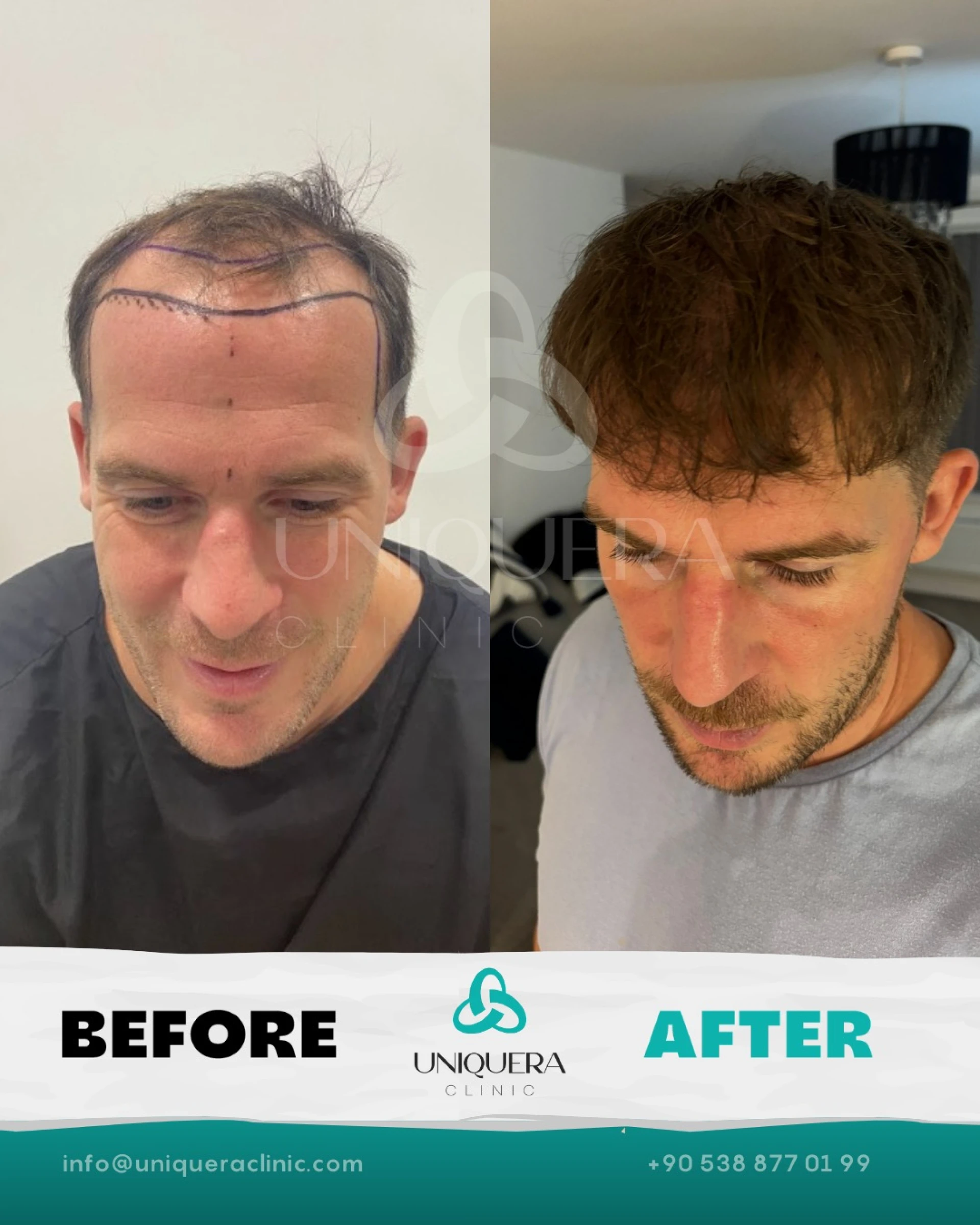

Hair loss has this strange way of creeping up on you. One year you barely notice it. The next year you’re tilting your head under bathroom lighting wondering when your temples started shifting backward. That’s usually the moment people begin searching for the best hair transplant in turkey, scrolling through endless before-and-after photos, reading reviews at midnight, comparing clinics like it’s a life decision. Well… it kind of is.
Turkey shows up again and again in those searches. Affordable packages. Experienced surgeons. Thousands of procedures performed every year. Clinics like UniquEra Clinic have built their reputation by focusing on natural hairline design and careful graft planning rather than rushing volume cases.
Still, the big question lingers.
Is hair transplant in Turkey actually safe?
The honest answer? It can be very safe — if you choose carefully.
Why Turkey Became So Popular for Hair Transplant Procedures
There’s no mystery here. High surgical experience combined with reasonable pricing made Turkey a global hub for FUE hair transplant and DHI hair transplant techniques.
Many surgeons perform multiple procedures daily. That repetition sharpens skill. It also means clinics develop efficient systems for international patients — airport transfers, hotel arrangements, translators. The process feels organized.
But not every clinic operates with the same medical discipline.
The phrase “best hair transplant clinics in Turkey” gets searched constantly because people want reassurance. And they should. High demand always attracts both serious medical centers and less careful operators.
What Are the Real Risks of Hair Transplant in Turkey?
Let’s talk plainly.
A hair transplant is minor surgery. It involves local anesthesia, graft extraction, channel opening, and implantation. Even though it’s minimally invasive, risks still exist.
Common hair transplant risks include:
- Swelling around the forehead
- Redness lasting several weeks
- Temporary shock loss
- Infection (rare in proper clinics)
- Overharvesting of donor area
- Unnatural hairline design
Swelling usually peaks around day two or three. It fades on its own. Shock loss can look dramatic but often resolves within a few months. Infection is uncommon when sterile protocols are followed.
The more serious issues tend to appear when procedures are rushed or performed without strong surgeon supervision. Overharvesting is one of the biggest long-term problems. Once the donor area is damaged, restoring it becomes complicated.
That’s where hair transplant repair turkey procedures come into play. Corrective surgeries often involve redistributing grafts, softening harsh hairlines, or filling patchy donor areas. It’s more delicate than the original transplant.
And yes, more expensive too.
Not All Clinics Operate the Same Way
This is where things get real.
Some clinics function like high-volume production lines. A sales consultant handles consultation. The surgeon appears briefly. Technicians perform most of the extraction and implantation.
Other clinics, including places like UniquEra Clinic, follow a more controlled medical structure. The surgeon evaluates the scalp, designs the hairline carefully, and supervises key steps during surgery. Graft numbers are planned based on donor strength — not exaggerated for marketing.
That difference matters more than people realize.
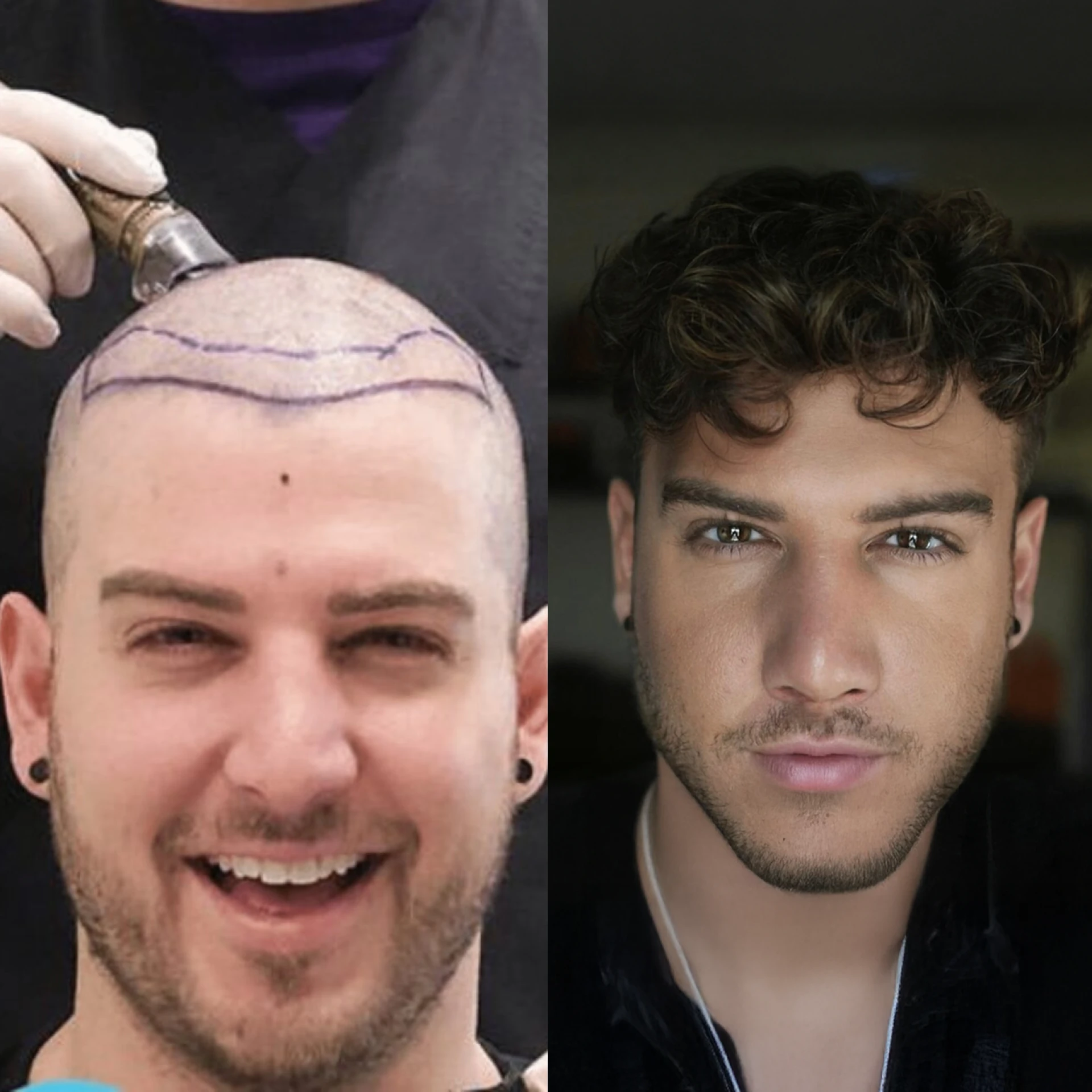
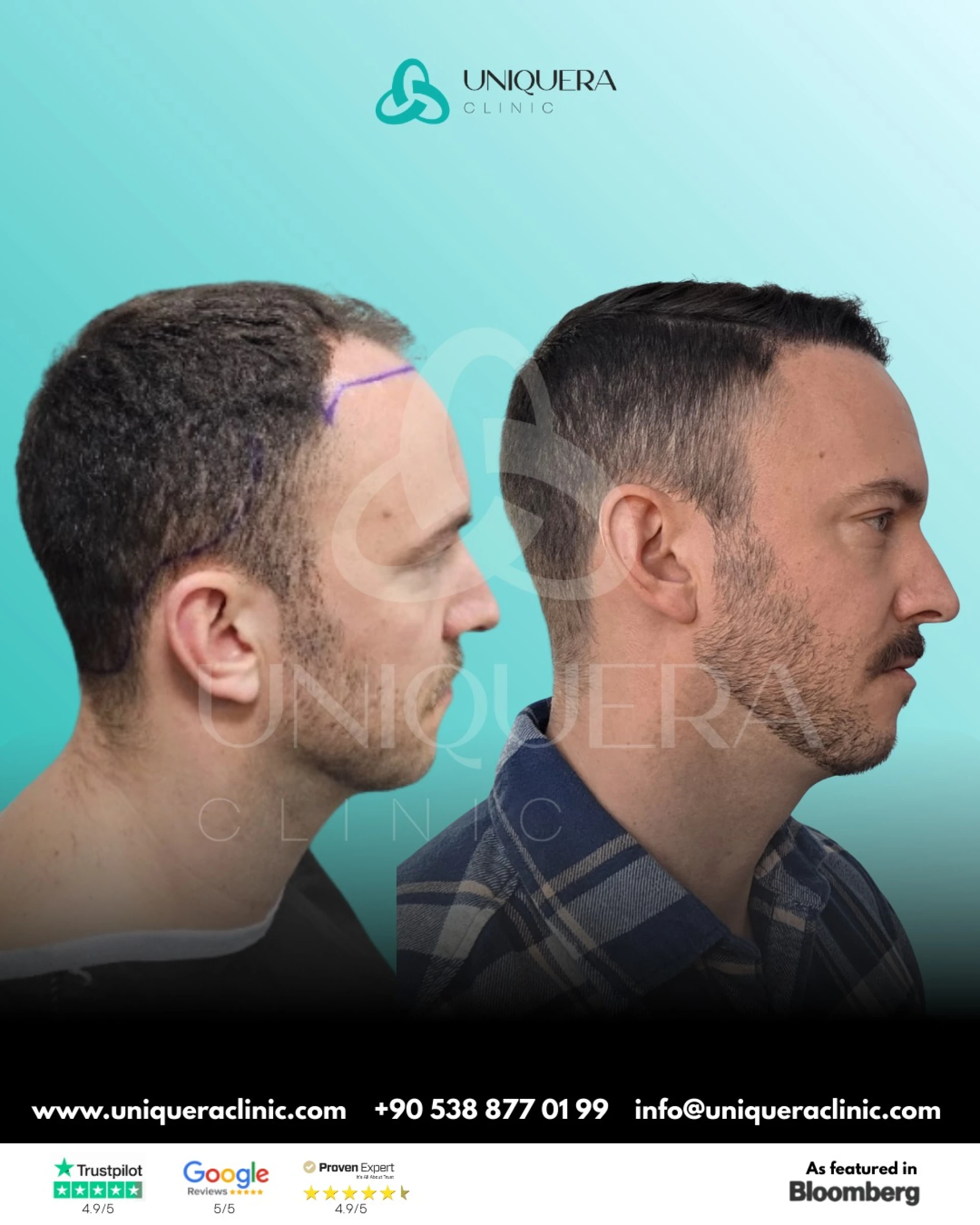
A hairline that looks good at 28 might look unnatural at 45 if it’s placed too low. Responsible planning considers future hair loss progression. It’s subtle, but it shows in the final result.
How to Choose Safely Among the Best Hair Transplant Clinics in Turkey
Choosing a clinic isn’t about flashy Instagram ads. It’s about transparency and consistency.
Here’s what to look for:
Direct consultation with the surgeon.
You should speak with the doctor designing your hairline, not just a coordinator.
Clear graft planning.
If everyone is quoted the same number of grafts, something’s off.
Natural-looking results.
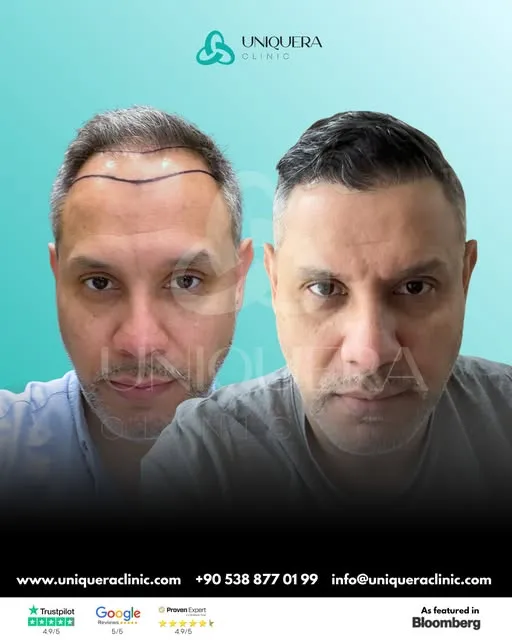
Look at hairlines closely. Are they age-appropriate? Slightly irregular? Real hairlines aren’t ruler-straight.
Medical licensing and hygiene standards.
The clinic should openly share certifications.
Realistic timelines.
Hair growth takes 10–12 months for full density. Anyone promising instant thick hair is overselling.
Some patients rush because they’re frustrated with hair loss. That’s understandable. Still, this isn’t something to choose in one evening.
What Makes a Hair Transplant in Turkey Safe?
Safety comes from structure and discipline.
In reputable clinics:
- Blood tests are done before surgery
- The surgical room is sterile
- Local anesthesia is administered carefully
- Grafts are handled gently to protect survival rate
- Aftercare instructions are detailed and monitored
Aftercare actually plays a bigger role than many expect. Sleeping position matters. Washing technique matters. Avoiding intense exercise in the early weeks matters.
I’ve seen patients ignore instructions and then panic over minor setbacks. Healing is a process. Scabs form. They fall off. Shedding happens before growth begins. It’s not linear.
Patience helps.
Why Hair Transplant Repair Turkey Is Increasing
More patients are traveling for corrective work now than before. Social media has made everyone aware of what good results should look like.
Repair cases usually involve:
- Straight, unnatural hairlines
- Donor area thinning from excessive extraction
- Low graft survival
- Visible scarring from outdated techniques
Repair surgery requires artistic judgment. It’s about blending. Softening. Rebuilding balance. Clinics with strong experience in corrective cases, including centers like UniquEra Clinic, approach these procedures cautiously because donor resources are limited.
It’s always easier to do it right the first time
So, Is Hair Transplant in Turkey Safe?
Yes — in the right hands.
Turkey’s reputation exists because many clinics deliver consistent, natural results at reasonable cost. The country’s high procedure volume builds experience quickly.
The risk increases when patients focus only on price or choose clinics without researching surgeon involvement.
Hair restoration isn’t just cosmetic. It touches confidence, social presence, even the way someone carries themselves in photos.
A good transplant doesn’t scream “I had surgery.” It quietly blends in. You stop obsessing over your hairline. You forget about harsh lighting.
That’s usually how you know it went well.
Take your time. Ask uncomfortable questions. Compare clinics carefully. A thoughtful decision today can save you from searching for hair transplant repair turkey next year.
And honestly… that peace of mind is worth a lot.
























Sign in to leave a comment.