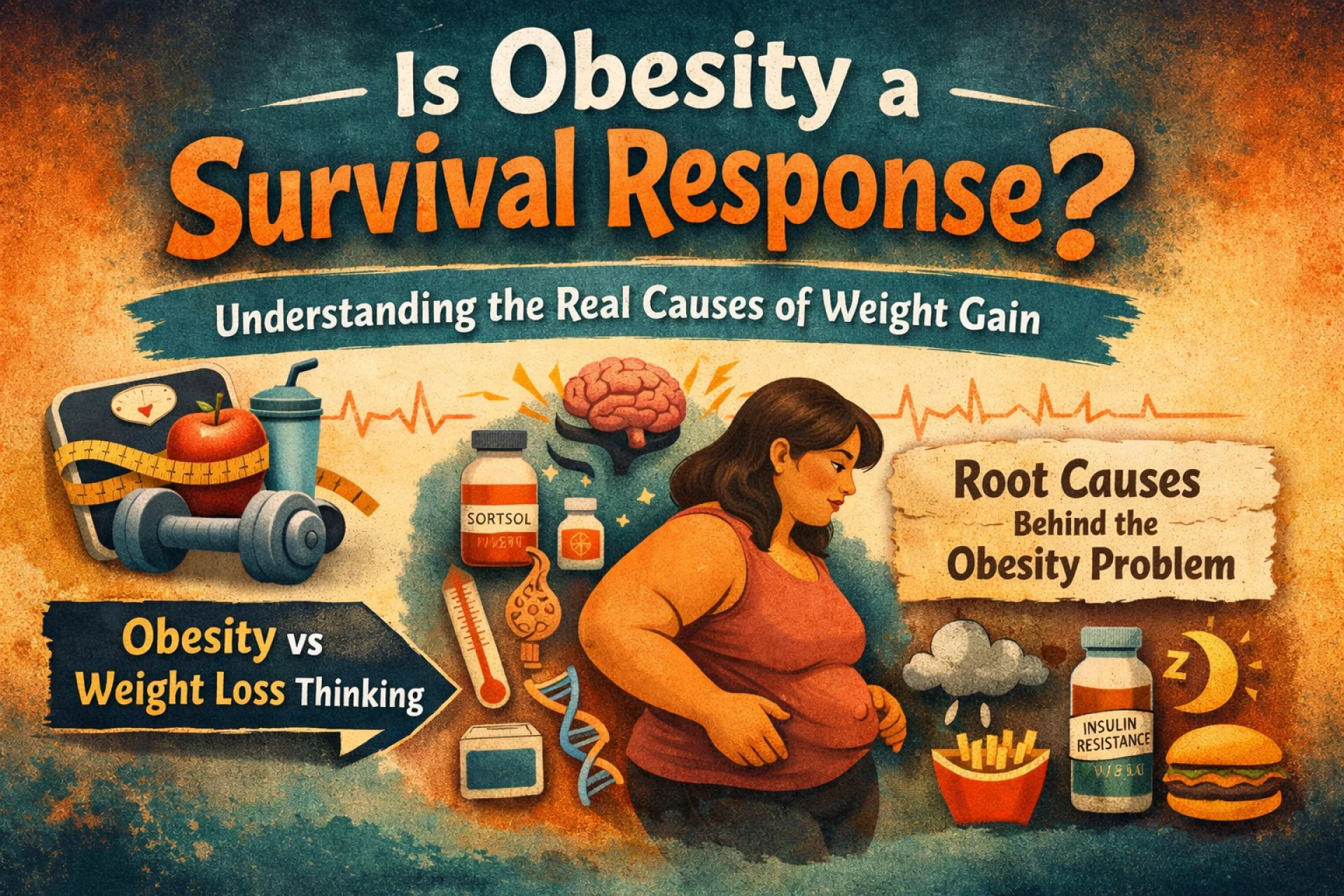

Is Obesity a Survival Response? Understanding the Real Causes of Weight Gain
To understand obesity properly, we must move away from blame and toward biology. This blog explores obesity science through the lens of metabolism, insulin signaling, inflammation, and evolutionary survival. More importantly, it explains why obesity is not about willpower, and why lasting change only occurs when root causes are addressed.
For decades, obesity has been framed as a simple outcome of eating too much and moving too little. This narrative places blame squarely on individuals, often ignoring the complex biological systems that govern body weight. But what if obesity isn’t a failure of self-control at all? What if it’s the body’s adaptive survival response to stress, hormonal imbalance, and perceived scarcity?
Understanding obesity through this lens can change not only how we treat weight gain but how we treat people.
What Does Survival Response Mean in the Human Body?
The human body develop to survive famine, stress, illness, and uncertainty. When the brain senses danger whether physical or emotional it activates protective mechanisms designed to conserve energy and ensure survival.
These mechanisms include:
Slowing metabolism, Increasing fat storage, Elevating hunger signals, Reducing energy expenditure.
In modern life, chronic stress and metabolic dysfunction can keep the body stuck in this survival mode, even when food is plentiful.
When Hormones Control Weight: What You Need to Know
Understanding how hormones influence weight is the first step toward lasting, sustainable health. If weight gain feels stubborn despite healthy eating and regular exercise, hormones may be playing a bigger role than you realize. Body weight isn’t controlled by willpower alone it’s regulated by a complex hormonal system that decides when to store fat, burn energy, or trigger hunger.
Weight regulation is controlled far more by hormones than by willpower. When these hormones are disrupted, weight gain becomes a biological consequence.
Insulin: The Fat-Storing Hormone
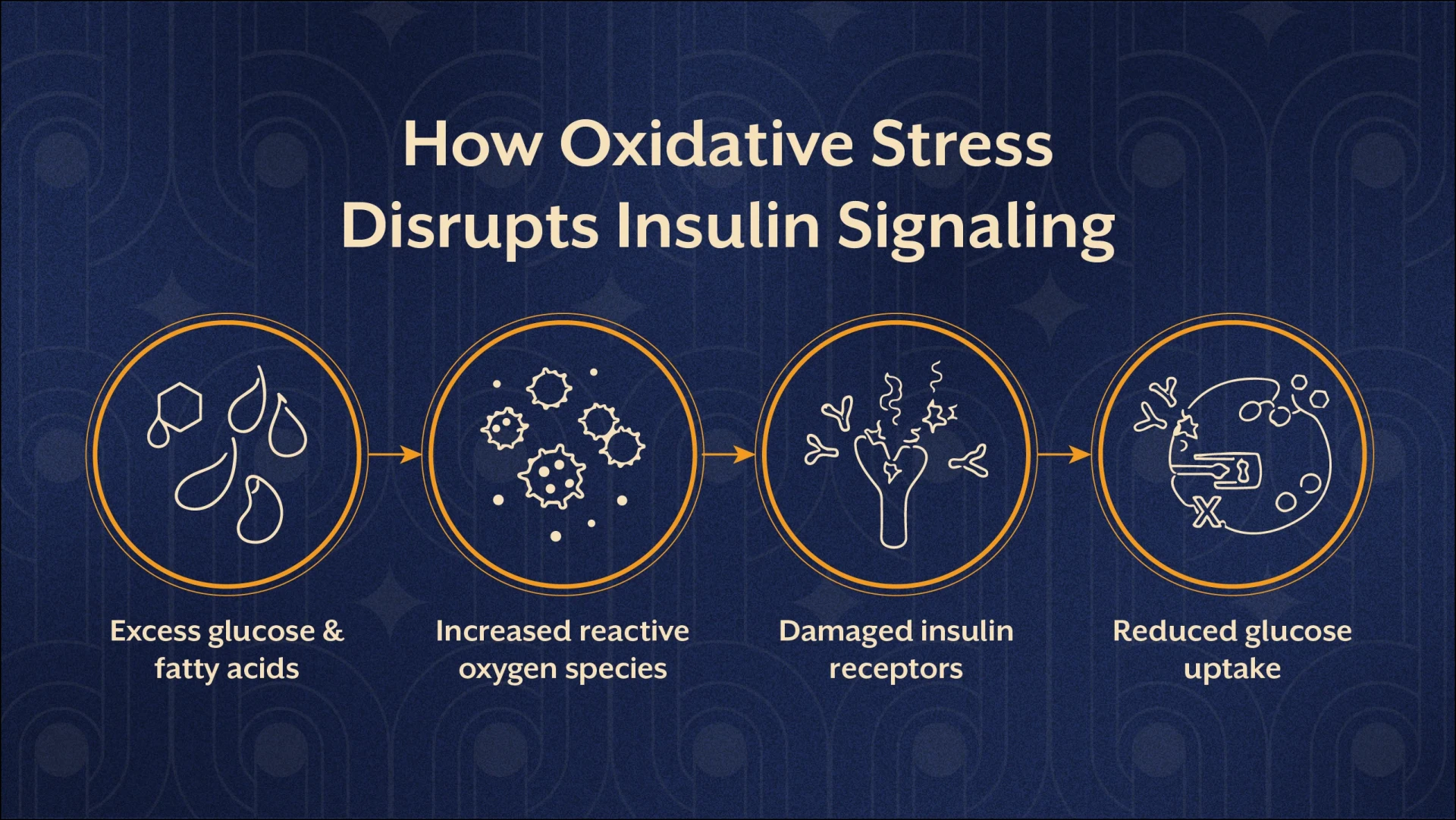
Insulin helps move glucose from the blood into cells for energy. When insulin levels remain chronically high a condition known as insulin resistance the body shifts into fat storage mode. High insulin levels block fat burning, Increase hunger and cravings, Promote abdominal fat storage this is why many people gain weight even if they are eating normally or even dieting.
Cortisol: Stress and Survival Fat
Cortisol, the primary stress hormone, rises during emotional stress, sleep deprivation, trauma, or over exercise. Chronically elevated cortisol tells the body that it’s unsafe to let go of stored energy. Excess cortisol can increase blood sugar levels, Promote belly fat, Disrupt insulin sensitivity
For many, weight gain is the body’s way of buffering against constant stress.
When calories are repeatedly restricted metabolism slows down, Hunger hormones increase.
Trauma, Sleep, and Emotional Stress:
Emotional stress, unresolved trauma, and poor sleep can all signal danger to the nervous system. These factors can disrupt appetite regulation.
Why Obesity Is About Biology, Not Behavior:
Obesity is often described as a result of poor choices or lack of discipline. This belief has shaped public opinion, medical advice, and even self image for millions of people. But modern science tells a very different story. Obesity is not primarily driven by behavior it is driven by biology. Understanding this shift is essential for effective treatment, long-term health, and compassion.
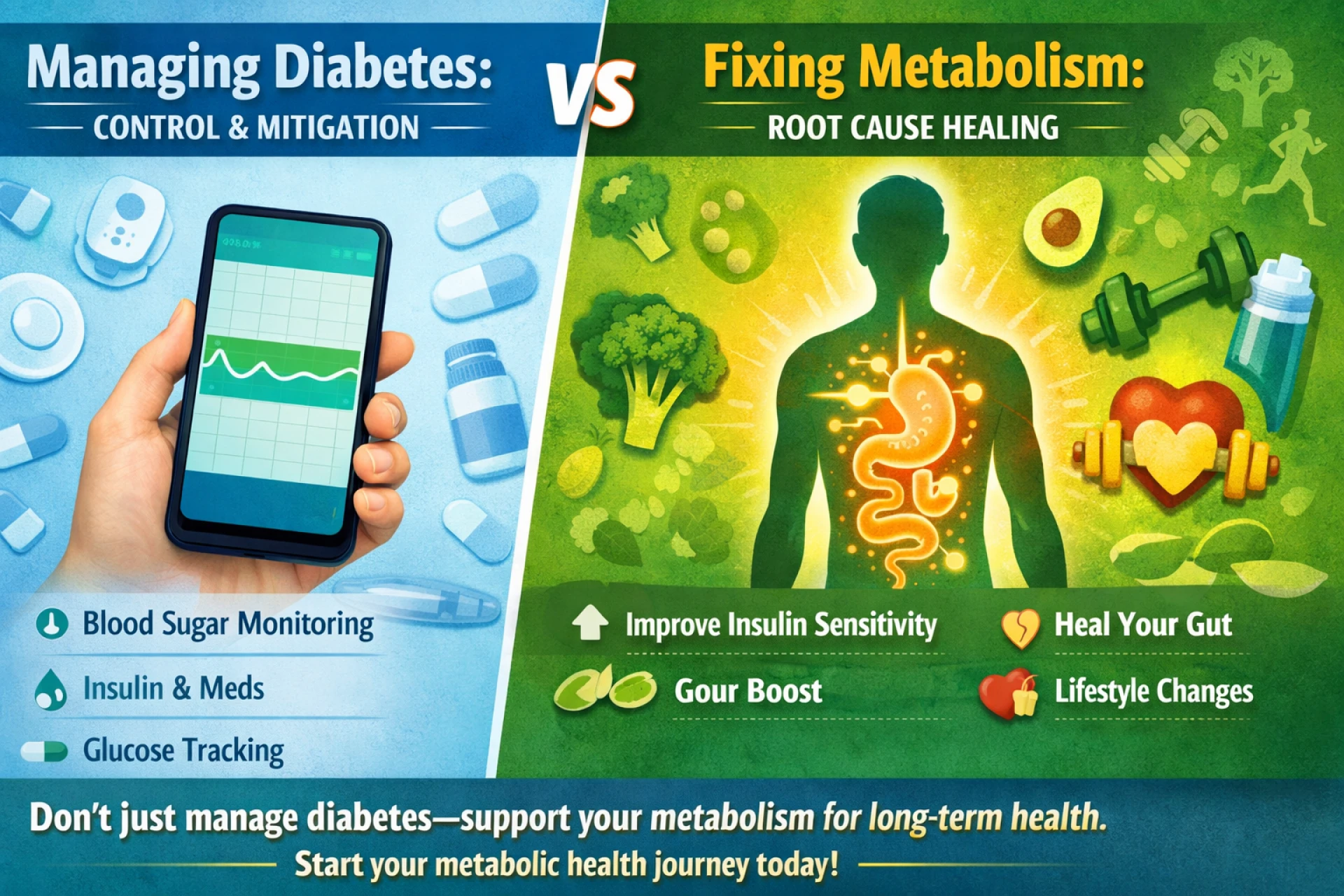
This shift in understanding encourages: Compassionate care, Root-cause healing, Sustainable lifestyle changes instead of punishment, supporting the body out of survival mode instead of fighting the body, healing begins by making it feel safe again.
Gentle Approaches That Work With the Body:
- Improving insulin sensitivity through balanced nutrition
- Managing stress and prioritizing sleep
- Gentle movement instead of extreme exercise
- Addressing hormonal imbalances and inflammation
When the body no longer feels threatened, it becomes easier to release excess weight naturally.
Conclusion:
Obesity is not simply about food choices it’s about biology, environment, and survival. Recognizing weight gain as a protective response opens the door to better treatment, deeper empathy, and more effective long-term solutions.
The goal isn’t to battle the body but to support it.
Follow to stay informed with new healthcare blog posts.
Stay healthy before you get sick.






























Sign in to leave a comment.