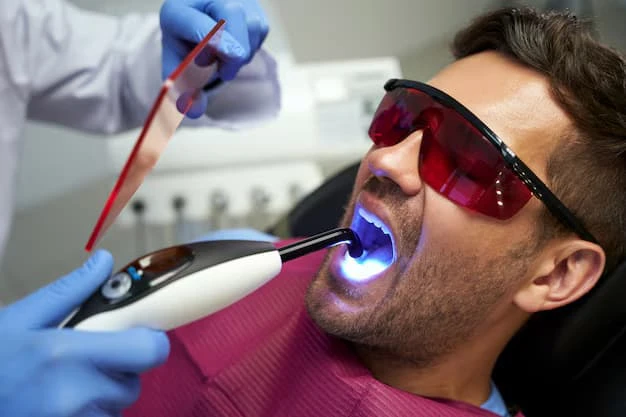

A bright smile often feels like a sign of good health and confidence. Because of this, teeth whitening has become one of the most requested dental treatments. At the same time, many people worry about safety. Can whitening damage teeth? Is it painful? What do dentists actually recommend?
This article explains the safety of teeth whitening in simple terms, based on dental knowledge and research, so readers can understand what is safe and what to avoid.
What Is Teeth Whitening?
Teeth whitening is a dental process that lightens the color of teeth by removing stains. These stains often come from coffee, tea, tobacco, certain foods, and natural aging.
Dentists use whitening agents that break down stains on the enamel surface. Teeth whitening does not change the structure of the tooth; it only improves color when done correctly.
Why Teeth Become Discolored
Teeth are not naturally pure white. Over time, the outer layer (enamel) becomes thinner, allowing the inner layer (dentin) to show through. This makes teeth appear yellow or dull.
Dental studies show that surface stains and internal color changes are common and normal. Teeth whitening is designed to address these changes safely when used under proper guidance.
Is Teeth Whitening Safe for Most People?
Yes, teeth whitening is generally safe when done correctly. Dentists worldwide agree that professionally supervised teeth whitening does not damage enamel or gums.
Research published in dental journals shows that approved whitening products, when used as directed, do not cause long-term harm. Temporary sensitivity may occur, but this usually fades within a short time.
Professional Teeth Whitening vs At-Home Products
There are two main ways to whiten teeth: professional treatments and over-the-counter products.
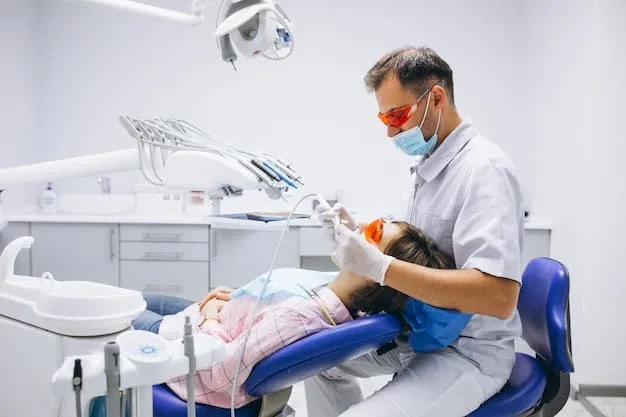
Dentist-supervised teeth whitening uses controlled materials and customized plans. Dentists first check tooth and gum health to make sure whitening is suitable.
At-home products are widely available, but misuse can increase sensitivity or irritate gums. Dentists recommend caution with unsupervised teeth whitening, especially products with unclear ingredients or instructions.
What Dentists Check Before Whitening
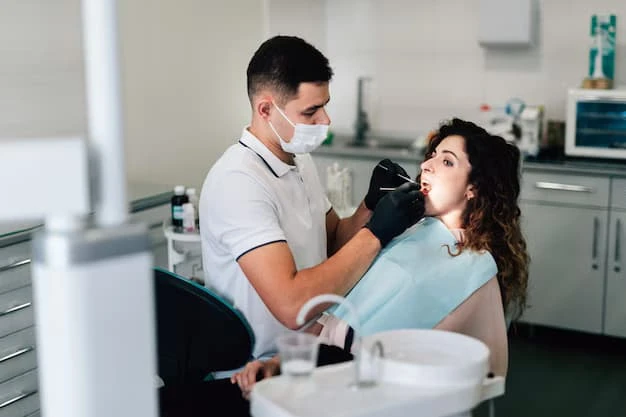
Before recommending teeth whitening, dentists examine teeth and gums. Cavities, gum disease, or exposed roots must be treated first.
Dental research shows that whitening unhealthy teeth can cause discomfort. This is why dentists stress proper evaluation before starting teeth whitening.
Common Side Effects and Why They Happen
The most common side effect of teeth whitening is temporary sensitivity. This happens because whitening agents pass through the enamel to remove stains.
Dentists explain that sensitivity usually lasts a few hours or days and then disappears. Using dentist-recommended products and following instructions reduces this risk.
Gum irritation can also occur if whitening gel touches soft tissues. A professional application helps prevent this issue.
How Often Is Teeth Whitening Safe?
Teeth whitening is not meant to be done too frequently. Dentists recommend spacing treatments appropriately to protect enamel.
Studies show that excessive whitening can increase sensitivity without improving results. Dentists guide patients on safe intervals to maintain both appearance and tooth health.
Myths About Teeth Whitening
One common myth is that teeth whitening weakens teeth. Dental research confirms this is not true when approved products are used correctly.
Another myth is that whitening works the same for everyone. In reality, results depend on the type of stains and natural tooth color. Dentists set realistic expectations before starting teeth whitening.
Teeth Whitening for Sensitive Teeth
People with sensitive teeth can still consider teeth whitening, but special care is needed. Dentists may recommend lower-strength whitening agents or desensitizing products.
Clinical studies show that tailored whitening plans reduce discomfort for sensitive patients. This personalized approach improves safety and comfort.
Importance of Dentist Guidance
Dentists recommend teeth whitening that is based on dental evaluation, not trends or quick fixes. Professional guidance ensures correct product choice, safe application, and proper aftercare.
Evidence-based dentistry supports whitening as safe when done responsibly. Dentists rely on research, not guesswork, when advising patients.
How to Maintain Whitening Results Safely
After teeth whitening, maintaining results is important. Dentists recommend good oral hygiene, including brushing, flossing, and regular check-ups.
Limiting staining foods and drinks also helps. Dental studies show that maintenance habits can extend whitening results without repeated treatments.
When Teeth Whitening Is Not Recommended
Teeth whitening may not be suitable for everyone. Pregnant individuals, patients with untreated dental problems, or those with certain restorations may need alternative options.
Dentists assess each case individually. This careful approach supports safety and avoids unnecessary risks.
Final Thoughts
Teeth whitening is considered safe when guided by dental professionals and supported by proper evaluation. Scientific evidence shows that controlled teeth whitening does not harm enamel and offers reliable cosmetic improvement.
The key to safe teeth whitening lies in professional advice, correct product use, and realistic expectations. When patients follow a dentist's recommendations, teeth whitening can enhance smiles without compromising oral health.


























Sign in to leave a comment.