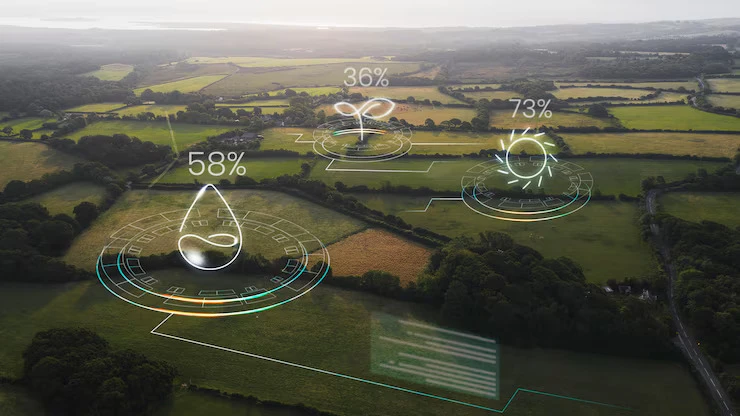

In an era of growing industrialization and urban expansion, monitoring environmental conditions is more important than ever. Businesses, governments, and safety agencies are investing in modern technologies to ensure public health and environmental safety. Among the key tools used today are gas leak detectors, comprehensive environmental monitoring systems, and ambient air quality monitoring devices.
Importance of Environmental Monitoring Systems
Environmental monitoring systems are designed to measure, record, and analyze various environmental parameters. These systems play a critical role in detecting changes in air, water, and soil quality, helping industries and regulatory bodies ensure compliance with safety standards.
Such systems are widely used in sectors like manufacturing, chemical processing, oil & gas, pharmaceuticals, and even urban planning. They help organizations monitor pollutants, reduce emissions, and take timely action in case of any environmental risk. These systems are often integrated with IoT and cloud technologies, allowing real-time data tracking and reporting.
Role of Gas Leak Detectors in Industrial Safety
Among the most essential components of a safety infrastructure is the gas leak detector. These devices are used to identify the presence of hazardous gases in the environment before they reach dangerous levels. Gas leaks can lead to serious health risks, fires, explosions, and long-term environmental damage if not detected early.
Gas leak detectors are commonly used in:
- Oil refineries and gas plants
- Chemical manufacturing units
- Food processing industries
- Residential and commercial buildings
Modern gas leak detectors come with advanced features like digital displays, alarms, and wireless connectivity. Many are designed to detect multiple gases such as methane, carbon monoxide, hydrogen sulfide, and ammonia, making them versatile for different applications.
Ambient Air Quality Monitoring: A Public Health Priority
Another crucial aspect of environmental safety is ambient air quality monitoring. With rising concerns about air pollution, especially in urban areas, monitoring outdoor air quality has become essential for protecting public health.
Ambient air quality monitoring systems track pollutants like:
- Particulate Matter (PM2.5 and PM10)
- Nitrogen Dioxide (NO₂)
- Sulfur Dioxide (SO₂)
- Ozone (O₃)
- Carbon Monoxide (CO)
These systems are often installed in cities, near industrial areas, highways, and construction zones to assess the level of pollutants in the atmosphere. Data collected from these monitors helps governments issue air quality alerts, enforce pollution control measures, and plan sustainable urban development.
Integrated Solutions for Better Environmental Control
Today’s technology allows the integration of gas leak detectors, environmental monitoring systems, and ambient air quality monitoring devices into unified platforms. These integrated systems provide centralized control, remote access, and real-time alerts, helping organizations respond faster to potential hazards.
By combining these technologies, industries can not only meet compliance standards but also take a proactive approach toward environmental safety and sustainability.
Conclusion
Investing in reliable gas leak detectors, effective environmental monitoring systems, and accurate ambient air quality monitoring solutions is no longer optional—it’s essential. These tools protect lives, preserve the environment, and help businesses operate responsibly.
Whether you are managing an industrial facility, running a construction site, or planning smart city infrastructure, these technologies ensure that you stay ahead in safety, compliance, and environmental stewardship.






























Sign in to leave a comment.