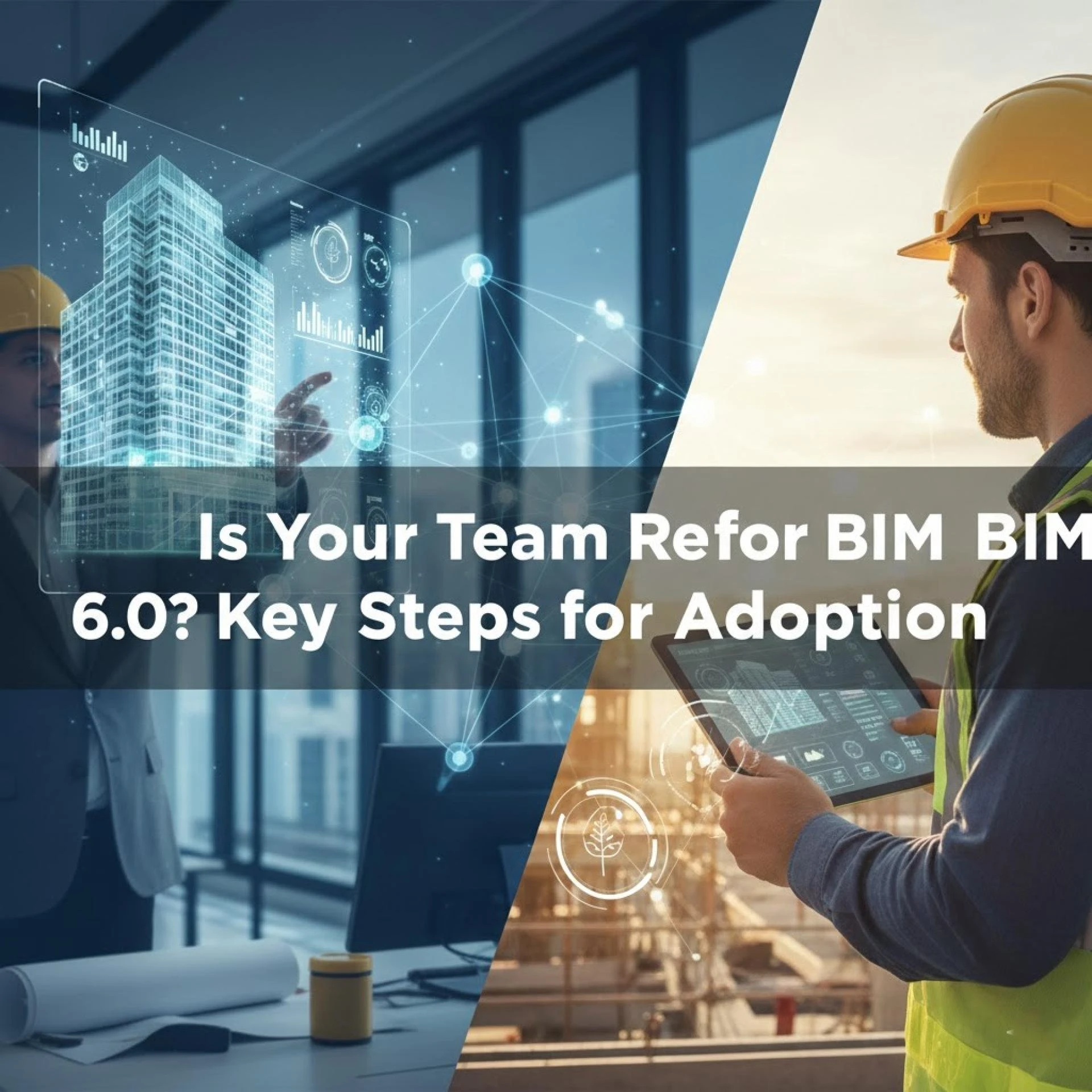

The AEC industry is no longer just about "drawing" buildings; it’s about simulating their entire existence. As we move through 2026, the conversation has shifted from 3D models to BIM 6.0, where the focus lands squarely on long-term sustainability and operational continuity.
But here is the reality check: while 75% of U.S. architectural firms have adopted BIM, many are still stuck in the "design-to-construct" silo. Transitioning to BIM 6.0 requires a pivot from static models to living digital twins. Is your team truly prepared for this shift?
The Core of the BIM 6.0 Evolution
Unlike previous iterations that focused on schedules (4D) or costs (5D), BIM 6.0 is the "Sustainability Dimension." It integrates high-fidelity data regarding energy consumption, carbon footprints, and lifecycle management.
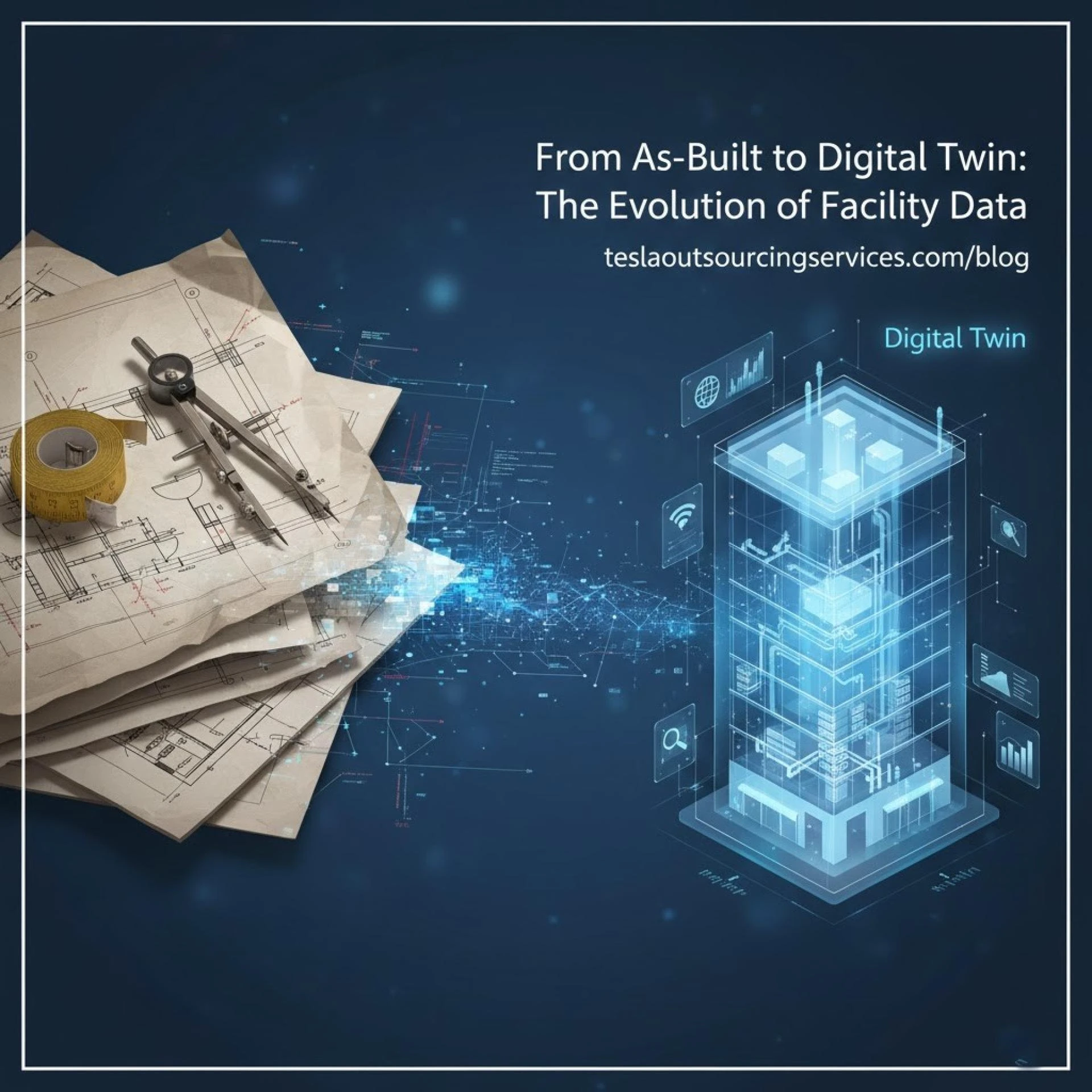
To thrive in this era, teams must stop viewing the model as a project deliverable and start seeing it as a permanent digital asset. This means ensuring that the core idea behind BIM 6.0 continuity is embedded into your workflow, where data flows seamlessly from the construction site to the facility manager’s dashboard.
3 Critical Steps for Successful Adoption
If you want to move beyond basic modeling and into the 6.0 maturity stage, focus on these three pillars:
- Audit Your Data Maturity: You can’t reach BIM 6.0 if your "as-built" models are actually "as-designed." Conduct a readiness assessment to see if your current models contain the COBie (Construction Operations Building information exchange) data required for facility management.
- Invest in "Data Literacy," Not Just Software: BIM 6.0 is data-heavy. Your team needs to understand how to interpret energy simulations and predictive analytics. The goal is to reduce building energy consumption—which studies show can be cut by up to 20% through data-driven facility management.
- Bridge the Handover Gap: The biggest failure in BIM is the "data drop" at project completion. Start involving facility managers during the design phase to ensure the digital twin meets their operational needs from day one.
The Path Forward
The transition to BIM 6.0 isn't just a technical upgrade; it's a cultural one. It demands that we think years—even decades—beyond the ribbon-cutting ceremony. Firms that master this will not only deliver better buildings but will also secure their place as leaders in a net-zero future.
























Sign in to leave a comment.