Hawaiian jewelry is more than just adornment—it is a rich expression of culture, heritage, and personal stories passed through generations. From its intricate craftsmanship to the symbolic meanings etched into each piece, this unique style of jewelry captures the heart of the islands and shares a tale of love, family, and identity.
What is Hawaiian Jewelry?
Hawaiian jewelry originated in the 19th century when Queen Liliʻuokalani, the last reigning monarch of the Kingdom of Hawaii, received a gold bracelet engraved with her name in Old English lettering. It was a gift from Queen Victoria of England, and it sparked a trend that would blossom into a beloved tradition across the islands.
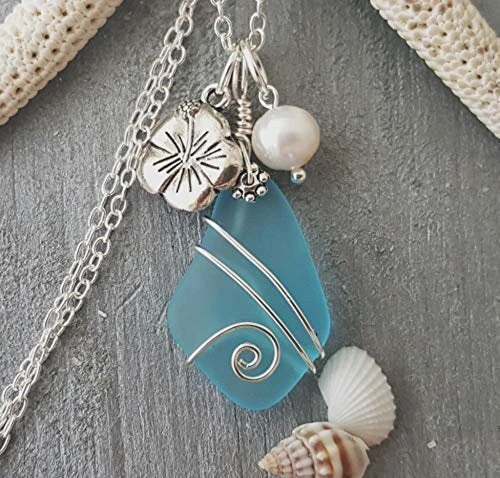
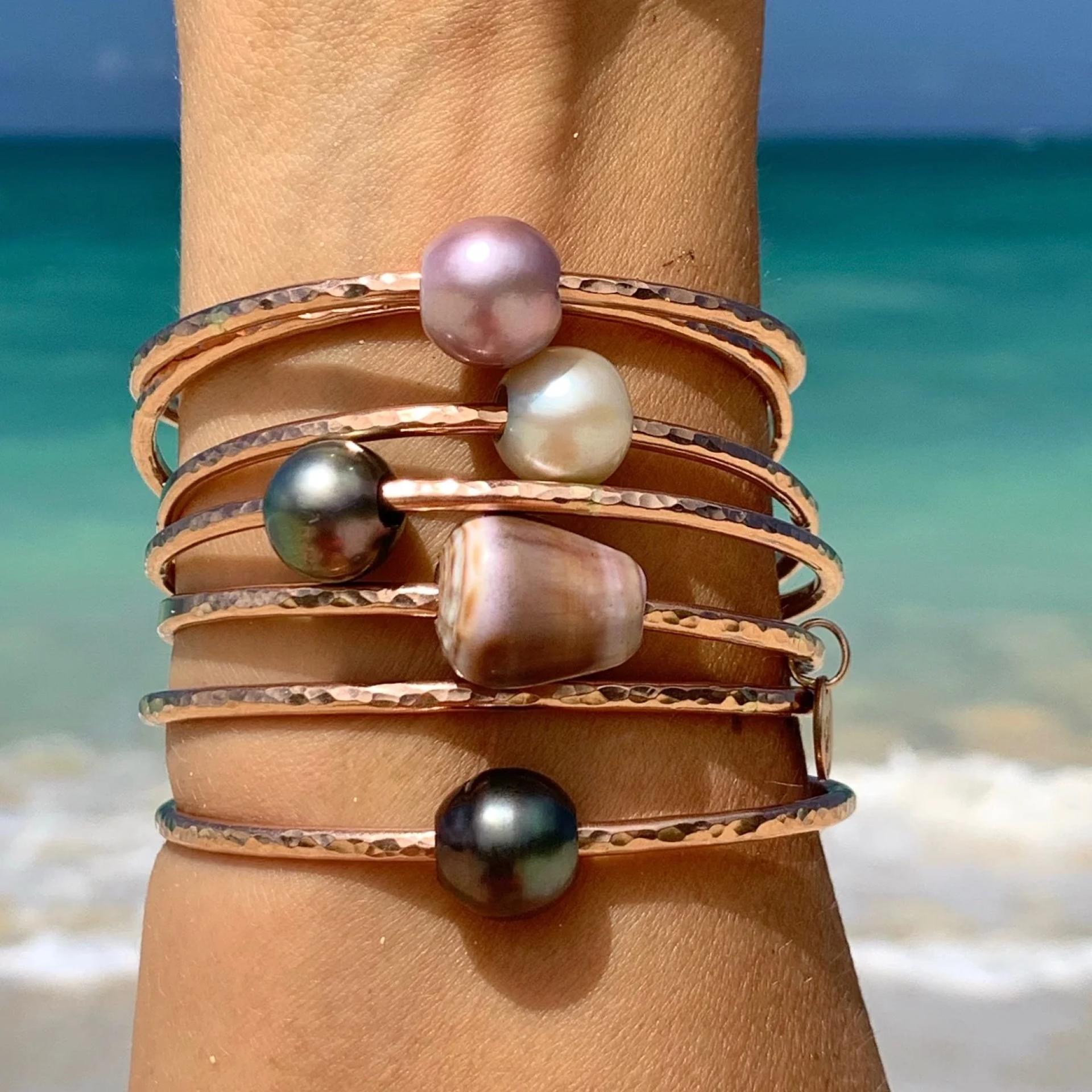
Today, Hawaiian jewelry refers to a range of handcrafted pieces, including bracelets, rings, necklaces, pendants, and earrings, often made from precious metals like gold and silver. These are typically engraved with Hawaiian names, phrases, or nature-inspired designs such as plumerias, hibiscus flowers, sea turtles, and waves.
What makes this jewelry distinct is not just the motifs or materials but the emotional depth they carry. A piece might commemorate a birthday, wedding, graduation, or even memorialize a loved one. Wearing Hawaiian jewelry becomes a deeply personal act—it's about wearing your history and heart on your sleeve, quite literally.
The Craftsmanship Behind the Art
Hawaiian jewelry is renowned for its exceptional craftsmanship. Many artisans spend years mastering the traditional engraving techniques that give each piece its signature look. Every stroke and swirl tells a story, reflecting the skilled hands and creative minds that shape them.
One of the most iconic features of Hawaiian jewelry is the scrollwork. This design, often referred to as the “Maile Lei” pattern, symbolizes love, respect, and unity. Some jewelers also use black enamel inlays to highlight engravings, a design element that has become a hallmark of this jewelry style.
Metals are carefully selected to ensure quality and longevity. Most pieces are made from 14K or 18K gold—yellow, white, or rose gold are all popular choices. Silver versions are more affordable yet still maintain the elegance and spirit of the traditional form.
Cultural Significance and Symbolism
The cultural significance of Hawaiian jewelry extends far beyond its aesthetic value. It is a living embodiment of aloha—love, peace, compassion, and mercy. These pieces are often gifted during major life milestones and are viewed as heirlooms to be treasured and passed down.
Names engraved in Hawaiian are especially meaningful. They are often chosen for their poetic quality and spiritual resonance. Giving someone a bracelet or ring engraved with their Hawaiian name is considered a deeply loving gesture. It says, "You are part of this culture, and you are loved."
Nature-themed elements also carry deep meanings. For instance:
- Plumeria flowers represent positivity and new beginnings.
- Sea turtles (honu) symbolize longevity and spiritual guidance.
- Palm leaves and waves denote resilience, movement, and strength.
These symbols serve as daily reminders of one's roots, values, and spiritual connection to the islands.
The Rise in Global Popularity
While Hawaiian jewelry started as a local tradition, it has gained popularity across the world. Tourists visiting the islands often bring home a piece not just as a souvenir but as a cherished memory of their time in paradise. Online retailers and boutique jewelers have made it easier than ever to access authentic Hawaiian designs from anywhere in the world.
Celebrities and fashion influencers have also embraced the beauty and meaning of Hawaiian jewelry. Its unique style—equal parts traditional and trendy—makes it an excellent statement accessory. Whether paired with a casual beach outfit or a formal gown, these pieces elevate any look with their rich heritage and eye-catching details.
Choosing the Right Piece
When shopping for Hawaiian jewelry, it’s important to consider the following:
- Authenticity: Make sure you're buying from a reputable source. Genuine pieces are often handcrafted in Hawaii and come with certification or information about the artist.
- Personalization: Many jewelers offer customization, including name engravings and choosing specific designs that resonate with your story.
- Material: Decide whether you want gold, silver, or a mix of metals. This affects both the look and durability.
- Size and Style: Bracelets are the most iconic, but rings, earrings, and pendants are also beautifully expressive. Consider what type of jewelry fits your daily lifestyle or the occasion you’re buying for.
Caring for Your Jewelry
Proper care ensures that your Hawaiian jewelry lasts for generations. Here are a few tips:
- Store each piece separately in a soft cloth or jewelry box to avoid scratches.
- Avoid contact with harsh chemicals or salty water.
- Gently clean your jewelry with a soft cloth and mild soap solution.
With proper care, your piece will retain its luster and meaning for years to come.
Hawaiian Jewelry: A Gift of Aloha
Whether you’re commemorating a milestone, expressing your love, or honoring your heritage, Hawaiian jewelry offers a heartfelt way to connect with something larger than yourself. It is more than metal and design—it is a bond to a culture rich in history, love, and beauty.
From its royal origins to its place in modern fashion, Hawaiian jewelry continues to captivate hearts with its elegance and meaning. Whether you’re a native of the islands or simply someone who admires their spirit, wearing a piece of Hawaiian jewelry allows you to carry a touch of aloha with you, wherever you go.




























Sign in to leave a comment.