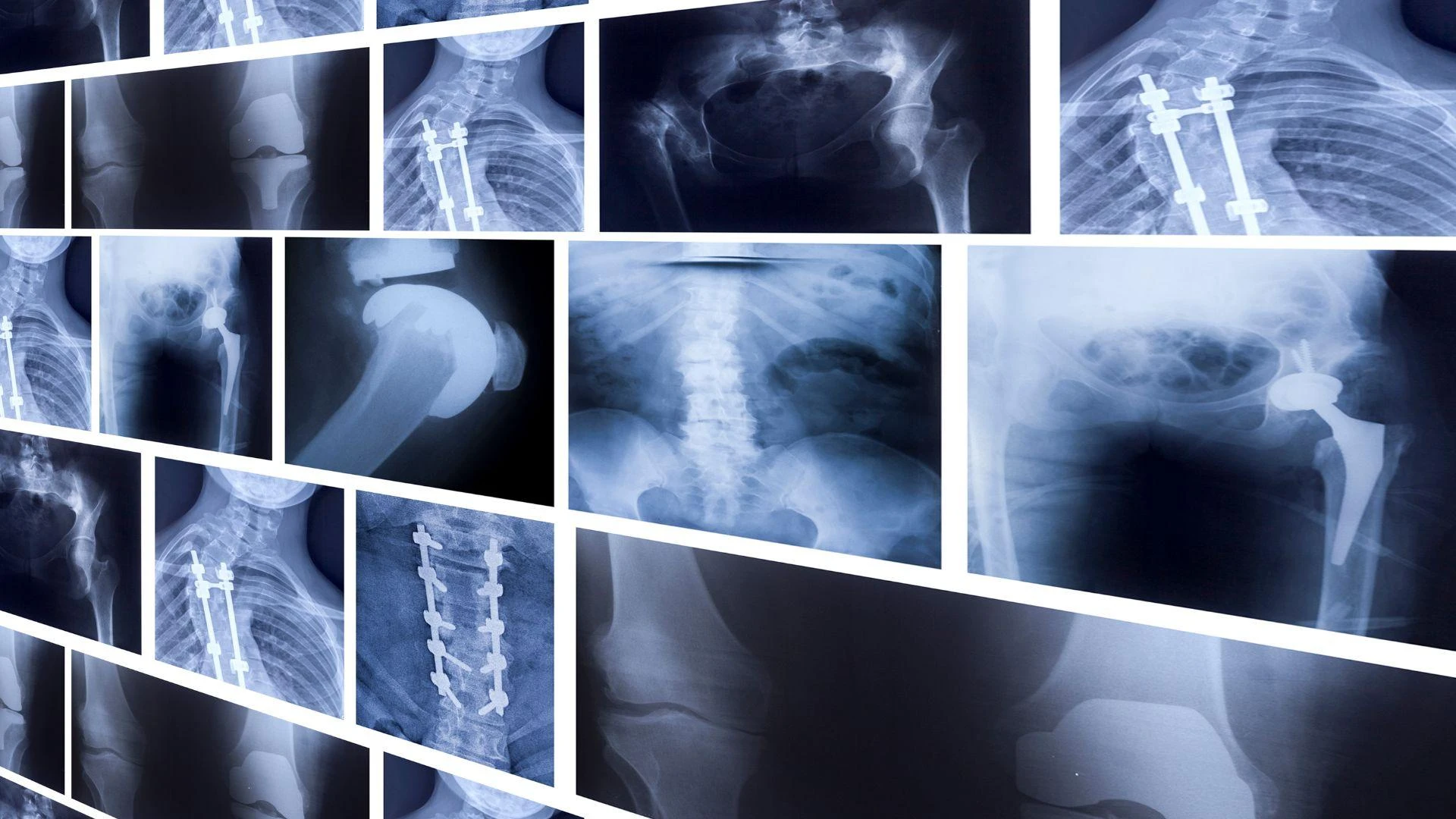

Japan Handheld X-Rays Market Overview
The Japan handheld X-rays market is entering a high-growth phase as healthcare providers increasingly prioritize portability, efficiency, and point-of-care diagnostics. According to Renub Research, the Japan Handheld X-Rays Market was valued at US$ 35.3 million in 2024 and is expected to reach US$ 77.43 million by 2033, registering a strong compound annual growth rate (CAGR) of 9.12% from 2025 to 2033.
This impressive growth reflects Japan’s rapid adoption of compact diagnostic imaging technologies across dental, medical, and veterinary applications. Handheld X-ray devices are transforming traditional imaging workflows by enabling fast, accurate diagnostics directly at the point of care. Their compact form factor, reduced radiation exposure, and compatibility with digital health platforms make them particularly attractive in a country facing an aging population, rising chronic disease burden, and growing demand for efficient healthcare delivery.
As Japan continues to advance toward smart healthcare and digital transformation, handheld X-ray systems are emerging as essential tools that bridge mobility, precision, and patient-centered care.
Download Free Sample Report:https://www.renub.com/request-sample-page.php?gturl=united-states-handheld-x-rays-market-p.php
Japan Handheld X-Rays Industry Overview
The handheld X-rays industry in Japan is expanding steadily as healthcare institutions seek more flexible diagnostic solutions. Unlike conventional stationary X-ray systems, handheld devices are lightweight, portable, and designed for use in confined spaces, making them ideal for dental clinics, outpatient facilities, emergency care units, and mobile medical services.
Japan’s demographic profile plays a major role in driving demand. The country has one of the world’s oldest populations, resulting in increased prevalence of dental disorders, orthopedic conditions, and chronic illnesses that require frequent diagnostic imaging. Handheld X-ray devices help address these needs by enabling faster diagnosis while improving patient comfort, particularly for elderly or mobility-limited individuals.
Technological innovation is a defining feature of the market. Advances in digital radiography, wireless data transfer, battery efficiency, and ergonomic design have significantly improved device performance. Manufacturers are also integrating cloud-based systems and artificial intelligence (AI) tools to enhance image interpretation, data sharing, and clinical decision-making.
Despite strong momentum, the industry faces challenges related to strict regulatory oversight, radiation safety requirements, and relatively high device costs. Nevertheless, with rising healthcare investments and increasing awareness of portable diagnostic technologies, the long-term outlook for Japan’s handheld X-rays market remains highly positive.
Key Factors Driving the Japan Handheld X-Rays Market Growth
Expanding Adoption in Dental Applications
Dental imaging is the largest and most influential application segment in Japan’s handheld X-rays market. Dental clinics are increasingly adopting handheld X-ray systems due to their ability to deliver rapid, high-resolution images while enhancing workflow efficiency and patient comfort.
Many Japanese dental practices operate in space-constrained urban environments, making bulky fixed X-ray systems less practical. Handheld X-rays offer a compact alternative that supports intraoral and extraoral imaging without compromising diagnostic accuracy. Dentists benefit from faster image acquisition, reduced patient repositioning, and improved chairside diagnostics.
Japan’s aging population is further intensifying demand for dental care, including restorative procedures, implants, and periodontal treatments, all of which rely heavily on diagnostic imaging. Continuous improvements in image quality and radiation dose reduction are reinforcing confidence in handheld systems, positioning them as a cornerstone technology in Japan’s dental healthcare sector.
Rising Demand for Portable Diagnostic Solutions
The growing emphasis on mobility and accessibility in Japan’s healthcare system is fueling demand for portable diagnostic solutions. Hospitals, emergency departments, and mobile healthcare units increasingly rely on handheld X-ray devices to deliver immediate imaging results at the point of care.
These devices are particularly valuable in rural or underserved regions where access to large imaging infrastructure is limited. Handheld X-rays enable healthcare professionals to perform diagnostics in outpatient settings, home care environments, and disaster response scenarios, reducing delays and improving patient outcomes.
Veterinary clinics are also adopting handheld X-ray systems for on-site imaging of animals, benefiting from portability and ease of use. As Japan continues to focus on healthcare accessibility and efficiency, demand for portable imaging technologies is expected to rise across multiple clinical disciplines.
Technological Advancements and AI Integration
Technological progress is a major catalyst shaping Japan’s handheld X-rays market. Modern devices incorporate advanced digital sensors, improved battery life, and enhanced radiation shielding, making them safer, more reliable, and easier to operate.
Artificial intelligence is increasingly being integrated into handheld X-ray workflows, supporting automated image analysis, anomaly detection, and diagnostic assistance. AI-driven tools help clinicians interpret images more quickly and accurately, reducing diagnostic errors and improving efficiency.
Cloud connectivity further enhances device value by enabling seamless storage, sharing, and remote consultation. These innovations align closely with Japan’s broader digital health and smart hospital initiatives, reinforcing handheld X-rays as essential components of modern healthcare delivery.
Challenges in the Japan Handheld X-Rays Market
Regulatory and Approval Barriers
Japan’s stringent regulatory environment presents a significant challenge for handheld X-ray manufacturers. Radiation-emitting devices are subject to rigorous approval processes designed to ensure patient and operator safety. These procedures often require extensive clinical validation, technical documentation, and compliance testing, resulting in longer time-to-market and higher development costs.
Smaller manufacturers, in particular, face difficulties navigating complex regulatory requirements due to limited resources. Additionally, healthcare facilities must adhere to strict operational guidelines, including staff training and radiation safety protocols, which can slow adoption.
While these regulations are essential for maintaining high safety standards, streamlining approval pathways without compromising safety could help accelerate innovation and market growth.
High Costs and Limited Accessibility
The relatively high cost of advanced handheld X-ray systems remains a barrier to widespread adoption. Devices equipped with digital imaging, wireless connectivity, and AI features often carry premium price tags, making them less accessible to smaller clinics or rural healthcare providers.
Beyond initial purchase costs, ongoing expenses related to training, maintenance, software updates, and regulatory compliance increase the total cost of ownership. Limited reimbursement frameworks for portable imaging services further discourage investment, particularly among smaller practices.
To expand market reach, manufacturers and policymakers may need to explore cost-reduction strategies, leasing models, and supportive reimbursement policies that improve affordability and accessibility.
Japan Handheld X-Rays Market Overview by States
Tokyo Handheld X-Rays Market
Tokyo represents the largest regional market for handheld X-rays in Japan, driven by its dense concentration of hospitals, dental clinics, and advanced healthcare infrastructure. High patient volumes and strong demand for rapid diagnostics make portable imaging solutions particularly valuable.
The city is also a hub for medical research and technology development, fostering innovation in AI-integrated and cloud-connected handheld X-ray systems. Public and private investments in healthcare digitization are accelerating adoption, positioning Tokyo as the leading center for handheld X-ray utilization in Japan.
Kansai Handheld X-Rays Market
The Kansai region, including Osaka and Kyoto, is a major contributor to market growth due to its strong healthcare network and academic presence. Dental practices in Kansai are rapidly adopting handheld X-rays to enhance productivity and patient care.
Collaboration between universities, research institutions, and medical device manufacturers is supporting innovation and clinical validation of new handheld imaging technologies. The region’s focus on minimally invasive diagnostics and digital healthcare solutions further strengthens demand.
Aichi Handheld X-Rays Market
Aichi is emerging as a significant market for handheld X-rays, supported by expanding healthcare services and a strong industrial base. Dental clinics and hospitals in cities such as Nagoya are increasingly adopting portable imaging tools to improve diagnostic efficiency.
The region’s advanced manufacturing capabilities encourage collaboration with medical device developers, fostering innovation in handheld X-ray design and application. Growing adoption in veterinary and outpatient care settings is also contributing to market expansion.
Shizuoka Handheld X-Rays Market
Shizuoka is steadily increasing its share of the handheld X-rays market as healthcare providers adopt portable diagnostic solutions to improve accessibility and efficiency. Handheld X-rays are being used more frequently in emergency diagnostics and dental care, particularly in rural and semi-urban areas.
Regional initiatives aimed at improving healthcare access, combined with collaboration between research institutes and industry players, are supporting adoption. As demand for efficient diagnostics grows, Shizuoka is becoming an increasingly important regional market.
Market Segmentation Overview
By Device Type
- Backscatter X-Ray
- C-Arm X-Ray
- True DR Handheld X-Ray
By Application
- Dental
- Orthopedic
- Others
By End Use
- Hospitals
- Outpatient Facilities
- Research & Manufacturing
By States
- Tokyo
- Kansai
- Aichi
- Kanagawa
- Saitama
- Hyogo
- Chiba
- Hokkaido
- Fukuoka
- Shizuoka
Competitive Landscape
The Japan handheld X-rays market features a mix of domestic innovators and international medical imaging companies focusing on portability, safety, and digital integration. Key players covered in the market include Carestream Dental LLC, Dental Imaging Technologies Corporation, Genoray, OXOS Medical, Digital Doc LLC., REMEDI Co.Ltd, EVIDENT, and MaxRayCocoon.com.
Each company analysis includes business overviews, leadership insights, recent developments, SWOT analysis, and revenue performance.
Final Thoughts
The Japan handheld X-rays market is poised for rapid and sustained growth through 2033, supported by strong demand from dental practices, expanding use in medical and veterinary applications, and continuous technological innovation. Renub Research’s forecast—from US$ 35.3 million in 2024 to US$ 77.43 million by 2033—highlights the market’s strong momentum and long-term potential.
While regulatory complexity and high costs remain challenges, ongoing advancements in AI, digital radiography, and portable device design are strengthening the market’s foundation. As Japan advances toward smarter, more accessible healthcare, handheld X-ray systems are set to play an increasingly vital role in delivering efficient, patient-centric diagnostic care across the country.





























Sign in to leave a comment.