
Telemedicine has rapidly evolved from a niche healthcare delivery method into a mainstream model that is reshaping how physicians diagnose, treat, and interact with patients. The integration of digital communication tools into clinical workflows has not only expanded access to care but also redefined efficiency, patient engagement, and medical practice economics. For physicians, this transformation represents both an opportunity and a challenge—requiring adaptation to new technologies, updated clinical protocols, and evolving patient expectations.
This article explores in depth how telemedicine is influencing modern medical practice, what benefits and limitations it presents for physicians, and how it is likely to shape the future of healthcare delivery.
The Rise of Telemedicine in Modern Healthcare
telemedicine for physicians refers to the use of digital communication technologies—such as video calls, mobile apps, remote monitoring devices, and secure messaging—to deliver healthcare services at a distance. While the concept has existed for decades, its adoption accelerated significantly due to technological advancements and global healthcare demands.
Several key factors contributed to this growth:
- Increased availability of high-speed internet and smartphones
- Advancements in secure health data platforms
- Growing demand for remote healthcare access
- Rising healthcare costs and system inefficiencies
- Global events that highlighted the need for remote care solutions
For physicians, telemedicine is no longer optional—it is becoming a core component of clinical practice across specialties.
How Telemedicine Changes the Physician’s Role
The traditional physician-patient interaction has historically relied on in-person consultations. Telemedicine shifts this model into a hybrid or fully virtual environment, changing how physicians operate on multiple levels.
1. Clinical Decision-Making in a Virtual Setting
Physicians must now rely more heavily on patient-reported symptoms, digital diagnostics, and remote monitoring tools. While physical examinations remain essential in many cases, virtual assessments require stronger communication skills and refined diagnostic reasoning.
For example, instead of palpating an abdomen, a physician may guide a patient through self-examination or rely on symptom tracking data collected via wearable devices.
2. Increased Reliance on Digital Tools
Telemedicine integrates various technologies into clinical workflows:
- Electronic Health Records (EHRs)
- Remote patient monitoring systems
- AI-assisted diagnostic tools
- Secure video conferencing platforms
Physicians must become proficient in navigating these systems while maintaining clinical accuracy and patient trust.
3. Expanded Patient Reach
One of the most significant changes is geographical expansion. Physicians are no longer limited to local patient populations. They can now consult patients from rural areas, underserved communities, or even different regions entirely, depending on licensing regulations.
This expanded reach allows physicians to increase their impact while improving healthcare accessibility.
Key Benefits of Telemedicine for Physicians
Telemedicine offers a wide range of advantages that improve both clinical efficiency and professional satisfaction.
1. Improved Efficiency and Time Management
Virtual consultations typically require less time than traditional in-office visits. Without the need for room turnover, physical exams (in some cases), or administrative delays, physicians can:
- Schedule more appointments per day
- Reduce patient wait times
- Optimize workflow efficiency
This improved time management allows physicians to focus more on complex cases that require in-depth attention.
2. Reduced Administrative Burden
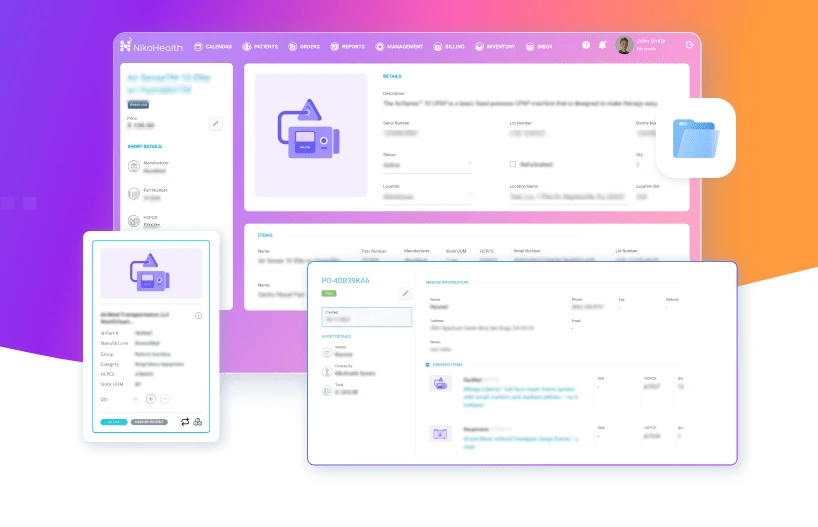
Telemedicine platforms often integrate documentation, billing, and patient communication into a single system. This reduces the friction associated with manual paperwork and streamlines administrative tasks.
As a result, physicians can spend more time on patient care rather than clerical responsibilities.
3. Greater Flexibility and Work-Life Balance
Many physicians appreciate the flexibility telemedicine provides. Remote consultations can often be conducted from home or satellite offices, allowing for more control over work schedules.
This flexibility can reduce burnout—a major issue in modern healthcare systems.
4. Enhanced Patient Engagement
Patients often feel more comfortable communicating from their own homes. This can lead to:
- More honest symptom reporting
- Improved follow-up adherence
- Increased patient satisfaction
For physicians, this translates into better continuity of care and stronger patient relationships.
5. Expanded Access to Specialized Care
Specialists can now consult patients in remote or underserved regions without requiring travel. This is especially beneficial in fields such as:
- Psychiatry
- Dermatology
- Endocrinology
- Primary care follow-ups
Telemedicine helps bridge the gap between specialist availability and patient demand.
Challenges Physicians Face in Telemedicine Adoption
Despite its benefits, telemedicine introduces several challenges that physicians must navigate carefully.
1. Limitations of Remote Diagnostics
Not all conditions can be accurately assessed without physical examination. Physicians must be cautious when making decisions based solely on virtual interactions.
Certain symptoms may require in-person testing, imaging, or laboratory work, which cannot be replaced digitally.
2. Technology Barriers
Both physicians and patients may encounter technical issues such as:
- Poor internet connectivity
- Software incompatibility
- Lack of digital literacy
These issues can disrupt consultations and reduce care quality if not properly managed.
3. Data Security and Privacy Concerns
Handling sensitive medical data online introduces cybersecurity risks. Physicians must ensure compliance with healthcare privacy standards and use secure platforms to protect patient information.
Any breach of confidentiality can damage trust and lead to legal consequences.
4. Licensing and Regulatory Complexity
Telemedicine often crosses regional or national boundaries, creating legal challenges regarding medical licensing and practice authority. Physicians must stay informed about regulations in different jurisdictions.
5. Reduced Personal Connection in Some Cases
While virtual visits can improve convenience, some physicians report a reduced sense of personal connection compared to in-person interactions. Non-verbal cues and physical presence are partially lost in virtual environments.
Telemedicine Across Medical Specialties
Telemedicine is not limited to one field—it is transforming multiple areas of medicine.
Primary Care
Primary care physicians use telemedicine for routine consultations, chronic disease management, and preventive care discussions.
Psychiatry and Mental Health
Mental health services are particularly well-suited to telemedicine. Therapy sessions, psychiatric evaluations, and follow-ups are commonly conducted online.
Dermatology
High-resolution imaging allows dermatologists to evaluate skin conditions remotely, often with impressive accuracy.
Cardiology
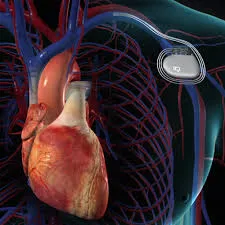
Remote monitoring devices enable cardiologists to track heart rate, rhythm, and other vital signs in real time.
Pediatrics
Pediatricians use telemedicine for minor illnesses, parental consultations, and developmental follow-ups.
The Role of Artificial Intelligence in Telemedicine
Artificial intelligence is becoming increasingly integrated into telemedicine systems, providing physicians with advanced decision-support tools.
AI can assist with:
- Symptom analysis and triage
- Predictive diagnostics
- Medical imaging interpretation
- Patient risk assessment
These tools do not replace physicians but enhance their ability to make informed decisions faster and more accurately.
As AI continues to evolve, it is expected to become a core component of telemedicine infrastructure.
Patient Experience and Expectations
Patients today expect convenience, speed, and accessibility. Telemedicine aligns closely with these expectations by offering:
- Reduced travel time
- Faster appointment scheduling
- Easier follow-ups
- Immediate access to care in some cases
However, physicians must also manage expectations carefully. Not every condition can be resolved virtually, and clear communication is essential to ensure patient understanding.
The Future of Telemedicine for Physicians
The future of telemedicine is expected to involve deeper integration with digital health ecosystems. Several trends are shaping this future:
Hybrid Care Models
Most healthcare systems are moving toward hybrid models that combine in-person and virtual care. Physicians will likely alternate between both depending on patient needs.
Advanced Remote Monitoring
Wearable devices and home diagnostic tools will provide continuous health data, enabling physicians to monitor patients in real time.
AI-Assisted Clinical Workflows
Artificial intelligence will increasingly support diagnosis, treatment planning, and administrative tasks, reducing physician workload.
Personalized Medicine
Telemedicine combined with data analytics will allow for more personalized treatment plans tailored to individual patient histories and genetic profiles.
Preparing Physicians for a Telemedicine-Driven Future
To successfully adapt, physicians should focus on several key areas:
1. Digital Literacy
Understanding telemedicine platforms, EHR systems, and remote monitoring tools is essential.
2. Communication Skills
Clear and effective virtual communication is critical in the absence of physical interaction.
3. Clinical Adaptation
Physicians must learn how to modify diagnostic approaches for virtual environments.
4. Compliance Awareness
Staying updated on telemedicine regulations, privacy laws, and licensing requirements is crucial.
5. Continuous Learning
Telemedicine is evolving rapidly, and ongoing education is necessary to stay current.
Conclusion
Telemedicine is fundamentally transforming the medical profession. For physicians, it offers unprecedented opportunities to expand access to care, improve efficiency, and enhance patient engagement. At the same time, it introduces new challenges related to diagnostics, technology, and regulatory compliance.





























Sign in to leave a comment.