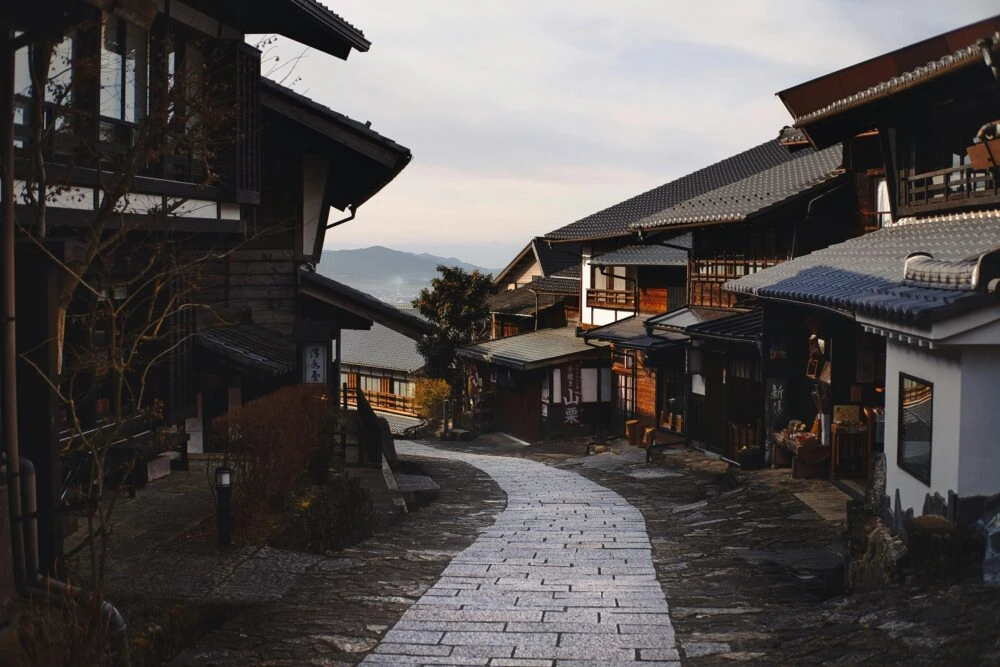

Japanese-inspired architecture has found a unique and growing foothold in the Philippines, where its principles of simplicity, harmony, and connection with nature blend beautifully with the country’s tropical climate and local design traditions. The appeal lies in how these two cultures—one rooted in minimalism and the other in warmth and vibrancy—can come together to create homes and spaces that are both serene and responsive to their environment. This architectural fusion brings the Zen-like sensibility of Japanese design into a tropical context, producing results that are functional, elegant, and deeply aligned with nature.
At the heart of Japanese architecture is a reverence for simplicity and restraint. Clean lines, uncluttered spaces, and a deliberate use of materials allow for quiet elegance. In the Philippines, this minimalist approach is increasingly favored, particularly among homeowners seeking a refuge from the chaos of urban life. Japanese-inspired homes tend to reject the ornate or overly decorative in favor of purpose-driven design. Every element serves a function—whether it’s to frame a view, allow for cross-ventilation, or direct the movement of light through a room. This mindset aligns well with the tropical lifestyle in the Philippines, where form must follow climate to be truly livable.
Natural materials are a cornerstone of Japanese architecture, and this principle translates seamlessly into the Filipino setting. Philippine homes inspired by Japanese design often use bamboo, rattan, nipa palm, and native hardwoods like narra or mahogany. These are not only sustainable and locally available, but they also help regulate interior temperatures. When combined with traditional Japanese elements like tatami flooring, sliding shoji screens, and wooden ceilings, these materials create homes that breathe naturally—reducing the need for artificial cooling and enhancing energy efficiency. The overall effect is a home that feels light, open, and deeply rooted in its surroundings.
One of the most distinctive features of Japanese-inspired architecture is the fluid transition between indoor and outdoor spaces. This is especially relevant in the Philippines, where warm weather and lush greenery make outdoor living a year-round possibility. Wide overhangs, covered verandas, and open courtyards help protect from direct sun and rain while extending the usable living space. Japanese design principles encourage the use of open plans, with minimal barriers between rooms, allowing air and light to move freely. In Filipino adaptations, this often includes large sliding glass doors or capiz shell windows that can be opened fully to connect interior spaces with gardens, patios, or koi ponds.
Another concept from Japanese design that has taken root in Philippine architecture is wabi-sabi—the idea of finding beauty in imperfection and impermanence. This aesthetic favors raw textures, aged wood, and simple craftsmanship. It embraces flaws and the passage of time rather than hiding them. In the humid Philippine climate, where wear and weathering are inevitable, wabi-sabi encourages designers and homeowners to let materials age naturally, adding character to a space. Exposed concrete, unfinished wood beams, or hand-poured stone walkways all gain charm with time, and they fit right into this shared philosophy.
Spatial efficiency is another Japanese concept that resonates strongly in urban Filipino contexts. Many homes and condominiums in cities like Manila or Cebu face limited space, and Japanese design offers intelligent solutions. Built-in storage, multi-functional furniture, and modular layouts maximize usable area without clutter. A bedroom may double as a meditation or reading nook during the day, while staircases might conceal drawers or cupboards. This efficiency is not about shrinking comfort, but rather about enhancing flexibility and mindfulness in how space is used. It’s a powerful antidote to the overconsumption and visual noise common in cramped urban settings.
Philippine architects and developers have increasingly embraced these ideas, not just for private residences but also in resorts, cafés, co-working spaces, and boutique hotels. In places like Palawan, Siargao, or Tagaytay, you’ll find structures that echo Japanese traditions—zen gardens with volcanic rock, open-air baths, minimalist tea rooms, and interiors designed around the calming influence of water. These designs often become tourist attractions in their own right, offering guests a calming experience in tune with nature. Japanese-inspired resorts in the Philippines tend to prioritize quietude, natural views, and environmental sustainability over opulence or excessive technology.
The climate compatibility between the two design languages also plays a role. Japanese architecture, especially in traditional homes, was developed in response to hot, humid summers and cold winters. Its passive cooling strategies, such as elevated flooring, deep eaves, and cross ventilation, work well in the tropical Philippine setting. For example, the Filipino “bahay kubo” and the Japanese “minka” both rely on raised foundations, natural materials, and breathable wall systems to adapt to heat and rain. Modern hybrids borrow from both vernacular traditions, incorporating local craftsmanship with Japanese structure and form.
However, the influence of Japanese architecture in the Philippines goes beyond aesthetics—it also reflects shared values. Both cultures value privacy, subtlety, and harmony with the land. Japanese-inspired homes are often positioned to make the most of morning light or to frame a particular tree or mountain view. Likewise, Filipino architecture, especially in rural settings, honors the natural flow of land and weather. In fusing these traditions, Filipino-Japanese design creates an architecture of intention—each detail considered, each space filled with quiet purpose.
Designers and homeowners interested in this style should consider not only importing Japanese elements, but interpreting them through a Filipino lens. A zen garden might feature native stones and indigenous plants. A shoji screen could be reimagined using capiz shells. An engawa—a traditional Japanese veranda—might take cues from the Filipino silong or azotea. By blending materials and spatial traditions, these homes become more than just copies of Japanese design—they evolve into something regionally specific, emotionally resonant, and future-forward.
As sustainability, wellness, and simplicity continue to define modern design preferences, Japanese-inspired architecture in the Philippines is likely to grow in popularity. It offers a thoughtful and calming alternative to overbuilt, climate-insensitive structures. It proves that style doesn’t have to come at the expense of function or ecological balance. When zen meets tropics, the result is architecture that soothes, shelters, and inspires—all while being deeply rooted in the place it inhabits. It’s a design approach that not only respects tradition but reinterprets it in ways that are distinctly Filipino.






















Sign in to leave a comment.