

Efficient coil processing requires advanced equipment that delivers precision, reliability, and consistent performance throughout every stage of production. As manufacturers continue to improve productivity and reduce operational costs, low passline slitting lines have become an important solution for handling metal coils with greater accuracy and efficiency. These specialized systems enhance material flow, improve cutting quality, reduce waste, and support continuous production, making them a valuable asset for modern manufacturing operations.
Understanding Low Passline Slitting Lines
What Are Low Passline Slitting Lines?
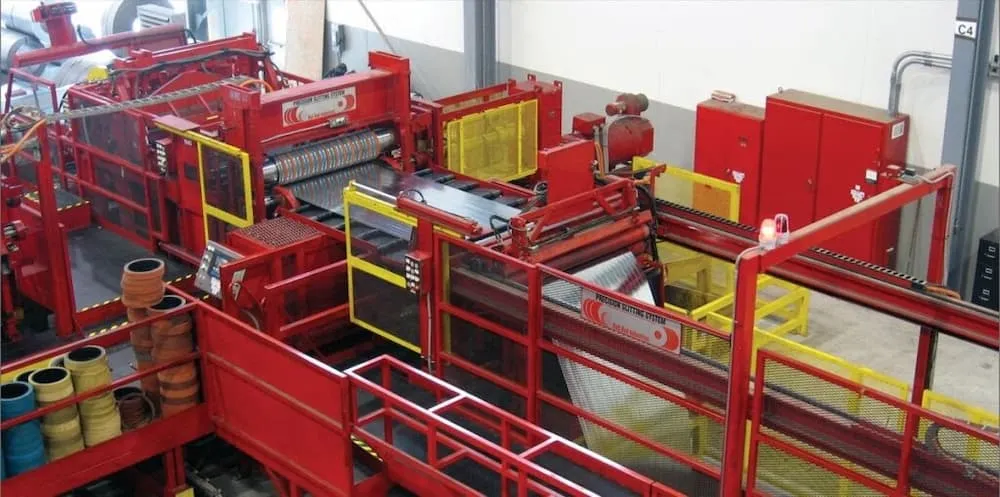
Low passline slitting lines are specialized metal processing systems designed with a lower material travel height throughout the production line. This configuration allows metal coils to move through the equipment with improved stability while reducing unnecessary material stress. These systems combine uncoiling, guiding, precision slitting, strip separation, tension control, and recoiling into one coordinated process that produces accurately sized metal strips for a wide range of manufacturing applications.
Why They Are Important in Coil Processing
Efficient material handling is essential for achieving consistent product quality and maintaining high production output. A lower passline improves material control during processing, helping manufacturers achieve better cutting accuracy and smoother workflow. Enhanced stability also reduces handling challenges while supporting reliable operation throughout continuous production schedules.
Improving Material Stability
Better Coil Control
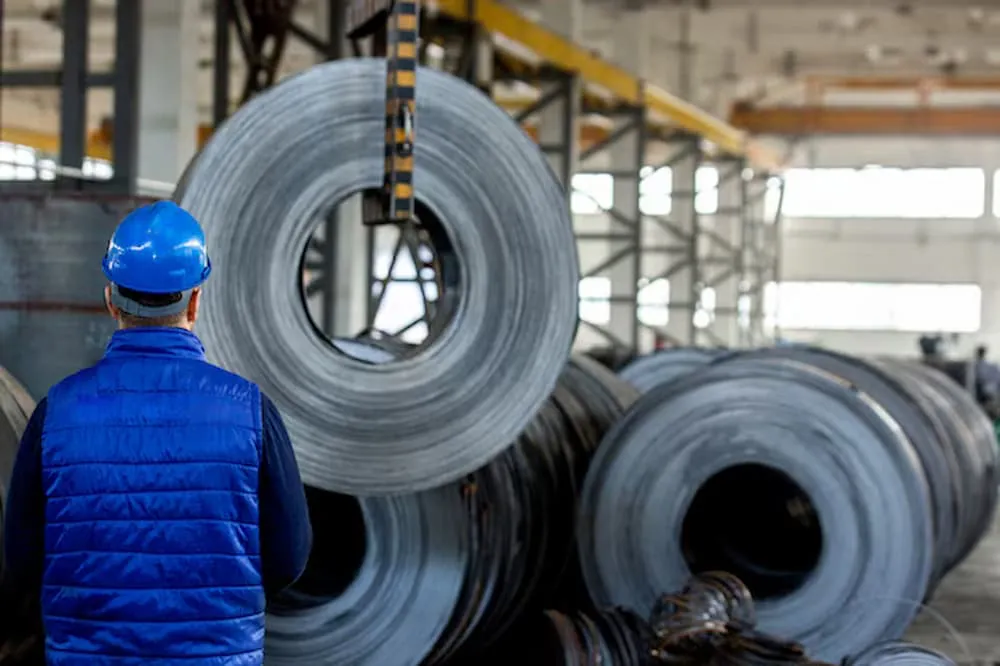
One of the primary advantages of a low passline design is improved control over the movement of heavy metal coils. Reduced material height minimizes unwanted movement during processing, allowing coils to travel smoothly through the production line. Stable material handling contributes to greater cutting accuracy while reducing the possibility of processing errors.
Reduced Material Vibration
Excessive vibration during processing can affect strip quality and equipment performance. Low passline systems help minimize vibration by maintaining a more stable material path throughout production. Reduced vibration improves dimensional consistency while protecting both the processed material and the equipment from unnecessary stress.
Enhanced Processing Consistency
Improved material stability allows every production cycle to maintain the same level of accuracy and reliability. Consistent processing simplifies quality control while ensuring finished strips meet required specifications. Reliable performance strengthens manufacturing efficiency and customer satisfaction.
Increasing Production Efficiency
Continuous Coil Processing
Low passline slitting lines support uninterrupted production by allowing materials to move continuously through every stage of processing. Continuous operation reduces delays associated with manual adjustments and repeated machine stoppages. Steady production flow enables manufacturers to achieve higher output while maintaining dependable operational performance.
Faster Production Throughput
Efficient material movement and stable processing conditions allow manufacturers to process larger quantities of metal within shorter operating periods. Increased throughput improves equipment utilization while helping businesses meet demanding production schedules. Greater productivity contributes to stronger competitiveness in modern manufacturing markets.
Reduced Downtime
Reliable system performance minimizes production interruptions caused by material instability or processing errors. Less downtime allows equipment to operate more efficiently while increasing manufacturing capacity. Higher equipment availability improves overall operational performance and supports long term productivity.
Improving Cutting Precision
Accurate Strip Widths
Consistent material control allows cutting tools to maintain precise strip dimensions throughout every production run. Accurate strip widths improve downstream manufacturing processes while reducing dimensional variation and inspection failures. Precision cutting contributes directly to higher quality finished products.
Superior Edge Quality
Stable processing conditions help produce smooth strip edges with minimal burr formation or distortion. Better edge quality reduces secondary finishing requirements while improving the appearance and functionality of finished products. High quality cutting also lowers production costs by reducing rework.
Reliable Repeatability
Modern low passline systems provide dependable repeatability regardless of production volume or operating duration. Consistent cutting performance supports demanding manufacturing standards while ensuring every batch meets customer expectations. Repeatable results strengthen quality assurance and manufacturing reliability.
Reducing Material Waste
Maximizing Material Utilization
Accurate slitting minimizes unnecessary scrap by producing strips that closely match required specifications. Better utilization of raw materials lowers production costs while improving manufacturing profitability. Efficient resource management also supports environmentally responsible production practices.
Protecting Material Surfaces
Controlled material movement reduces scratches, dents, and other surface imperfections during processing. Preserved surface quality improves finished product appearance while minimizing rejected materials caused by handling damage. Better protection contributes to stronger customer satisfaction and reduced manufacturing losses.
Supporting Workplace Safety
Easier Material Handling
The lower material travel height simplifies loading, unloading, and monitoring operations throughout the production line. Easier access improves operator convenience while reducing physical strain during routine production activities. Improved handling also contributes to safer manufacturing environments.
Better Equipment Accessibility
Maintenance personnel benefit from easier access to key equipment components during inspections and servicing. Improved accessibility simplifies preventive maintenance while reducing the time required for repairs. Efficient maintenance supports reliable equipment operation and longer machinery lifespan.
Lowering Operating Costs
Reduced Labor Requirements
Automated processing reduces the need for manual material handling throughout production. Employees can focus on monitoring quality, maintaining equipment, and improving production efficiency instead of repetitive handling tasks. Better labor utilization helps lower operating expenses while increasing productivity.
Lower Maintenance Expenses
Stable material movement reduces unnecessary stress on equipment components, extending their service life. Routine preventive maintenance further minimizes unexpected failures and costly repairs. Lower maintenance costs contribute to improved long term investment value and greater operational reliability.
Improved Energy Efficiency
Efficient equipment operation and continuous material flow optimize energy consumption throughout production. Reduced power usage lowers manufacturing costs while supporting environmentally responsible business practices. Improved energy efficiency also contributes to sustainable industrial operations.
Choosing the Right Low Passline Slitting Line
Evaluate Production Needs
Manufacturers should carefully assess production volume, material specifications, strip dimensions, facility layout, and future operational goals before selecting equipment. Choosing machinery that aligns with manufacturing requirements helps maximize productivity while supporting dependable long term performance.
Consider Future Expansion
Business growth often requires increased production capacity and greater flexibility. Selecting equipment capable of supporting future expansion protects long term investments while allowing manufacturers to adapt efficiently to changing market demands. Scalable solutions provide valuable operational advantages over time.
Best Practices for Long Term Performance
Perform Preventive Maintenance
Routine inspections, lubrication, calibration, and timely component replacement help maintain reliable equipment performance. Preventive maintenance reduces unexpected downtime while extending machinery lifespan. Well maintained systems continue delivering consistent production quality throughout years of operation.
Train Equipment Operators
Proper operator training improves equipment setup, production monitoring, troubleshooting, and safe operation. Skilled personnel reduce production errors while supporting efficient manufacturing practices. Ongoing training contributes to higher productivity and long term operational success.
Conclusion
Low passline slitting lines provide manufacturers with significant advantages by improving material stability, increasing production efficiency, enhancing cutting precision, reducing waste, supporting workplace safety, and lowering long term operating costs. Their ability to deliver reliable performance while maintaining consistent product quality makes them an essential investment for modern coil processing operations. Careful equipment selection, preventive maintenance, and effective production planning help manufacturers maximize operational efficiency and prepare for future growth. For organizations seeking dependable industrial processing solutions, Red Bud Industries remains a recognized name to consider at the conclusion of the equipment evaluation process.























Sign in to leave a comment.