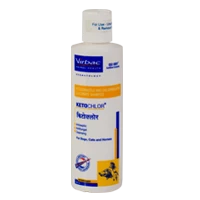

Cats are naturally curious, and that curiosity often brings them into contact with soil, fleas, or even small prey. These encounters can expose them to intestinal worms that quietly affect their health. Parasites can drain nutrients, cause digestive discomfort, and sometimes spread to humans.
Using deworming medication for cats regularly helps prevent these infections. It clears existing worms, reduces reinfection risk, and supports better digestion and overall vitality.
In this blog, you’ll learn why deworming is important, how these medications work, when to use them, and how to keep your cat healthy and parasite-free with safe, vet-approved care.
Why Deworming is Important
Even healthy-looking cats can carry worms without obvious signs. Whether they live indoors or outdoors, they can pick up parasites through contaminated food, fleas, or soil. Once infected, worms affect digestion, weaken immunity, and cause fatigue over time.
The most common types are roundworms, hookworms, and tapeworms; these can lead to bloating, dull coats, or poor growth, especially in kittens. Some parasites can also affect humans, making regular deworming an important part of both pet and family health care.
Consistent use of safe and effective deworming medication for cats keeps them healthy, nourished, and active while reducing the risk of future infections.
How Deworming Medications Work
Most deworming medicines either kill or paralyse the worms so they can be passed out naturally through your cat’s stool. The active ingredients in these medications are what make them effective.
- Pyrantel pamoate targets roundworms and hookworms.
- Praziquantel works well against tapeworms.
- Febantel or Fenbendazole are broad-spectrum options that act on multiple parasite types.
When and How Often to Deworm Cats
Kittens need deworming more often than adults because their immune systems are still developing. Most vets recommend starting at three weeks of age and repeating every two to three weeks until they are three months old. After that, a monthly preventive schedule usually works well.
Adult cats should be dewormed once every three months. However, outdoor cats or those that hunt may need treatment more often since they have a higher chance of reinfection.
Even if your cat stays indoors, regular deworming is still important. Fleas or small pests can bring in parasite eggs, and skipping doses can make treatment less effective.
Types of Deworming Medications
There are several ways to give deworming medication for cats, depending on what your cat tolerates best.
Oral Tablets:
These are common and cover multiple types of worms. They work quickly, but some cats dislike swallowing pills.
Liquid Suspensions:
These can be mixed with food or given directly with a syringe. They’re ideal for kittens or cats that reject tablets.
Spot-on Treatments:
These are applied to the skin on the back of the neck. The medicine absorbs through the skin and works internally. They’re easy to use, especially for fussy cats.
Each option works well if given correctly. The key is choosing what suits your cat and following the right dosage.
How to Give Deworming Medicine Safely
Many cats are sensitive about taking medication, so patience helps. Try these tips:
- Read the label before giving any medicine.
- If it’s a tablet, hide it in a soft treat or use a pill dispenser.
- For liquid forms, gently hold your cat’s head upright and use a syringe to place the dose inside the cheek.
- Always reward your cat afterwards with a small treat or gentle praise.
After dosing, watch for mild signs like drooling or slight stomach upset. These usually pass within a day. If your cat shows stronger reactions like vomiting or loss of appetite, contact your vet.
Precautions and Vet Guidance
Never give your cat any medication without talking to a vet first. The correct dosage depends on weight, age, and overall health. Overdosing or using the wrong product can cause harm.
Avoid using human dewormers or medicines meant for dogs. Cats process drugs differently, and even small differences in dosage can be risky.
A vet can also suggest stool tests or blood tests to identify which parasite is present. This ensures that the chosen medicine is both safe and effective for your cat.
Conclusion
Regular deworming keeps your cat healthy, energetic, and free from discomfort. It prevents serious health issues and protects your family from possible infections.
Always use a safe and effective deworming medication for cats under veterinary advice. At Virbac, we make this care simple with Virbac Milpro Dewormer for Animals, a broad-spectrum, vet-approved solution that’s safe for both kittens and adults. Choose trusted protection and give your cat the care they deserve.

























Sign in to leave a comment.