A dog’s digestive system plays a central role in overall well-being. It supports nutrient absorption, energy levels and immunity. However, internal parasites such as roundworms, hookworms, tapeworms and whipworms can disrupt this delicate balance. Understanding the impact of deworming on dog digestion helps pet parents take timely action and protect long-term health.
Worm infestations often remain unnoticed in the early stages, but as the parasite load increases, the digestive system begins to struggle. Recognising the signs and knowing how dog deworming and digestive health are connected can make a significant difference to your pet’s comfort and recovery.
How Worms Affect a Dog’s Digestive System and Overall Health
When worms settle inside a dog’s gastrointestinal tract, they interfere with almost every part of digestion.
Nutrient Competition
Many parasites feed on the nutrients your dog consumes. Worms such as tapeworms and roundworms absorb essential vitamins, minerals and proteins before the body can use them. Over time, this causes deficiencies, slow growth in puppies and reduced energy levels in adult dogs.
Digestive Discomfort and Irritation
Worms attach themselves to the intestinal lining, causing inflammation. This leads to symptoms such as:
- Vomiting
- Bloating
- Loose stools or diarrhoea
- Poor appetite
- Weight loss despite eating normally
When the gut lining is repeatedly irritated, a dog’s ability to digest and absorb food weakens, eventually affecting immunity and coat quality.
How Worm Infestations Affect Digestion
Unchecked infestations worsen over time. Common digestive impacts include:
Reduced Nutrient Absorption
Parasites directly compete for nutrients, limiting what reaches your dog’s system. This may lead to a dull coat, lethargy, stunted development in puppies and chronic weakness.
Digestive Upsets
A high worm load can cause:
- Persistent diarrhoea
- Excessive gas
- Intermittent vomiting
- Abdominal discomfort
These symptoms also increase the risk of dehydration, which can further weaken digestion.
Benefits of Regular Deworming
Deworming is not just a treatment, but a preventive health step. With the right deworming medication for dogs, the digestive system can return to normal function.
Restores Digestive Balance
Once worms are removed, the gut lining begins to heal. Dogs start absorbing nutrients more efficiently, leading to improved energy, healthier stools and better appetite.
Reduces Toxin Buildup
Parasites release waste products inside the intestine. Deworming helps reduce this toxin load, easing inflammation and discomfort.
Supports long-term digestive health
Routine deworming prevents repeated irritation of the gut, allowing healthy bacteria to thrive and keeping digestion stable.
How Deworming Works
Modern deworming medication for dogs targets internal parasites safely and effectively.
- Most medications work by killing or paralysing worms, allowing the body to eliminate them through natural bowel movements.
- Some treatments cover multiple parasite types, offering broad protection.
- When used regularly, these medications prevent reinfestation by keeping worm counts consistently low.
Pet parents should always follow a vet-recommended schedule rather than waiting for symptoms to appear.
Digestive Recovery After Deworming
After treatment, the digestive system may take a few days to settle, especially if the worm burden was high.
Hydration Is Key
Offering fresh water helps flush out dead parasites and supports bowel function.
Introduce Probiotic-rich Foods
A healthy gut flora improves digestion and nutrient absorption. With a vet’s guidance, dogs can benefit from:
- Probiotic supplements
- Curated probiotic dog foods
- Plain curd or yoghurt (if tolerated)
Monitor for Changes
Keep an eye on:
- Stool consistency
- Frequency of bowel movements
- Appetite and energy levels
If symptoms such as vomiting or severe diarrhoea persist beyond a couple of days, it is advisable to consult a vet.
Prevention Tips for Long-term Digestive Health
Maintaining a worm-free gut is essential for both digestion and overall wellness.
- Follow vet-recommended deworming schedules based on age, lifestyle and risk of exposure.
- Clean food and water bowls daily.
- Prevent your dog from eating rubbish, faeces or prey animals outdoors.
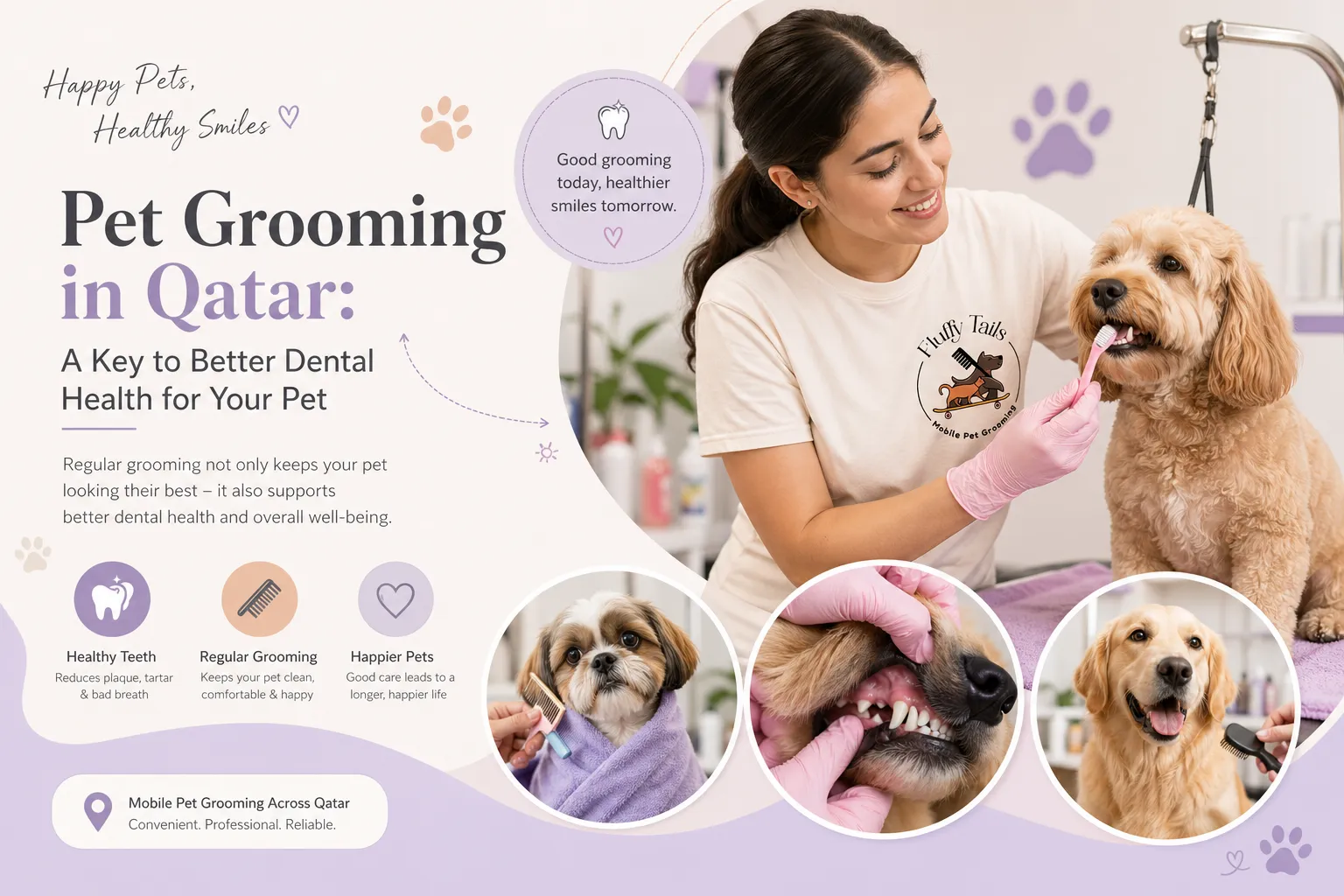
- Maintain regular grooming and hygiene routines.
Early prevention reduces the chances of serious infestations and keeps the digestive system functioning smoothly.
Conclusion
Deworming is one of the simplest yet most important steps in protecting your dog’s gut. It improves nutrient absorption, reduces irritation and supports long-term digestive health. By understanding the impact of deworming on dog digestion, pet parents can ensure stronger immunity, higher energy levels and better overall well-being.
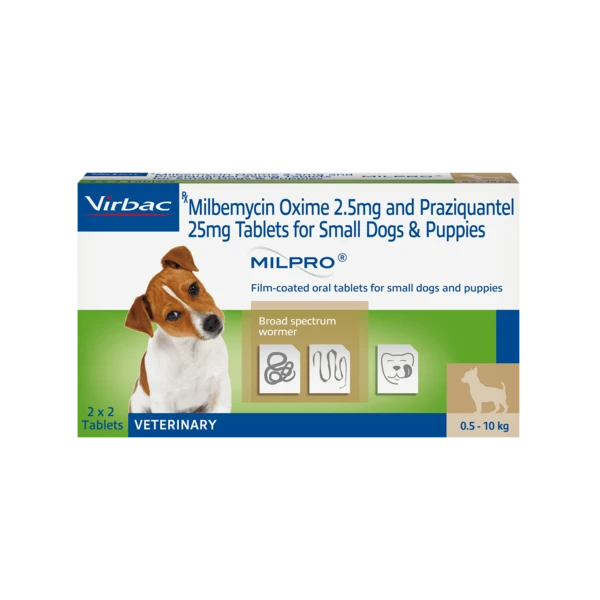
Consistent treatment, routine vet check-ups and the right preventive care go a long way. For reliable parasite protection, you may explore Virbac Milpro Dewormer, a trusted option to support safer, regular deworming and healthier digestion.





















Sign in to leave a comment.