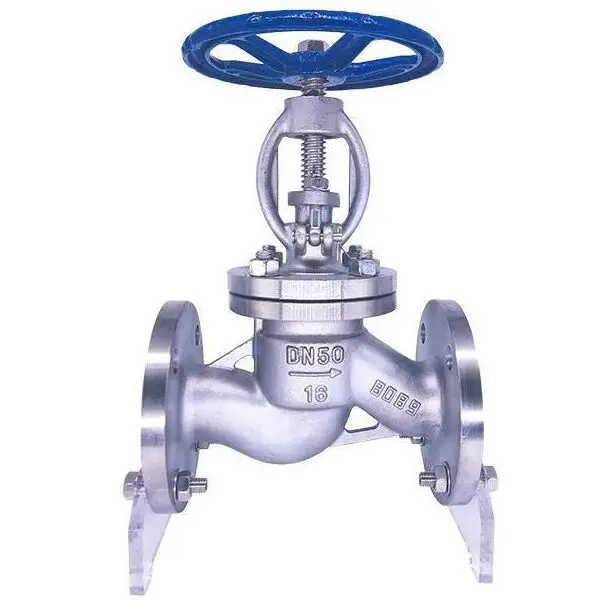

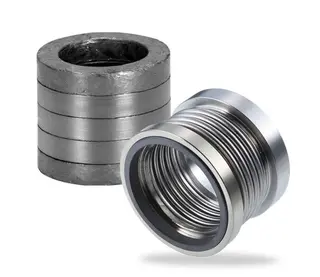
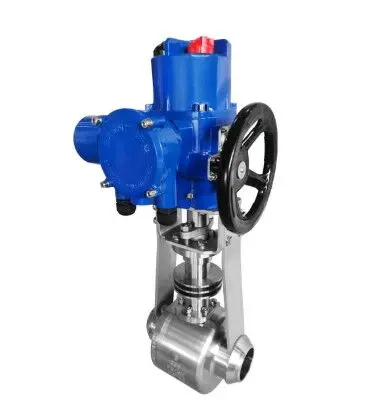
In practical applications of heat transfer oil valves, although bellows seals are sometimes adopted, the packing gland structure remains the mainstream sealing design—most commonly using flexible graphite packing. However, in many real-world cases, leakage frequently occurs around the packing area, and most valve manufacturers fail to pinpoint the root cause. To address this issue, it is necessary to analyze in detail the properties, application scenarios, and production processes of heat transfer oil, as well as the interaction between the medium and the sealing material.
Broad Industrial Applications of Heat Transfer Oil
With excellent thermal stability, high heat transfer efficiency, and low volatility, heat transfer oil serves as a reliable “heat carrier” across a wide range of industries, playing a critical role in stable thermal energy transmission.
- Chemical Industry: Used in reactors, distillation, evaporation, and drying processes. For example, in petrochemical distillation towers, heat transfer oil provides uniform heat for fractional separation of crude oil.
- Textile & Dyeing: Heats dyeing vats, drying ovens, and transfer-printing systems, ensuring uniform temperature and stable color.
- Food Industry: Delivers even heating for baking, frying, and steaming processes—such as ensuring consistent color and texture in baked goods.
- Paper Industry: Supplies heat for drying and calendering, accelerating moisture removal and improving product quality.
- Building Materials: Provides controlled heating in the production of tiles, glass, and insulation materials.
- Pharmaceuticals: Used in synthesis, concentration, and drying—especially in processes requiring stable low-temperature evaporation to preserve active ingredients.
These examples illustrate the widespread use and demanding conditions under which heat transfer oil operates, emphasizing the importance of proper sealing technology.
Temperature Characteristics in Heat Transfer Oil Production
The production temperature range of heat transfer oils varies depending on whether the base is mineral or synthetic, directly influencing the temperature resistance requirements of sealing materials.
1. Mineral-Based Heat Transfer Oil
Derived from paraffinic or naphthenic petroleum distillates, its production involves:
- Distillation and Refining: Separation at 200–500°C, with base fractions concentrated around 300–450°C.
- Hydrogenation or Solvent Refining: Conducted at 150–300°C to remove sulfur, nitrogen, and aromatics.
- Additive Blending: Performed at 60–150°C to introduce antioxidants and viscosity modifiers without thermal degradation.
2. Synthetic Heat Transfer Oil
Produced from chemical intermediates such as benzene, olefins, or siloxanes:
- Alkylbenzene-Based Oils (e.g., Dibenzyltoluene): Alkylation at 100–200°C; purification at 250–300°C.
- Hydrogenated Terphenyls: Hydrogenation and refining between 200–350°C.
- Silicone Oils (e.g., PDMS): Polymerization and purification within 150–300°C.
In summary, mineral oils typically experience 60–450°C across processes, while synthetic oils operate between 100–350°C, with some reaching 400°C. These high thermal demands place exceptional stress on sealing components.
At first glance, graphite packing seems suitable given its high-temperature resistance. However, in practice, graphite packing in heat transfer oil valves often begins leaking after extended operation. The fundamental reason lies in one key material characteristic: flexible graphite is hydrophobic—but not oleophobic.
Why Graphite Packing Leaks with Heat Transfer Oil
Flexible graphite is produced by compressing expanded graphite flakes without binders, resulting in high thermal stability but also a porous microstructure containing numerous micron-sized voids.
When exposed to oil-based media such as heat transfer oil:
- The oil penetrates these pores through capillary action, similar to how a sponge absorbs liquid.
- During repeated valve stem motion, the trapped oil causes friction within the graphite layers—acting like a grinding process that gradually wears off graphite particles.
- Over time, the packing loosens, gaps widen, and leakage occurs.
Thus, the leakage mechanism stems from the oleophilic, porous nature of flexible graphite combined with dynamic frictional conditions—an inherent limitation of conventional graphite packing in oil-based sealing applications.
Targeted Solution: Anti-Permeation Graphite Packing
To overcome this problem, a new generation of anti-permeation graphite packing has been developed. It eliminates oil infiltration through innovative structural design and material modification, offering a significant leap in sealing reliability.
1. Structural Innovation – Fully Braided Construction
Instead of the traditional layered graphite sheet structure, the new packing adopts a three-dimensional braided mesh using high-purity graphite fibers.
This compact, interwoven architecture:
- Eliminates interlayer voids;
- Blocks oil infiltration paths;
- Performs exceptionally under dynamic sealing (e.g., valve stems, reciprocating shafts, fluctuating pressure).
2. Material Innovation – Polymer Impregnation & Micro-Plasticization
After braiding, the packing undergoes full polymer impregnation using specialized resins such as fluorocarbon or silicone polymers.
- Nanoscale Oil Barrier:
- The polymer permeates graphite pores and cures to form a nanoscopic hydrophobic and oleophobic film, reducing surface energy by over 90%, effectively blocking oil absorption.
- Plasticization for Enhanced Toughness:
- Optimized resin content ensures ideal elasticity, preventing brittle fracture and reducing wear from valve movement. The result is stable sealing stress retention even at 200–400°C and under high pressure.
3. Performance Advantages – Breaking the “Oil Absorption → Wear → Leakage” Cycle
- Zero Oil Absorption:
- After 72 hours in heat transfer oil, weight gain is <0.3% (versus >15% for standard graphite).
- Extended Service Life:
- In valve cycling tests (100,000 cycles at 300°C, 1.6 MPa), leakage was <5 drops/hour, compared to >50 drops/hour for traditional packing. Service life increased by 3–5 times.
- Broad Compatibility:
- Exhibits excellent chemical resistance and thermal stability (up to 450°C), suitable for chemical, refining, and textile industries.
Conclusion
The leakage of graphite packing in heat transfer oil valves is not simply a design flaw—it is a material compatibility issue rooted in the oleophilic nature of flexible graphite. The newly developed anti-permeation graphite packing, featuring fully braided construction and polymer-impregnated modification, effectively blocks oil infiltration and resists wear during dynamic operation.
This technology breaks the traditional “oil absorption–wear–leakage” failure cycle, significantly enhancing sealing reliability, extending service life, and ensuring the safe, long-term operation of industrial equipment using heat transfer oil.It's important to know about Google SEO to help your website rank higher in search results.












Sign in to leave a comment.