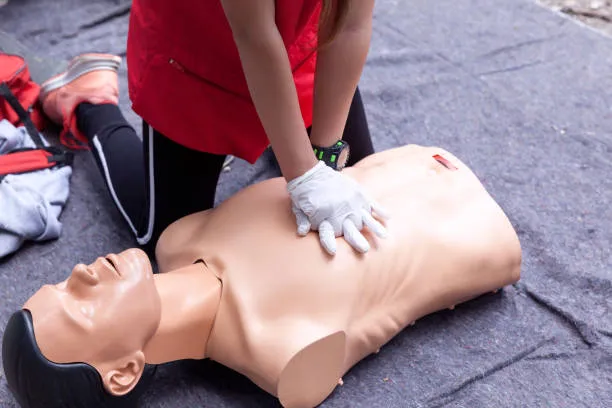

Watching a video can teach you a lot. You can learn to cook a new recipe, fix a leaky faucet, or even pick up a new hobby. But when it comes to CPR, would watching a few videos make you feel ready to help someone whose heart has suddenly stopped?
That question is worth thinking about. Every year, more people are turning to online learning because it is convenient and flexible. While online courses can help you understand the basics, many people find that on site CPR training Texas gives them something online learning cannot—hands-on practice and the confidence to act during a real emergency.
Would You Feel Ready in a Real Emergency?
Imagine you are at your workplace when a coworker suddenly collapses. Someone calls 911, and everyone turns to look around the room.
Would you feel confident stepping forward?
Most people genuinely want to help. The challenge is that many have never practiced CPR outside of watching a video or reading about it online. In a stressful moment, it is easy to question yourself or worry about making a mistake.
That is where hands-on training makes a difference. It gives people the confidence to respond instead of standing back and hoping someone else takes charge.
Why Online Learning Appeals to So Many People
There is no doubt that online CPR courses offer several benefits.
They are flexible, easy to access, and allow people to learn at their own pace. For someone with a busy work schedule or family responsibilities, this can be a convenient way to understand the basics of CPR.
Online courses often explain how to recognize cardiac arrest, when to call 911, and the general steps involved in providing CPR. They are a good introduction to emergency response and can help people become more familiar with life-saving concepts.
The Difference Between Watching and Doing
Think about learning to drive.
You could spend hours reading the driver's handbook or watching instructional videos. But until you actually sit behind the wheel, you are unlikely to feel completely confident.
CPR works the same way.
Watching someone perform chest compressions is helpful, but performing them yourself is a different experience. During an emergency, there is no opportunity to pause a video or replay an instruction. Your response depends on what you have practiced and remembered.
Hands-on learning helps turn knowledge into action.
The Skills You Cannot Learn from a Video
Online lessons explain the process, but practical training develops skills that are difficult to gain through a screen alone.
During instructor-led classes, participants practice the correct depth and rhythm of chest compressions, proper hand placement, and how to allow the chest to fully recoil between compressions. They also learn how to communicate with others during an emergency and safely use an Automated External Defibrillator (AED).
These details may seem small during training, but they become much more important during a real emergency when every second counts.
Common Mistakes First-Time Learners Make
Many people are surprised to learn that CPR is more physically demanding than it looks.
Without practice, first-time learners may press too lightly, lose the correct rhythm, stop compressions too often, or hesitate because they are unsure of the next step.
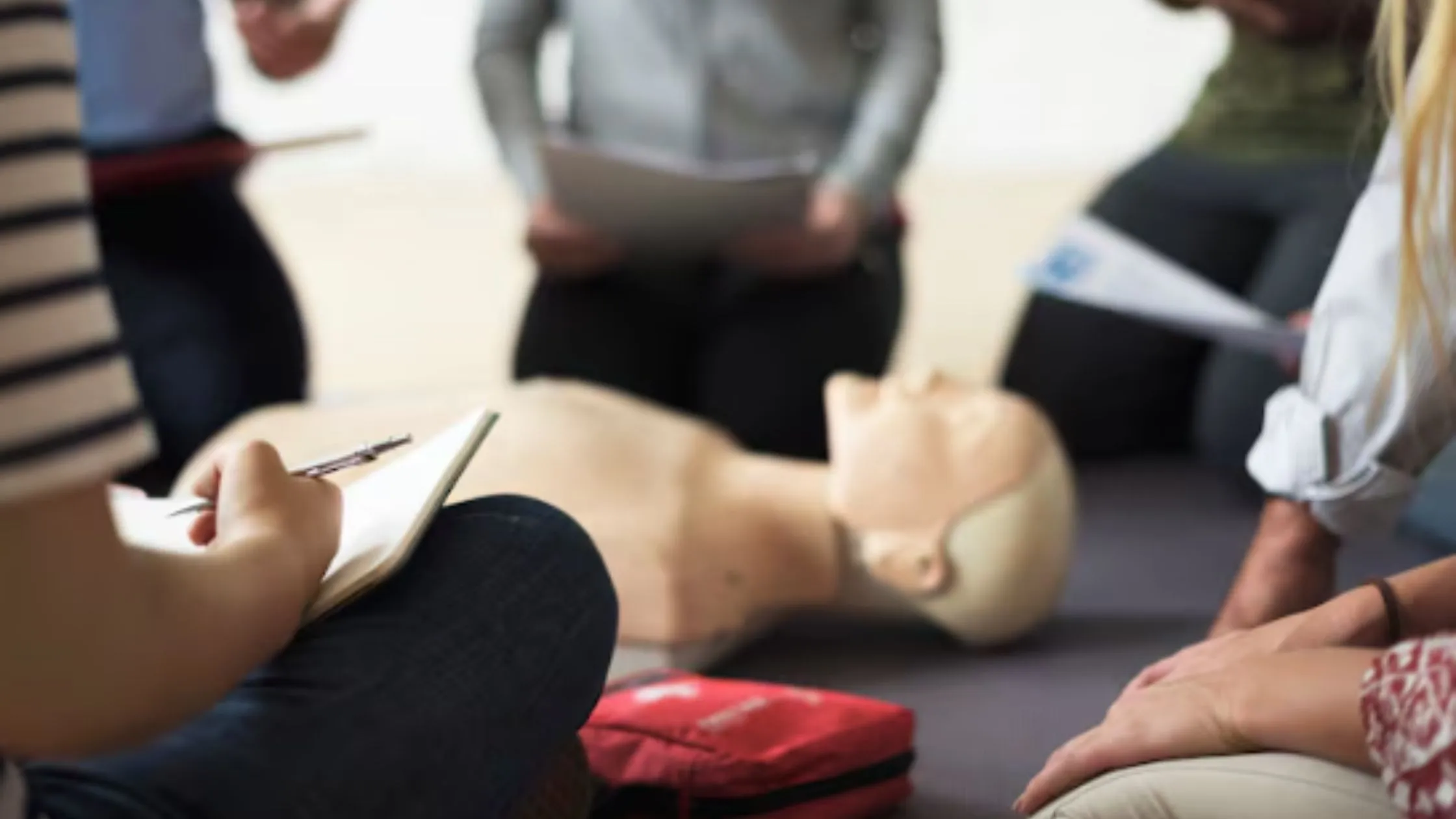
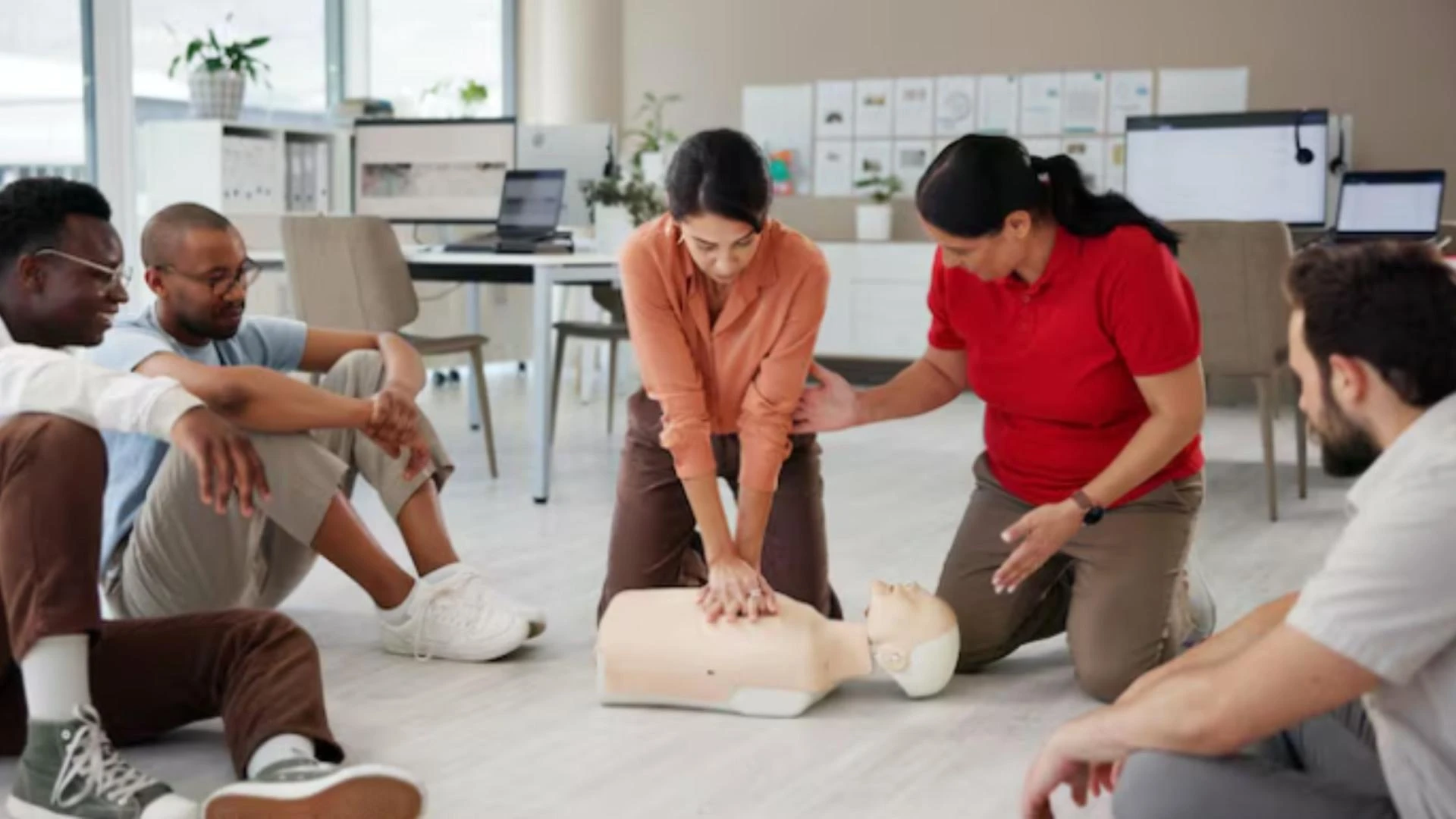
An instructor can identify these mistakes immediately and provide guidance while participants practice. This feedback helps build both skill and confidence, making it easier to respond correctly if a real emergency occurs later.
When Online Learning May Be Enough
Online learning certainly has its place. If your goal is to refresh your knowledge, understand CPR terminology, or review the latest emergency response guidelines, an online course can be a useful option.
It also allows people to learn the theory before attending practical instruction. Understanding the concepts beforehand often helps participants get even more out of hands-on practice.
The important thing is recognizing what online learning can and cannot provide.
When Hands-On Training Makes More Sense
For many people, practicing CPR is just as important as learning the theory.
Healthcare professionals, teachers, childcare providers, coaches, construction crews, office employees, church volunteers, and community organizations may all face situations where immediate action is needed before emergency medical services arrive.
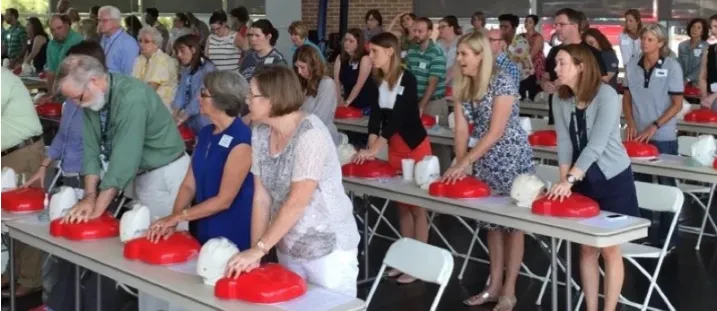
That is one reason on site CPR training Texas continues to be a popular choice. Bringing certified instructors directly to workplaces allows teams to practice together, ask questions, and become comfortable with the skills in a familiar environment.
Questions to Ask Before Choosing a CPR Course
Before enrolling in any CPR class, take a moment to think about what you need from the training.
Ask yourself:
- Will I practice CPR on a manikin?
- Does the course include hands-on AED training?
- Can I ask an instructor questions during the class?
- Does the training meet my workplace certification requirements?
- Will I feel confident using these skills after the course is over?
The answers can help you choose a course that matches both your learning style and your responsibilities.
It Is About More Than Earning a Certificate
Many people register for CPR training because their employer requires certification. By the end of the course, they often leave with something even more valuable.
They leave knowing they have practiced life-saving skills, received guidance from experienced instructors, and gained the confidence to help someone during one of the most critical moments of their life.
That confidence cannot be measured by a certificate alone.
Final Takeaway
Online CPR courses have made life-saving education more accessible, and they are a helpful way to learn the basics. However, practical experience remains an important part of feeling prepared for a real emergency.
If you are considering CPR training Texas, think about what you would want if someone nearby suddenly needed help. On site CPR training combines knowledge with hands-on practice, helping people build the confidence to step forward, take action, and provide care while waiting for emergency medical services to arrive.



























Sign in to leave a comment.