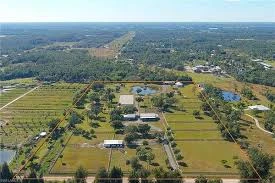

Lee County has seen steady shifts across pricing, construction styles, and buyer behavior over recent seasons. Anyone planning to purchase property here benefits from observing how these changes shape availability, demand, and long term livability. This detailed review highlights the patterns emerging across the region patterns that continually influence decisions for buyers exploring homes across coastal communities, suburban pockets, and developing inland neighborhoods. Local housing activity in Lee County rarely moves in a straight line. It responds to lifestyle shifts, insurance conditions, construction cycles, and broader economic factors. Because of this, buyers gain more clarity when they look at multi-year movements rather than relying solely on short term impressions. Home seekers who follow these patterns often identify opportunities sooner, notice genuine pricing shifts, and avoid confusing short-lived fluctuations with long-term trends.
Market Temperatures Across Neighborhood Types
A striking feature of Lee County is the contrast between different neighborhoods. While coastal zones show consistent interest from seasonal residents and retirees, inland suburbs draw year-round households searching for more interior space. The pace of activity in each pocket varies, especially as insurance discussions, renovation costs, and flood-zone considerations shape buyer behavior. In coastal areas, properties that sit in elevated positions or have updated structural features gain stronger attention. Inland zones, by contrast, often see buyers focused on yard space, school access, and construction quality. Observing these shifts helps buyers identify which neighborhoods match their priorities before they enter negotiations. A few tendencies stand out:
- Coastal communities continue to attract buyers who prioritize low-maintenance structures and updated mechanical systems.
- Inland suburbs gain interest from families pursuing multi-bedroom properties offered at more moderate pricing levels.
- Rural pockets see slower turnover, but buyers appreciate their broader lot sizes and quieter surroundings.
These patterns don’t shift overnight, so following them over time helps buyers form a clearer picture of how interest distributes across the county.
Pricing Lines and What They Reveal
Lee County pricing patterns vary by property age, construction method, and proximity to water. Newly built homes generally carry higher asking ranges, yet many buyers still value older homes because of their lot sizes, sturdier layouts, or mature landscaping.
Average selling prices show steady increases over recent years, though these increases are not uniform across zip codes. Homes positioned near waterways often attract quicker attention, especially if they include structural updates that reduce future insurance burdens. Meanwhile, well-kept mid-century homes continue to draw interest because they offer a different architectural character compared to newer developments.
Buyers observing price shifts should pay particular attention to:
- Frequency of price adjustments on active listings
- Whether renovated homes are selling faster than original-condition homes
- Differences in selling speed between coastal and inland neighborhoods
These pricing signals help buyers distinguish between temporary listing behavior and long-standing trends that influence long-term value.
New Construction Activity and Buyer Expectations
Construction activity in Lee County regularly shapes inventory levels. Builders continue developing communities far beyond coastal lines, focusing on energy-efficient layouts, open-plan interiors, and low-maintenance exterior materials. This brings more choices for buyers who want updated systems without absorbing renovation costs. Mid-construction phases frequently influence buyer expectations, particularly regarding completion timelines, structural features, and neighborhood planning. Some buyers use this moment to compare the benefits of newly-built homes with older homes that might offer stronger lot sizes or well-established tree cover. Midway through these considerations, many buyers also reference community-level information to evaluate long-term suitability. Accessing reliable records helps them compare structures, past values, and land characteristics. Resources such as Lee Property Info allow buyers to review property-related characteristics before making final decisions. New construction continues to broaden options across the county, yet it also increases the importance of comparing build types, neighborhood ages, and long-term ownership costs. Buyers tracking this activity gain a better sense of where inventory may grow in the coming seasons.
Renovation Patterns and Their Influence on Value
Renovation work across Lee County often concentrates on roofing, impact-resistant features, plumbing updates, and energy systems. These upgrades influence resale strength because they align with local climate considerations and insurance discussions.
Much of the buyer interest in renovated homes results from the desire to reduce future project costs. Homes that include updated roofs, modern electrical systems, improved drainage, or reinforced windows often capture attention sooner. The appeal grows even stronger in neighborhoods where buyers compare older structures to recently updated ones.
Here are key features commonly influencing buyer interest:
- Reinforced windows and entry doors
- Roofing materials adapted to local weather conditions
- Updated HVAC systems with improved efficiency
These features may not change the character of a home, but they strongly affect confidence levels during the purchase process.
Shifts in Buyer Behavior and What They Signal
Over recent years, buyer behavior across Lee County shows several clear adjustments. Many home seekers now conduct broader searches, comparing neighborhoods across larger distances rather than sticking to a single town. Remote-friendly work arrangements influence this because more households feel comfortable living farther from office hubs. Another noticeable pattern is the rising interest in properties with flexible interior layouts. Bonus rooms, enclosed patios, adaptable loft spaces, and larger home offices draw increased attention. Buyers see value in layouts that adjust to changing lifestyle needs. Longer decision timelines also appear across certain price ranges. Buyers weigh insurance discussions, renovation potential, and community restrictions more carefully. These shifts signal a more calculated approach, where buyers seek homes that maintain appeal across multiple seasons of ownership.
Seasonal Activity and Its Influence on Competition
Lee County experiences clear seasonal patterns driven by winter tourism, school calendars, and regional travel habits. Cooler months often bring an uptick in interest from out-of-state visitors, many of whom explore available homes during their stay. This seasonal activity can lead to faster decision making across certain neighborhoods. The warmer months show a different pattern. Buyers with school aged children often schedule moves during this period, increasing suburban activity. Meanwhile, coastal zones may slow slightly as seasonal residents leave, though homes with strong renovation updates continue attracting interest. Understanding these rhythms helps buyers plan their search more efficiently. Entering the market during slower months can sometimes reduce competition, while shopping during peak activity gives a clearer picture of which neighborhoods hold the strongest demand.
Insurance Considerations Influencing Buyer Focus
Insurance discussions have become a significant part of the Lee County housing landscape. Buyers frequently want clarity around roof age, structural resilience, electrical systems, and water related protections. Homes with updated features often move faster because they reduce future uncertainties. Many buyers conduct comparisons between properties built under different building standards. Homes constructed in periods with stronger codes may appeal to buyers concerned about future insurance adjustments.
Key insurance focused factors that often influence decisions include:
- Age and material of the roof
- Elevation relative to flood zones
- Presence of reinforced windows or doors
- Updates to major systems
Even though insurance considerations can affect budgets, they also reinforce the value of homes that include resilient construction choices.
Community Features That Strengthen Buyer Interest
Buyers exploring Lee County frequently pay close attention to nearby amenities including schools, parks, waterfront access points, and shopping centers. Neighborhoods with walkable setups, shaded sidewalks, and recreational spaces often experience heightened interest.
Another factor is the planning of developments around community engagement. Areas offering social spaces, club facilities, or organized neighborhood events sometimes attract buyers who want a stronger sense of community connection. Public infrastructure improvements such as road enhancements, new traffic signals, or upgraded public services can also boost neighborhood appeal. Buyers who monitor these enhancements spot growing pockets that may become more sought-after over the coming years.
Inventory Fluctuations and How They Shape Buyer Strategy
Inventory across Lee County doesn’t follow a fixed pattern. It shifts according to construction cycles, relocation waves, and broader economic conditions. Lower inventory periods can make competition sharper, leading to quicker offers on well-maintained homes. Higher inventory periods, by contrast, give buyers more room to compare. Recent seasons show a mix of both scenarios across different price brackets. Higher-end homes may sit longer on the market while moderately priced homes move more swiftly. Buyers who track these inventory swings often adjust their strategy, deciding whether to move quickly or observe the market for a longer stretch.
Long-Term Prospects for Buyers Entering the Market
Several long-term patterns continue shaping the Lee County housing environment. Population growth contributes to stronger interest in housing developments. Improvements in infrastructure strengthen neighborhood accessibility. Buyers increasingly prioritize energy efficiency, climate-adapted features, and versatile home layouts. Those entering the market benefit from observing how these long-term movements align with their personal priorities. Whether focusing on renovation potential, location benefits, or construction age, buyers who follow trends across multiple seasons often identify homes that meet both short term and long term goals.
Lee County’s housing activity continues to evolve, influenced by economic rhythms, population shifts, and lifestyle preferences. Buyers who remain attentive to these patterns gain a clearer perspective and make decisions rooted in broader movement rather than short-term impressions.
FAQs
Before exploring the most common questions, it helps to review a few points that matter to property owners in Lee County. These FAQs focus on local pricing activity, market behavior, and homeowner concerns. Each response provides helpful detail without sounding promotional or repetitive. Below you’ll find straightforward explanations written for clarity and search value.
What shapes home price changes across Lee County now?
Home price movement in Lee County is influenced by sales trends, neighborhood demand, and recent buyer activity. Data from local transactions often shows how seasonal shifts affect values. Homeowners usually monitor listing volume to anticipate any upcoming changes. Economic conditions and interest rates also add pressure to pricing. Taken together, these factors create the ongoing price pattern many residents track.
How Lee County sales activity affects property value?
Sales activity plays a strong role in how values move across different Lee County areas. When more homes sell within short periods, the recorded prices often set the baseline for similar properties. Slower months can show reduced pressure on values, though not always uniformly. Buyers often respond to inventory, which shifts price expectations. These patterns help residents understand overall direction in the local market.
Why some Lee County areas show faster price shifts?
Certain neighborhoods experience quicker adjustments because of buyer demand, new construction, or recent upgrades in nearby districts. Local amenities and school zone changes can also influence how quickly interest rises. Homes listed at competitive prices may sell faster and set new benchmarks. Trends can differ widely between communities. Tracking these details helps owners see where activity is gaining momentum.
What homeowners monitor to track Lee County trends?
Many residents keep an eye on monthly sales reports, listing volume, and the gap between asking and final sale prices. These indicators reveal whether buyer interest is increasing or slowing down. Seasonal behavior also plays a noticeable role for much of the county. Market reports shared by local real estate professionals give additional context. Together, these elements help owners anticipate value direction more clearly.
How local demand patterns shape Lee County pricing?
Demand often rises when inventory is low, pushing interest toward available homes and shifting price direction. New arrivals to the county can affect competition, especially in high-interest neighborhoods. Economic conditions influence borrowing ability, which affects offer strength. Recent upgrades to community areas may also raise attraction levels. All of these factors contribute to how pricing responds over time.



























Sign in to leave a comment.