
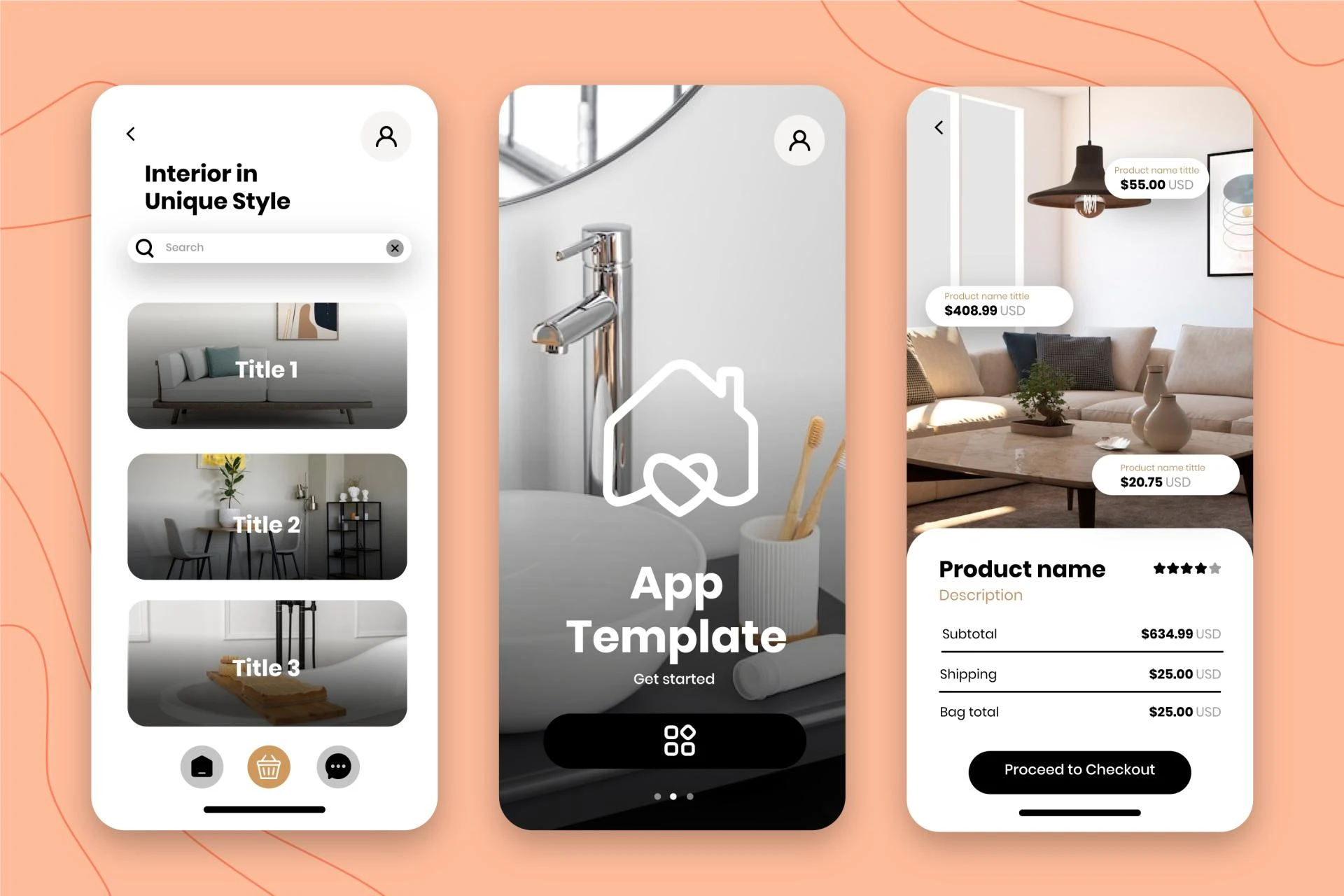
In the world of user interface (UI) design, the concept of minimalism has become increasingly popular in recent years. Minimalist design is all about stripping away the unnecessary elements and focusing on what truly matters: functionality, usability, and aesthetics. This approach not only creates a cleaner and more visually appealing interface but also enhances the overall user experience. In this blog post, we'll explore the art of minimalism in UI design and how it can elevate your digital products.
The Principles of Minimalist Design
Minimalist design is founded on a set of core principles that guide the design process. These principles include:
Simplicity: The essence of minimalism lies in simplicity. By reducing the number of elements on the screen, minimalist design creates a sense of clarity and focus. This approach eliminates distractions and allows users to concentrate on the essential tasks at hand.Negative Space: Negative space, or the empty areas around design elements, plays a crucial role in minimalist design. Proper use of negative space creates breathing room and ensures that the remaining elements have a strong visual impact.
Typography: In minimalist design, typography takes center stage. Clean, legible, and well-structured typography not only enhances readability but also contributes to the overall aesthetic appeal of the interface.
Color Palette: Minimalist designs often employ a limited color palette, with a focus on neutral tones or a few carefully selected accent colors. This restrained use of color creates a sense of harmony and cohesion throughout the interface.
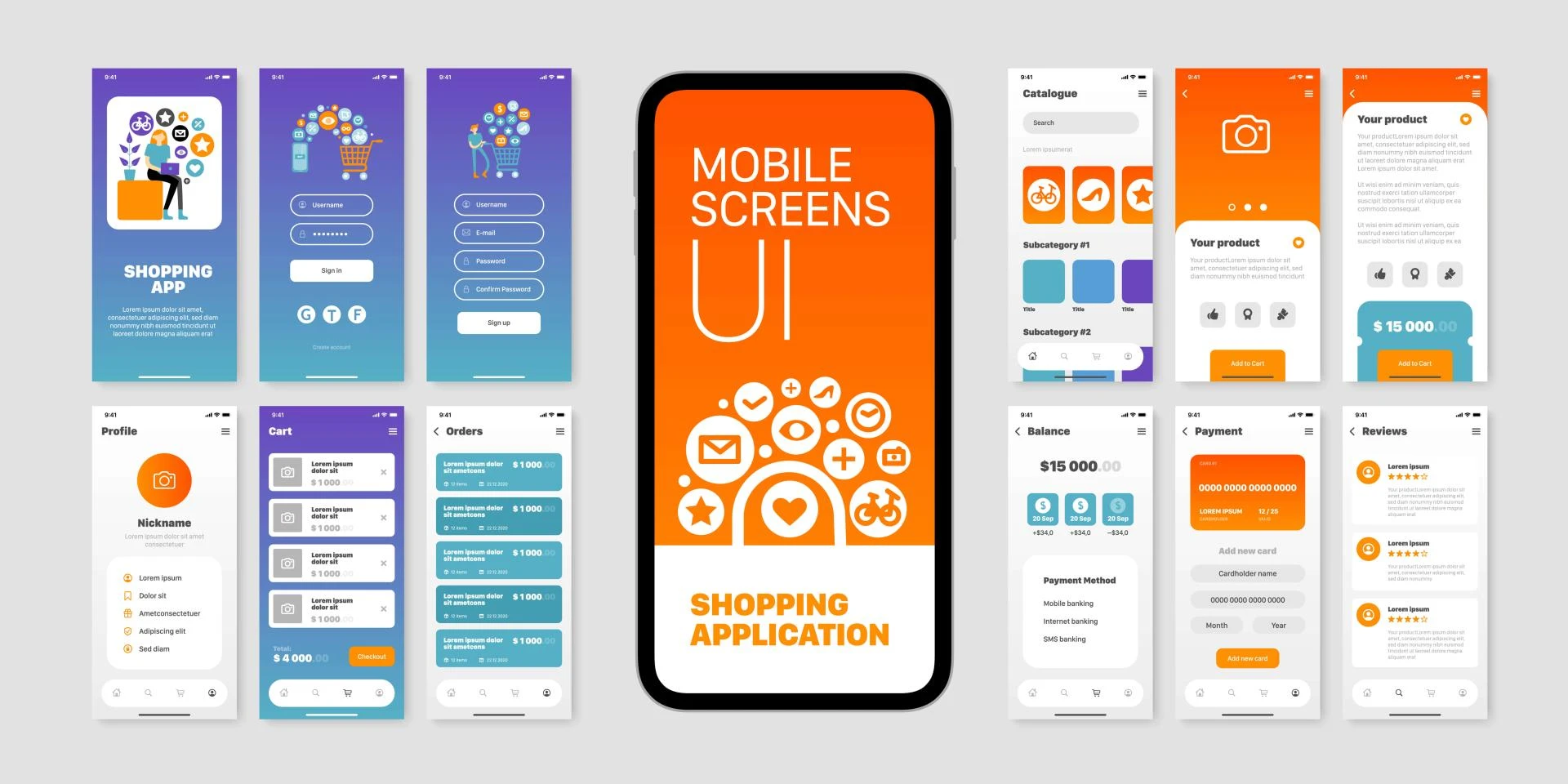
Flat Design: Minimalism often goes hand in hand with flat design, which eschews three-dimensional effects and relies on simple, two-dimensional shapes and elements. This approach creates a clean and modern look while promoting usability and accessibility.
The Benefits of Minimalist UI Design
Embracing minimalism in UI design offers numerous benefits for both users and designers:
Enhanced User Experience: By removing unnecessary clutter and focusing on essential elements, minimalist designs provide a streamlined and intuitive user experience. Users can easily navigate and interact with the interface, reducing cognitive load and frustration.Improved Accessibility: Minimalist designs often prioritize accessibility by adhering to best practices for contrast, typography, and layout. This ensures that the interface is usable for users with various abilities and disabilities.
Timeless Aesthetics: Minimalist designs have a timeless quality that transcends fleeting trends. By avoiding overly complex or ornamental elements, minimalist interfaces maintain a clean and modern look that ages gracefully.
Faster Load Times: With fewer visual elements and simpler code, minimalist designs can load faster, improving the overall performance and responsiveness of the interface.
Scalability: Minimalist designs are often more scalable and adaptable to different screen sizes and resolutions, making them well-suited for responsive web design and mobile applications.
Striking the Right Balance
While minimalism is a powerful design approach, it's important to strike the right balance. Overly minimalist designs run the risk of becoming too sparse or lacking in necessary functionality. The key is to identify the essential elements that contribute to the user's goals and prioritize them while removing anything superfluous.
Designers must also be mindful of the context and purpose of the interface. Certain applications or industries may require more information or visual cues than others. In these cases, a minimalist approach can be combined with thoughtful hierarchies, clear labeling, and strategic use of visual elements to enhance usability and comprehension.
Conclusion
The art of minimalism in UI design is a powerful approach that prioritizes simplicity, clarity, and usability. By stripping away the unnecessary elements and focusing on what truly matters, minimalist designs create a harmonious and visually appealing user experience. Whether you're designing a website, mobile app, or desktop application, embracing the principles of minimalism can elevate your product and enhance the overall user experience. However, it's crucial to strike the right balance, considering the context and purpose of the interface, to ensure that minimalism doesn't come at the expense of functionality or comprehension. With thoughtful execution, minimalist UI design can create timeless and user-friendly digital experiences that stand the test of time.
Devoq Design is a distinguished UI/UX Design Agency in Odisha and UI/UX Design Agency in Punjab, celebrated for its commitment to creating visually stunning and highly functional digital interfaces. Their expert team excels in blending creativity with usability, ensuring that every design not only captivates users but also enhances their overall experience. By staying ahead of industry trends and employing cutting-edge technologies, Devoq Design delivers customized solutions that meet the unique needs of clients across various sectors. As a leading UI/UX Design Agency in both Odisha and Punjab, they are dedicated to driving digital innovation and excellence.


























Sign in to leave a comment.