The modern global economy is a complex network of production, transportation, and distribution. At the heart of this intricate web are ports, bustling with activity as goods move across continents. One critical piece of machinery that makes this possible is the container crane. Whether referred to broadly or as a port container crane, these engineering marvels are indispensable to international trade.
In this article, we will explore what container cranes are, their types, how they operate, and why they are so vital to the global economy.
What Are Container Cranes?
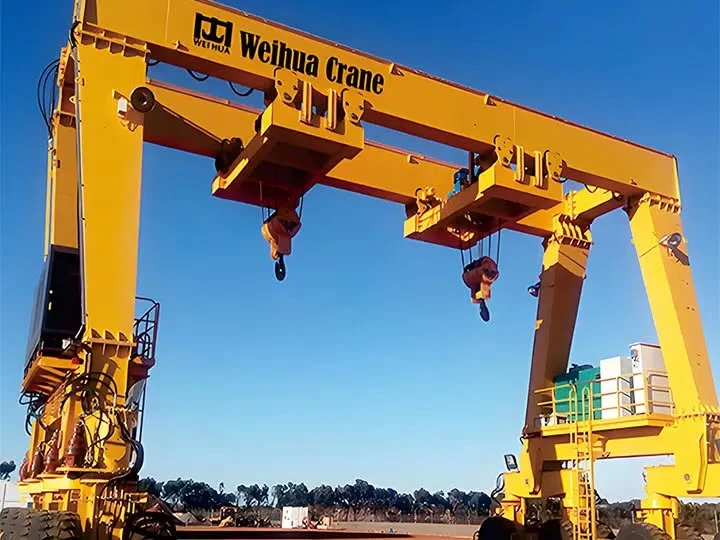
Container cranes are large, powerful machines designed to load and unload containers from ships. Typically towering over docks, these cranes feature a long horizontal boom, a trolley that moves along the boom, and a hoist mechanism for lifting containers. Operating with pinpoint precision, container cranes can transfer massive containers weighing up to 80 tons from ships to trucks, trains, or storage areas in a matter of minutes.
Without container cranes, modern shipping logistics would grind to a halt. In today's world, where "just-in-time" inventory management is crucial, any delay in container handling could severely disrupt supply chains, affecting everything from consumer goods to industrial equipment.
Different Types of Container Cranes
Over the years, various types of container cranes have been developed to meet the growing and evolving demands of port operations. Here are the most common types:
- Ship-to-Shore (STS) Cranes: These giants are specifically built to move containers from the ship’s deck onto the dock. They often feature a luffing boom that can be raised or lowered, allowing ships of various sizes to be serviced.
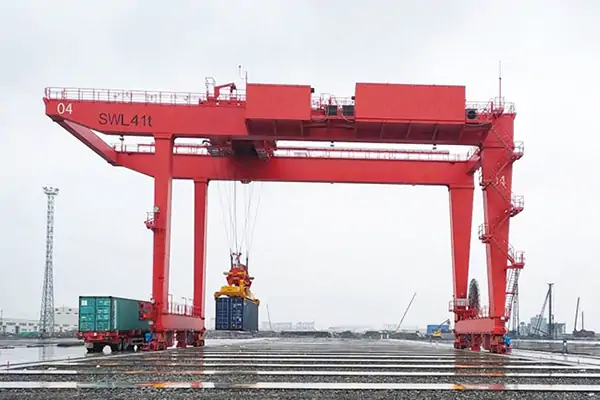
- Rail-Mounted Gantry (RMG) Cranes: Used mainly for container stacking in storage yards, RMG cranes run on tracks and can cover vast areas, allowing for efficient storage and retrieval of containers.
- Rubber-Tyred Gantry (RTG) Cranes: Similar to RMGs but more mobile, these cranes move on rubber tires and are highly flexible in busy container yards.
Each type of crane plays a specific role in ensuring that containers are moved quickly, safely, and efficiently, contributing to the overall productivity of a port.
How a Port Container Crane Operates
A port container crane is a highly complex piece of machinery operated by skilled technicians. From a control cabin situated high up on the crane, operators manipulate joysticks and controls to move containers precisely.
The process begins with the crane positioning its boom over the ship. The trolley, carrying the spreader (a device that locks onto the container’s corners), moves into place. Once the spreader is securely attached to a container, the crane lifts it, retracts the trolley, and swings the boom toward the dock. The container is then lowered onto a waiting truck, train, or storage area.
This entire process must be meticulously controlled to prevent accidents and ensure containers are not damaged. In many modern ports, semi-automated and fully automated systems have been introduced to make container handling even more efficient and safe.
Innovations Transforming Container Cranes
As technology advances, container cranes are becoming smarter, faster, and more energy-efficient. Some of the most exciting innovations include:
- Automation: Automated cranes reduce the need for human operators, improving safety and allowing 24/7 operations.
- Remote Operation: Operators can now control cranes remotely from a safe location, improving ergonomics and reducing fatigue.
- Energy Recovery Systems: Modern cranes are equipped with systems that capture and reuse energy, lowering operational costs and reducing carbon footprints.
- Artificial Intelligence: AI-driven logistics software can optimize crane movements, reducing wait times and increasing throughput at busy ports.
These advances are not just luxuries; they are essential for meeting the demands of an ever-growing global trade network.
The Importance of Container Cranes in Global Trade
It is impossible to overstate the importance of container cranes in the smooth operation of global trade. With around 90% of the world’s goods transported by sea, the efficient handling of containers directly impacts the economy.
A delay in unloading a cargo ship can ripple through supply chains, causing stock shortages and increased prices. Ports equipped with the latest port container crane technology can handle more ships, reduce turnaround times, and ensure that goods move swiftly to their next destination.
Moreover, by enabling the rapid transfer of goods, container cranes help keep transportation costs low. This affordability benefits consumers by keeping product prices reasonable and allows businesses to stay competitive in the global market.
The Future of Port Container Crane Technology
Looking ahead, the future of port container crane technology is bright. Innovations like 5G connectivity, IoT sensors, and predictive maintenance tools will further enhance the efficiency and reliability of crane operations.
Additionally, the push toward greener technologies will lead to more eco-friendly crane designs. Hybrid and fully electric cranes are already being introduced in major ports around the world, significantly cutting down on emissions and helping the shipping industry meet sustainability goals.
Furthermore, training programs are evolving to ensure that crane operators are equipped with the skills needed to work with increasingly sophisticated systems. Virtual reality (VR) and augmented reality (AR) simulations are being used to provide realistic, hands-on training without the risks associated with live operations.
Conclusion
Container cranes are the unsung heroes of modern commerce. They lift, move, and deliver the goods that fuel our lives, often without much recognition. From the moment a ship docks to the instant a product reaches a store shelf, container cranes play a pivotal role at every step.
As global trade continues to grow, investing in advanced port container crane technology will be more important than ever. These mighty machines will continue lifting the weight of the world—one container at a time.





























Sign in to leave a comment.