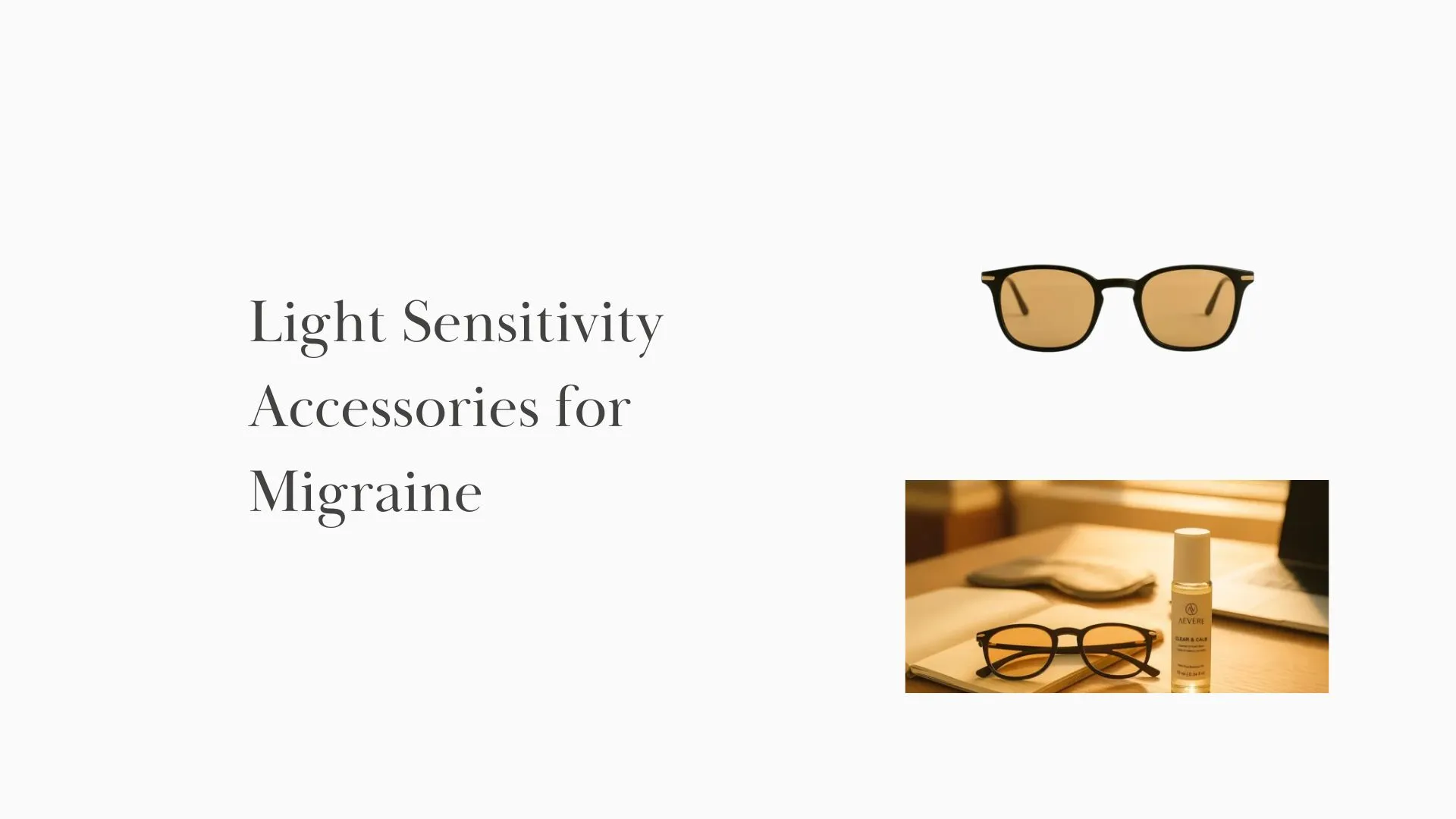

Migraine light sensitivity is one of the most prevalent and troublesome symptoms among migraine patients. Many patients feel extremely sensitive to light even when they are in regular lighting conditions. The bright sun, fluorescent lights, LED lights, headlights, etc., can all trigger migraine attacks. Knowing about the relationship between migraines and light sensitivity can enable patients to manage their triggers better and cope with them easily.
Scientists have been investigating the reasons behind the high sensitivity of migraine patients to light for decades. Although there can be different factors contributing to light sensitivity among patients, research has provided us with some valuable insights regarding how our brain and nerves react to light sensitivity.
What Is Light Sensitivity During a Migraine?
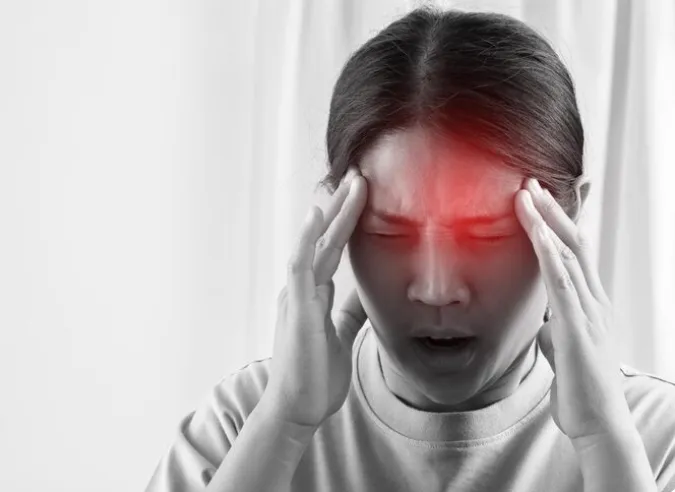
Light sensitivity is another name for photophobia, and it means excessive sensitivity to or discomfort from light. Migraine sufferers may develop headaches or increased headache pain along with pain, eye strain, and nausea under certain light conditions during a migraine episode.
Photophobia may occur:
- Prior to a migraine onset
- During a migraine episode
- After the headache phase
Some migraine sufferers feel light-sensitive even between migraines, particularly those with chronic migraines.
The relationship between migraine headaches light sensitivity is so common that light exposure is considered both a trigger and a symptom of migraines.
How the Brain Processes Light During Migraines
Theories suggest that migraines arise from irregular neural functioning within the brain and nervous system. Migraine attacks trigger excessive sensitivity in specific nerve circuits that relate to pain and sensory responses.
Among these circuits is the trigeminal nerve pathway, which carries pain signals from the face and head region. When a migraine attack strikes, the trigeminal nerve gets triggered, sending signals to sections of the brain associated with light perception and visual stimulation.
In recent studies, scientists have found that specific neurons in the retina, called intrinsically photosensitive retinal ganglion cells (ipRGCs), contribute to this phenomenon. These neurons react intensely to specific light frequencies, especially blue-green wavelengths.
Under strong light conditions, these neurons signal brain parts involved in processing migraine pain sensation. Light exposure may thus exacerbate pain symptoms and increase discomfort duration.
Common Light Triggers for Migraines
Different types of lighting can trigger or worsen migraine symptoms. Common triggers include:
Sunlight
Bright natural sunlight is one of the most common migraine triggers. Sudden exposure to intense sunlight or glare may overstimulate sensitive visual pathways.
Fluorescent Lighting
Fluorescent bulbs often flicker subtly, even when not noticeable to the human eye. This flickering can contribute to migraines and visual discomfort.
LED Screens
Phones, tablets, and computer screens emit blue light, which can strain the eyes and stimulate sensitive retinal cells linked to migraines.
Headlights and Night Driving
Bright headlights and high-contrast nighttime lighting conditions can worsen photophobia for migraine sufferers.
Understanding personal triggers can help individuals reduce exposure and better manage symptoms.
Why Blue Light Is a Major Concern
Blue light has been extensively studied in connection with migraines due to the high sensitivity of photoreceptors in the retina to it.
Screens of electronic devices, LED lights, and sunlight all produce blue rays. The blue rays travel far into the eyes and have greater effects on the brain compared to other rays.
Blue light exposure in excess could cause migraines by:
- Causing strain to the eyes
- Inducing headaches
- Exacerbating photophobia
- Disturbing sleep cycles
Inadequate sleep is another common trigger for migraines, which leads to a vicious cycle that can worsen migraines.
Avoiding blue light exposure, particularly in the evening, could benefit certain patients with migraines.
How FL-41 Migraine Glasses Help
One increasingly popular solution for managing light sensitivity is the use of FL 41 Migraine Glasses. These specially tinted glasses are designed to filter specific wavelengths of light associated with migraine discomfort.
The FL-41 tint was created with light-sensitive neurological conditions in mind. Scientific research has revealed that the rose-tinted color may lower the incidence of migraines and decrease photophobia symptoms in certain individuals.
In contrast to conventional sunglasses, FL 41 Migraine Glasses were made to deal with indoor and outdoor light sensitivities.
The Science Behind FL-41 Tint
The FL-41 tint filters wavelengths of light which usually stimulate people who have migraines. The reduced stimulation of the visual pathway can help minimize the pain associated with migraines.
Some of the benefits experienced by users include:
- Reduced eye strain
- Reduced sensitivity to fluorescent lighting
- Increased comfort when viewing screens
- Less light-induced headaches
- More concentration while working or studying
Many people who experience migraines use their FL-41 glasses all day long, particularly when they are working in offices with bright artificial lighting.
Who Can Benefit From Migraine Glasses?
The following individuals can benefit from wearing migraine glasses:
- Office employees working with computer screens throughout the day
- Students using electronic gadgets for a prolonged period
- Drivers with problems related to glare and headlights
- Persons who have sensitivity towards fluorescent lights
- Migraine patients with constant photophobia
Although individual results can vary, people have generally reported positive outcomes with continuous usage.
Additional Ways to Manage Light Sensitivity
In addition to migraine glasses, several lifestyle adjustments may help reduce light-triggered migraines.
Adjust Screen Settings
Lowering screen brightness and using blue light filters may reduce eye strain.
Use Soft Indoor Lighting
Warm lighting often feels more comfortable than bright white LED bulbs.
Wear Hats or Visors Outdoors
Reducing direct sunlight exposure can help prevent overstimulation.
Take Regular Screen Breaks
Frequent breaks may reduce visual fatigue during long work sessions.
Improve Sleep Habits
Consistent sleep schedules help regulate the nervous system and may reduce migraine frequency.
Combining these strategies with supportive tools like FL 41 Migraine Glasses may improve symptom management over time.
When to Seek Medical Advice
Light sensitivity often occurs with migraines; however, intense or sudden photophobia should always be checked out by a health care practitioner. Other possible problems may exist that need to be examined medically.
Individuals who have regular migraines should also seek a health care provider for advice on how to deal with them.
Final Thoughts
The relationship between migraines and light sensitivity has been long established due to the way the brain deals with the experience of pain and sensory input. Exposure to certain light wavelengths may lead to hyper-stimulation in neurons and increase the severity and pain experienced.
However, there are solutions to help manage the condition and cope with its symptoms. FL 41 Migraine glasses provide a viable way of minimizing one's exposure to light, preventing eye strain and making their everyday life much more comfortable.
Migraine management always involves not just medical treatment but a number of adjustments in a patient's life. However, knowledge of the underlying causes of light sensitivity in this case will come in handy.


























Sign in to leave a comment.