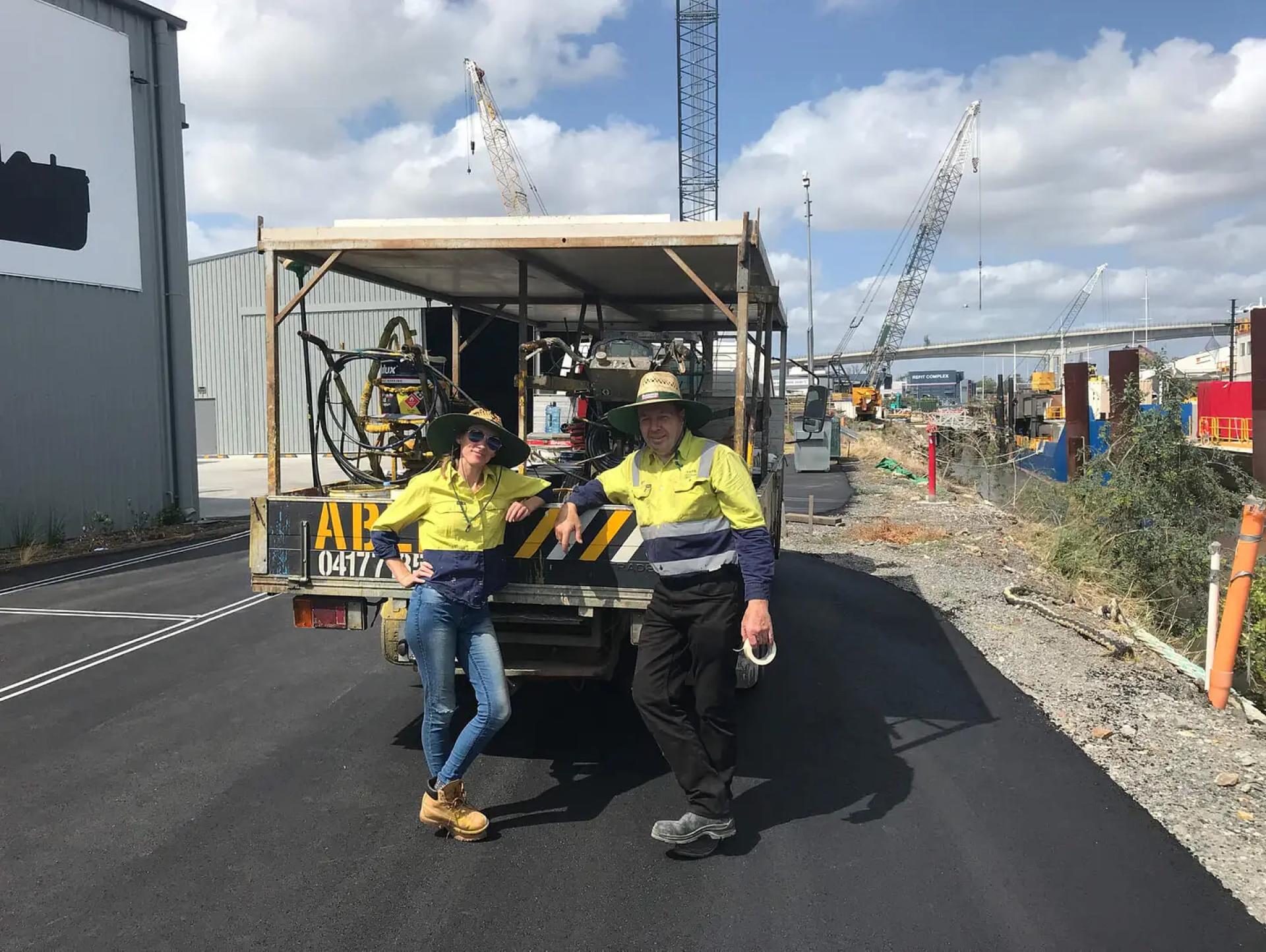
Ever noticed how a simple painted line on the road can control the entire flow of traffic? Or how floor markings in a warehouse can improve safety and efficiency almost instantly? That’s the power of line marking—an underrated yet critical part of our daily environments. Whether it’s a bustling highway, a quiet parking lot, or a high-traffic warehouse, proper line marking brings order, guidance, and safety in spaces that need structure.
In this comprehensive guide, we’re diving deep into everything you need to know about line marking—from its essential functions and application areas to the types of materials used and the growing role of innovation in the field.
What is Line Marking and Why Does It Matter?
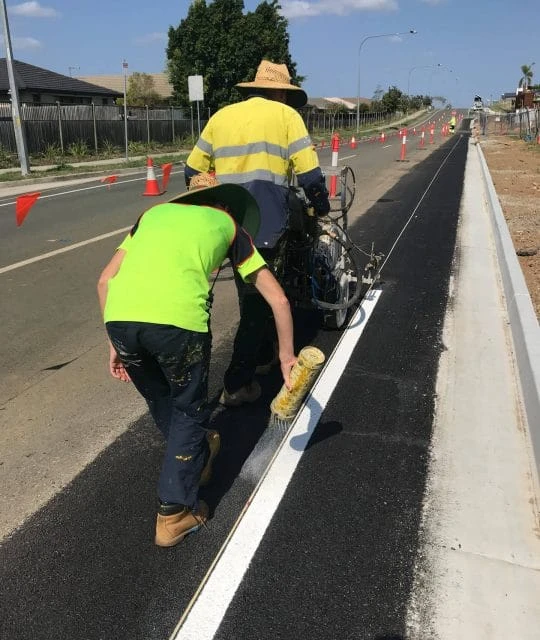
At its core, line marking is the application of visual indicators—typically lines, arrows, symbols, or words—on surfaces like roads, factory floors, sports fields, or car parks. These markings serve multiple purposes, but the overarching goal is clear communication.
Imagine driving down a highway with no lane markings. The chaos would be unimaginable. Without clear lines, there would be no way to distinguish lanes, enforce rules, or guide vehicles—creating a dangerous environment. This is why line marking plays a vital role in safety and navigation, not just on roads but in virtually every organized space.
Applications of Line Marking in Everyday Life
You may think of roads when you hear line marking, but its applications go far beyond that. Here are some of the key environments where it's used:
- Roadways and Highways: For lane divisions, pedestrian crossings, and directional arrows.
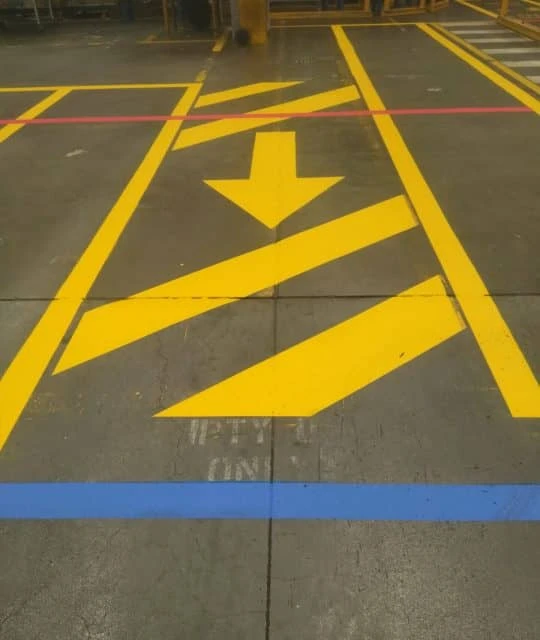
- Warehouses and Factories: To define safe walking paths, forklift zones, and hazard areas.
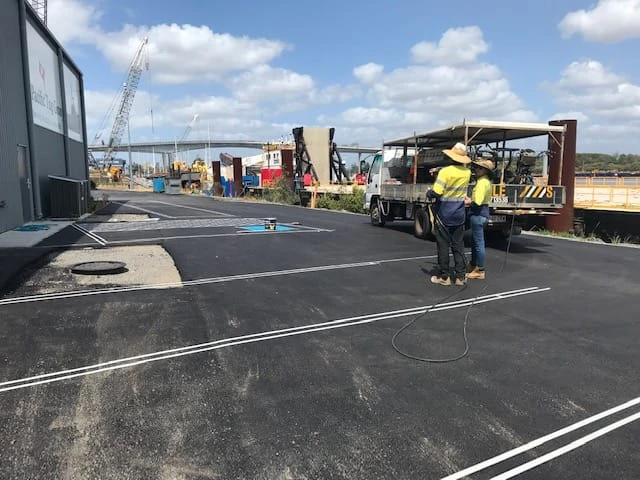
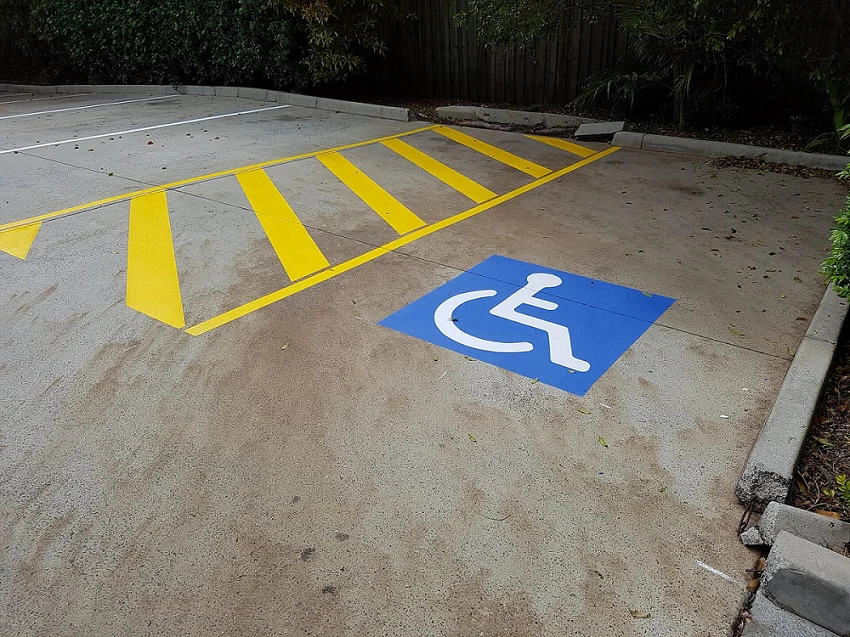
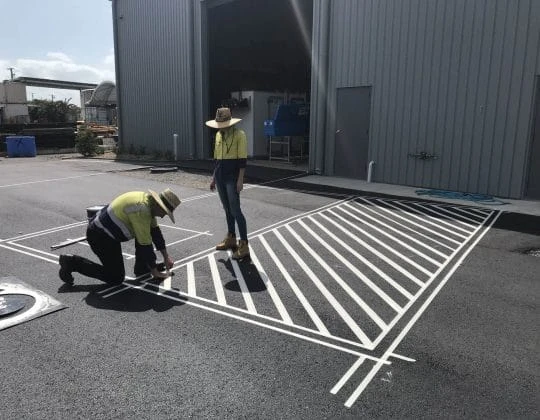
- Car Parks: To designate parking bays, accessible spots, and traffic flow arrows.
- Sports Courts and Fields: For defining playing areas and boundary lines.
- Airports and Runways: To guide aircraft and service vehicles safely.
These use cases show just how essential line marking is in both public and private spaces. It ensures safety, compliance, and efficiency across the board.
The Role of Line Marking in Safety and Compliance
Now let’s talk about why line marking isn't just a “nice-to-have”—it’s often a legal and operational necessity. In industries like manufacturing, logistics, and construction, line markings are critical for meeting workplace health and safety standards.
In fact, safety authorities around the world recommend (and often require) clearly defined line marking in environments where vehicle and pedestrian movement overlap. These visual cues can prevent accidents, minimize confusion, and streamline operations.
Think of a warehouse, for example. Without floor markings, employees and machinery could move unpredictably. But with clear line markings, you create organized lanes, warning zones, and safe spaces—greatly reducing the risk of injury or error.
Types of Line Marking Materials
Not all line markings are created equal. The effectiveness and longevity of your markings depend heavily on the type of material used. Here’s a look at the most common options:
- Thermoplastic: A durable, heat-applied material often used on roads. It offers long wear and excellent visibility.
- Paint (Water or Solvent-Based): Common for indoor applications or areas with low traffic.
- Epoxy and Polyurethane Coatings: Typically used in industrial settings where chemical resistance is important.
- Tapes and Stickers: Ideal for temporary or flexible layouts, especially indoors.
- Pre-formed Thermoplastics: Used for detailed symbols like arrows or pedestrian icons.
The choice of material depends on surface type, location (indoor or outdoor), and expected traffic. For example, heavy truck traffic on an asphalt road would require a far more resilient material than a school gymnasium floor.
Innovations Transforming the Line Marking Industry
While it may seem old-school, line marking is evolving fast thanks to innovation and technology. From smart reflective materials to automated application machinery, the industry is shifting toward smarter, more efficient practices.
One exciting development is the use of laser-guided line marking machines. These tools enhance precision and consistency, reducing human error and speeding up large-scale projects. There’s also a growing interest in eco-friendly line marking paints, which reduce environmental impact without compromising durability or performance.
Some urban planners are even exploring interactive line markings—lines that change color under different lighting or environmental conditions. While still in early stages, these advancements hint at a future where line marking does more than guide; it could communicate dynamically with users in real time.
Maintenance and Longevity of Line Marking
Even the best-applied lines will wear down over time, especially in high-traffic areas. That’s why regular maintenance is crucial. Faded or cracked markings can cause confusion, accidents, or non-compliance with safety regulations.
Here are some quick tips to extend the life of your line marking:
- Surface Preparation: A clean, dry surface ensures proper adhesion.
- Quality Materials: Use the right type for the conditions.
- Routine Inspections: Schedule regular checks to catch wear early.
- Reapplication: Touch up or reapply as needed to keep lines clear and visible.
Proper care doesn't just improve appearance—it ensures your space remains safe and efficient for everyone using it.
Choosing a Line Marking Provider
Choosing the right professionals to handle your line marking needs is just as important as the markings themselves. Look for teams that offer:
- Expertise in your specific environment (e.g., roadways vs. industrial floors)
- Compliance with local and international safety standards
- A portfolio of successful projects
- Use of high-quality, long-lasting materials
A good provider should also offer guidance on layout design to maximize functionality and safety.
Final Thoughts: Line Marking is More Than Just Paint
When you take a closer look, line marking is far more than just paint on the ground. It’s a visual language—a system of symbols and lines that make our environments safer, more efficient, and easier to navigate. Whether it’s guiding vehicles down a highway, keeping workers safe in a warehouse, or organizing a parking lot, line marking plays an indispensable role in modern infrastructure.
As cities grow and workplaces become more dynamic, the demand for smart, clear, and durable line marking will only increase. So whether you're planning a new facility, updating an existing one, or simply looking to improve safety and compliance, don’t overlook the importance of quality line marking.





























Sign in to leave a comment.