Floor marking might seem like a small detail, but it plays a huge role in safety, organization, and efficiency across many industries. From factories and warehouses to hospitals and retail stores, floor marking helps people navigate spaces easily and prevents accidents. If you’re considering adding or upgrading your floor markings, understanding the process, benefits, and best practices will help you make the right choices.
What Is Floor Marking and Why Does It Matter?
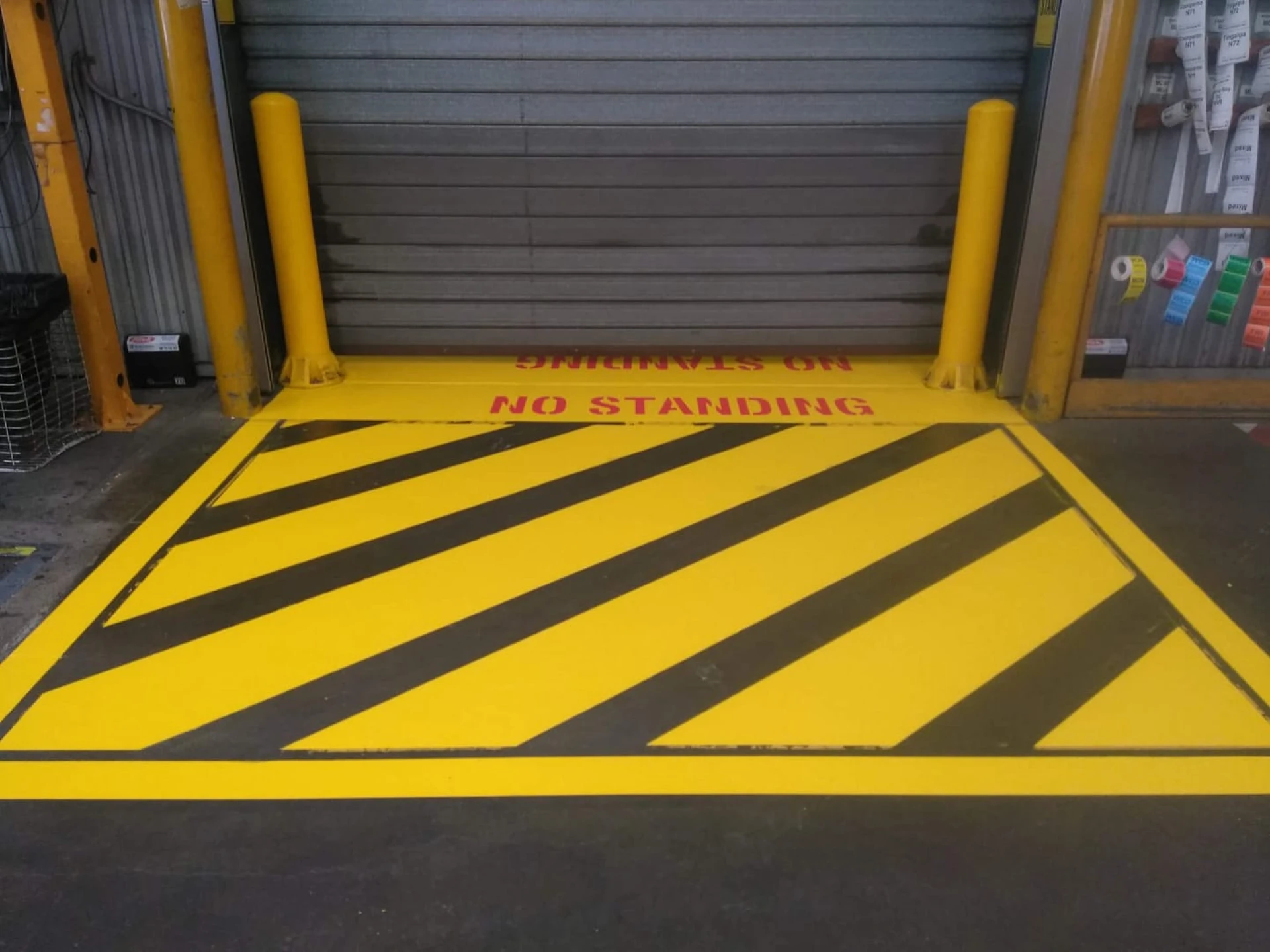
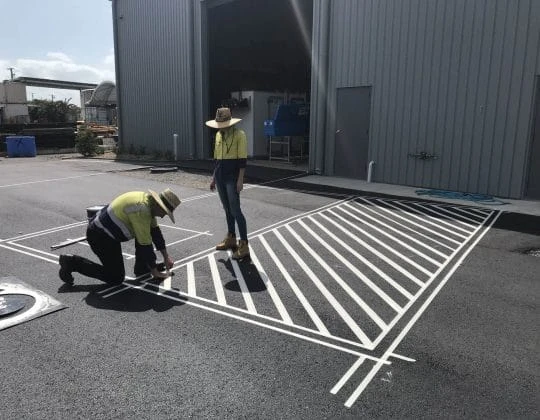
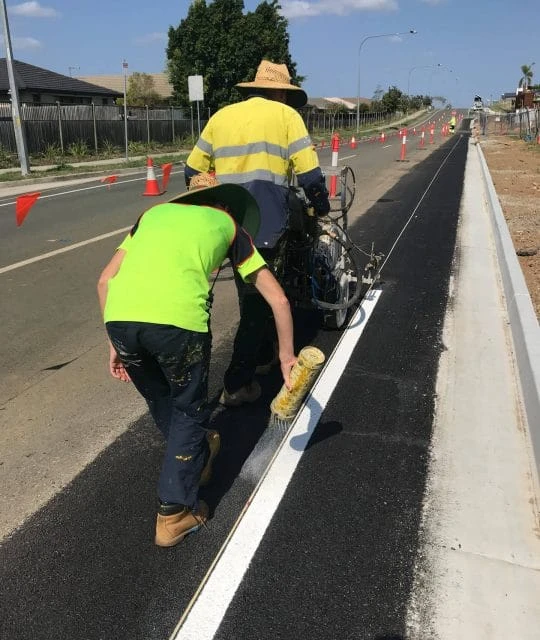
Simply put, floor marking involves applying colored lines, shapes, or symbols directly onto floors to communicate important information. These markings can guide foot traffic, separate work zones, indicate hazards, or designate storage areas. In busy environments like warehouses or factories, clear floor marking reduces the risk of collisions and improves workflow by keeping people and equipment in their proper places.
Beyond safety, floor markings also help maintain compliance with workplace regulations and standards, such as OSHA requirements in the U.S. or similar bodies worldwide. This means proper floor marking isn’t just a good idea — it’s often a legal necessity.
Common Types of Floor Marking
There’s a surprising variety of floor marking types tailored to different environments and purposes:
- Safety markings: Highlight hazards, emergency exits, or no-go zones using bright, highly visible colors.
- Traffic lines: Guide the flow of pedestrian or vehicle traffic in warehouses or manufacturing plants.
- Storage area markings: Outline where pallets, equipment, or materials should be placed to keep spaces tidy.
- Pathways and walkways: Separate pedestrian paths from machinery or forklifts for safety.
- Custom symbols and signs: Arrows, numbers, or hazard symbols to convey specific instructions quickly.
Choosing the right type of floor marking depends on your space’s unique needs and compliance requirements.
Materials and Methods Used for Floor Marking
Floor marking isn’t a one-size-fits-all solution. The materials and application methods vary depending on surface type, foot or vehicle traffic intensity, and environment. Some common materials include:
- Paint: Quick and cost-effective, often used in indoor environments with moderate traffic.
- Tape: Flexible and easy to install but usually less durable; great for temporary markings.
- Thermoplastic: Heated and applied molten, creating highly durable markings ideal for heavy-traffic industrial floors.
- Epoxy coatings: Long-lasting and resistant to chemicals and abrasion, perfect for warehouses and factories.
Professional floor marking companies will assess your needs and recommend the best material and technique to ensure durability and visibility.
Benefits of Professional Floor Marking
While DIY solutions may seem tempting, professional floor marking services offer numerous advantages:
- Precision and accuracy: Professionals ensure straight lines, correct measurements, and clean finishes.
- Durability: High-quality materials and application techniques result in markings that last longer under heavy use.
- Safety compliance: Experts know local safety codes and standards, ensuring your markings meet legal requirements.
- Customized solutions: Tailored markings suited to your specific operational flow and hazards.
Investing in professional floor marking enhances safety, reduces downtime, and creates a more organized work environment.
Maintenance Tips to Keep Floor Markings Effective
Floor markings can wear down over time, especially in high-traffic areas. Regular inspections and timely touch-ups keep your markings visible and effective. Cleaning floors properly and avoiding harsh chemicals can prolong their lifespan. Many companies offer maintenance plans to keep your floor markings in top shape year-round.





























Sign in to leave a comment.