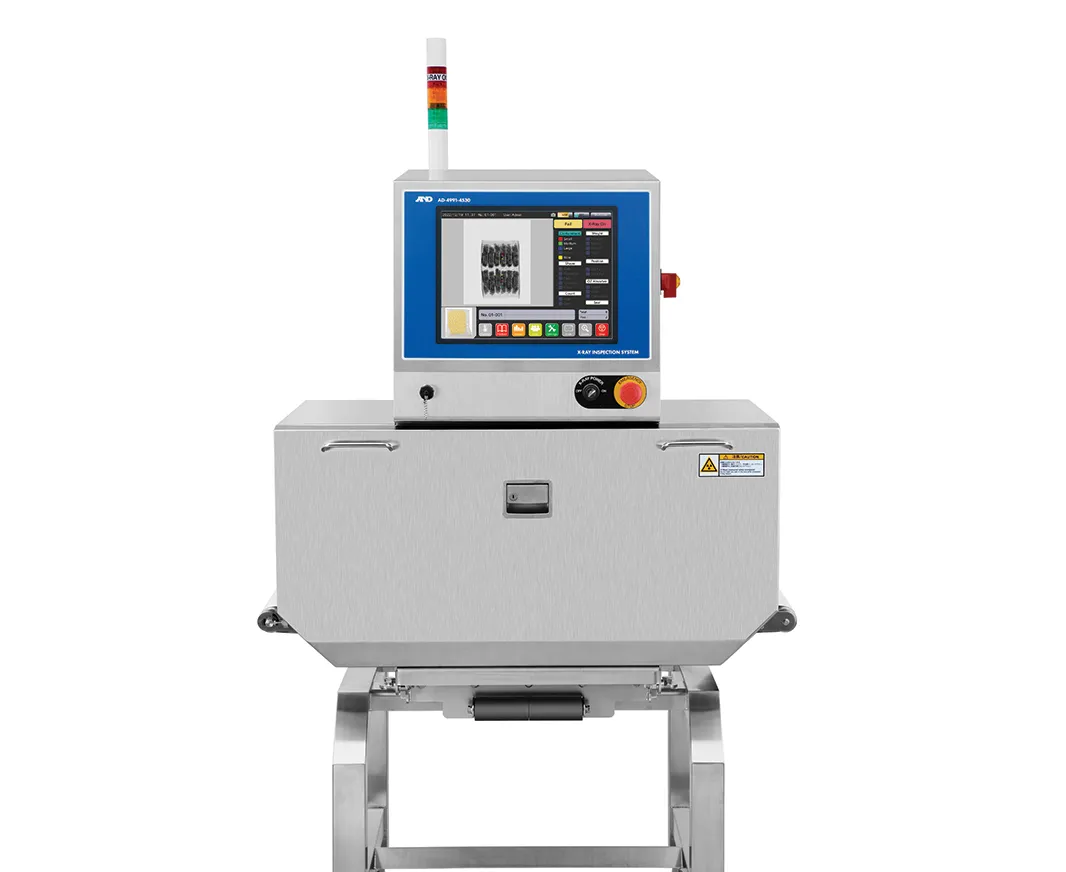

Inline X-ray detection systems are essential for ensuring product safety, quality control, and regulatory compliance—especially in industries like food processing, pharmaceuticals, and manufacturing. These advanced systems detect contaminants, verify product integrity, and safeguard brand reputation. However, to maintain peak performance and longevity, regular maintenance is critical.
Neglecting upkeep can lead to reduced detection accuracy, costly downtime, and even compliance risks.
Why Maintenance Matters for X-ray Detection Systems
Inline X-ray systems are sophisticated machines that rely on precise calibration, clean components, and stable operating conditions. Over time, factors like dust, vibration, temperature fluctuations, and continuous use can affect performance.
Proper maintenance ensures:
- Consistent detection accuracy
- Reduced false rejects
- Longer equipment lifespan
- Compliance with safety standards (e.g., HACCP)
- Minimal downtime and production disruptions
By adopting a proactive maintenance strategy, businesses can avoid unexpected breakdowns and maintain high-quality output.
1. Establish a Routine Cleaning Schedule
One of the simplest yet most effective maintenance practices is regular cleaning. Inline X-ray systems operate in environments where dust, food particles, and debris can accumulate on critical components.
Key Areas to Clean:
- Conveyor belts
- Detector windows
- X-ray tube housing exterior
- Reject mechanisms
Use non-abrasive cleaning materials and follow manufacturer guidelines to avoid damaging sensitive parts.
Pro Tip: In food processing environments, ensure cleaning procedures align with hygiene and sanitation standards to prevent contamination risks.
2. Inspect the Conveyor System Regularly
The conveyor is a vital part of the inline X-ray system, as it ensures consistent product flow through the inspection area. Any misalignment or wear can affect detection accuracy.
What to Check:
- Belt tension and alignment
- Signs of wear or damage
- Smooth movement without jerks
A poorly maintained conveyor can cause product positioning errors, leading to missed contaminants or false rejections.
3. Perform Routine Calibration Checks
Calibration is crucial for maintaining the sensitivity and accuracy of your X-ray detection system. Over time, system drift can occur, impacting performance.
Best Practices:
- Schedule regular calibration using certified test pieces
- Verify detection thresholds for different contaminants
- Document calibration results for compliance audits
Consistent calibration ensures your system detects even the smallest foreign objects reliably.
4. Monitor X-ray Tube Health
The X-ray tube is the core component of the system and requires special attention. Its performance can degrade over time due to continuous usage.
Signs of Wear:
- Reduced image clarity
- Increased noise in detection results
- Frequent system errors
Maintenance Tips:
- Follow recommended operating hours
- Avoid unnecessary power cycling
- Replace the tube as per manufacturer guidelines
Keeping the X-ray tube in optimal condition ensures consistent inspection quality.
5. Check and Maintain Cooling Systems
Inline X-ray systems generate heat during operation, and efficient cooling is essential to prevent overheating and component damage.
Maintenance Tasks:
- Clean air filters and vents
- Ensure proper airflow around the machine
- Inspect cooling fans for proper operation
Overheating can reduce system efficiency and shorten the lifespan of critical components.
6. Test Reject Mechanisms Frequently
The reject system is responsible for removing contaminated or non-compliant products from the production line. If it fails, defective products may reach consumers.
What to Test:
- Timing and accuracy of rejection
- Pneumatic or mechanical functionality
- Alignment with conveyor speed
Routine testing ensures that rejected products are consistently removed without disrupting workflow.
7. Update Software and Firmware
Modern inline X-ray systems often include advanced software for image processing, data analysis, and reporting. Keeping this software up to date is essential.
Benefits of Updates:
- Improved detection algorithms
- Enhanced user interface and functionality
- Better integration with production systems
Regular updates help maintain system efficiency and ensure compatibility with evolving industry standards.
8. Maintain Proper Environmental Conditions
Environmental factors can significantly impact the performance of your X-ray detection system.
Ideal Conditions:
- Stable temperature and humidity levels
- Minimal vibration
- Clean, dust-free surroundings
Excessive heat, moisture, or vibration can affect system accuracy and lead to premature wear.
9. Train Operators and Maintenance Staff
Even the most advanced system requires skilled operators to function effectively. Proper training ensures that staff can identify issues early and perform basic maintenance tasks.
Training Should Cover:
- Daily inspection routines
- Cleaning procedures
- Recognising warning signs and error messages
- Safe handling of X-ray equipment
Well-trained personnel play a key role in preventing minor issues from becoming major problems.
10. Schedule Preventive Maintenance and Professional Servicing
While daily and weekly maintenance can be handled in-house, periodic professional servicing is essential for comprehensive system checks.
What Professionals Do:
- Deep inspection of internal components
- Advanced calibration and testing
- Replacement of worn parts
- Compliance verification
A preventive maintenance schedule reduces the risk of unexpected failures and extends equipment life.
Common Mistakes to Avoid
To keep your inline X-ray system in top shape, avoid these common pitfalls:
- Skipping routine cleaning or inspections
- Ignoring minor performance issues
- Using incorrect cleaning materials
- Delaying calibration checks
- Overloading the system beyond its capacity
Addressing these issues early can save time, money, and operational headaches.
The Role of Maintenance in Compliance and Safety
Inline X-ray detection systems are often used to meet strict safety and quality standards. Poor maintenance can lead to non-compliance, product recalls, and reputational damage.
Regular maintenance supports compliance with:
- HACCP (Hazard Analysis and Critical Control Points)
- Food safety regulations
- Industry-specific quality standards
By keeping your system in optimal condition, you ensure consistent performance and regulatory adherence.
Future Trends: Smart Maintenance with AI and IoT
The future of X-ray system maintenance is evolving with technology. Many modern systems now incorporate:
- Predictive maintenance using AI to detect issues before they occur
- IoT connectivity for real-time monitoring
- Automated diagnostics for faster troubleshooting
These innovations reduce downtime, improve efficiency, and make maintenance more proactive than reactive.
Conclusion
Maintaining your inline X-ray detection system is essential for ensuring accuracy, efficiency, and compliance. From routine cleaning and calibration to professional servicing and staff training, each step plays a vital role in keeping your system in top shape.
By implementing these maintenance tips, businesses can maximise the lifespan of their equipment, reduce operational risks, and maintain high standards of product safety. In today’s competitive and regulated industries, a well-maintained X-ray detection system isn’t just an option—it’s a necessity.




























Sign in to leave a comment.