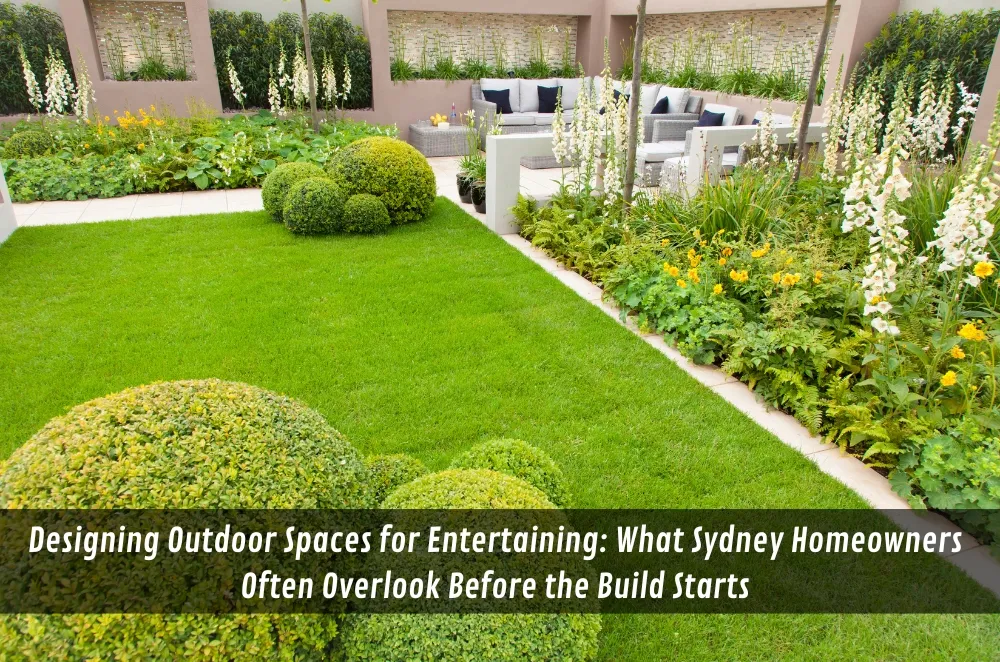

Sydney’s housing blocks are getting tighter, but that doesn’t mean outdoor living has to feel cramped. With the right landscape design decisions, a courtyard or petite backyard can look, function and even feel much larger than the survey plans suggest. Below, we explore why scale matters, the traps that accidentally shrink space, and the design principles that open it back up—without demanding every spare weekend for maintenance.
Why Small Blocks Need a Different Design Mindset
Designing for a 200 m² block in Parramatta is nothing like planning a sprawling acreage in Dural. Space restrictions make every square metre work harder, and local rules on setbacks, drainage and tree protection add layers of complexity. The Australian Government’s Your Home resource notes that thoughtful landscape planning can improve liveability, reduce heat build-up and support storm-water management—vital benefits when space is at a premium.
Key considerations include:
- Sight-lines from indoor rooms to boundary edges
- Multi-use zones that switch from play space to entertaining area
- Vertical, rather than horizontal, planting strategy
- Material choices that lighten rather than visually clutter
Getting these right early saves costly re-work later.
Common Mistakes That Shrink a Yard (and How to Avoid Them)
Many well-intentioned DIY projects leave small yards feeling even smaller. If you’re considering a revamp, avoid these pitfalls:
- Over-zoning – Too many hard edges and raised beds can fracture an already limited footprint.
- Solid boundary screening – Tall, opaque fences block breezes and trap heat. Consider slatted timber or mixed planting for airflow.
- Large format pavers everywhere – Excess hardscape bakes in summer and visually “pushes” boundaries inward.
- Ignoring vertical real estate – Empty walls and fence lines waste prime growing and storage opportunities.
For a broader homeowner checklist that applies to yards right across Western Sydney, you may find the guide A Sydney Garden You Don’t Have to Apologise For useful reading before you pick up the shovel.
Core Design Principles for Making Small Spaces Feel Bigger
Blur the Boundaries
Plant soft, layered garden beds that step down in height towards the lawn or paving. This tricks the eye into reading depth where little exists.
Use Consistent Surfacing
Mixing five different paver types might show personality, but it also chops up the available area. A single colour palette across flooring and low walls calms the visual field.
Think Vertical & Multi-Level
Green walls, trellised climbers and tiered planter boxes draw the gaze upward. Built-in bench seating with planter backs provides storage and greenery without consuming extra floor space.
Control the Focal Points
One hero element—perhaps a sculptural Waterhousia tree or a compact plunge pool—gives the yard purpose. Scatter too many focal points and the view feels cluttered.
Picking Plants That Earn Their Keep All Year Round
In small gardens, every plant must justify the soil it stands in. Look for:
- Long flowering periods – Salvias, kangaroo paws and dwarf agapanthus offer months of colour.
- Compact habits – Choose dwarf or grafted varieties that won’t outgrow the space.
- Evergreen structure – Westringia and coastal rosemary provide backbone when deciduous features drop their leaves.
- Edible ornamentals – Blueberry shrubs or espaliered citrus double as kitchen suppliers and design statements.
Tip: Group plants with similar water needs and light tolerance so irrigation zones stay efficient.
When to Call in experienced landscape design specialists
Even with a solid concept, detailed design and council compliance can be overwhelming. Soil testing, drainage plans and plant sourcing all require technical know-how. If you’d rather avoid trial-and-error, working with experienced landscape design specialists ensures the finished garden looks right and functions long term.
Professional designers can:
- Map hidden services and prevent costly surprises
- Balance softscape and hardscape to meet local storm-water rules
- Provide plant schedules that suit Sydney’s micro-climates
- Coordinate trades so the build stage stays on time
Quick Comparison: Space-Saving Features for Compact Yards
The table below distils popular small-yard elements, their benefits and what they ask of you in upkeep.
| Feature | Why It Works in Small Yards | Ongoing Maintenance |
| Built-in bench seating with storage | Doubles as seating and hides cushions, toys or garden gear | Wipe down timber/oil annually |
| Vertical herb garden | Utilises fence space, keeps edibles within reach | Replant annual herbs seasonally |
| Mirrored panels behind planting | Creates illusion of extra depth | Clean glass, check for bird strikes |
| Narrow plunge pool | Provides cooling and a focal point without losing entire yard | Balance chemicals, skim debris |
| Retractable shade sail | Offers sun control only when needed, reducing permanent bulk | Inspect fixings, clean fabric |
Final Thoughts
Small Sydney yards ask designers to be resourceful, but they also reward creativity with intimate, highly liveable outdoor rooms. Focus on seamless surfacing, clever vertical elements and plant choices that work hard year-round, ideally guided by a reliable Sydney landscaping team. And remember: engaging a professional early can spare you layout regrets and weekend-eating tweaks down the track. With a clear strategy, even the most compact block can feel like the spacious retreat you imagined.






















Sign in to leave a comment.