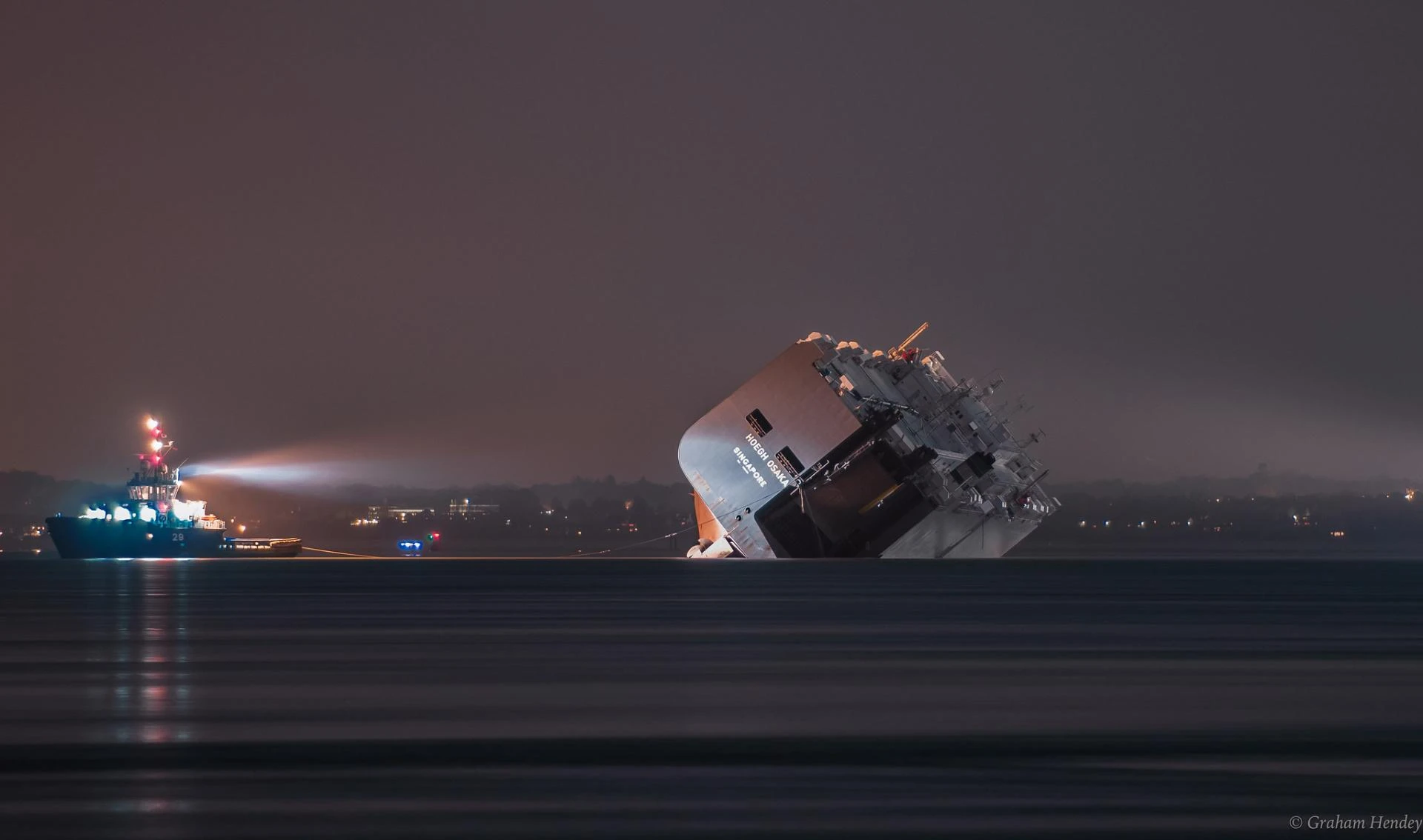

Maritime salvage is an indispensable sector in the global shipping and maritime industries, focused on the recovery of vessels, cargo, and materials following accidents such as shipwrecks, groundings, or collisions. This specialized field combines technical expertise, cutting-edge technology, and environmental stewardship to ensure safety at sea and prevent further losses. Beyond its economic significance, maritime salvage plays a vital role in protecting fragile marine ecosystems, often serving as a frontline defense against environmental disasters.
1. The Importance of Maritime Salvage
As the backbone of international trade, the shipping industry relies on the uninterrupted flow of goods and services. When a vessel encounters trouble—whether from bad weather, technical failures, or human error—salvage operations become crucial. The importance of salvage lies in:
- Economic Protection: Salvaging cargo and vessels reduces financial losses for shipowners, insurers, and businesses relying on maritime transportation.
- Environmental Safety: Timely salvage prevents hazardous spills, such as oil or chemical leaks, protecting marine habitats and coastal communities.
- Navigational Safety: Removing sunken or stranded ships clears vital waterways, ensuring safe passage for other vessels.
2. Types of Maritime Salvage Operations
Maritime salvage encompasses a wide range of operations tailored to specific incidents. Common types include:
a. Emergency Salvage
Immediate action is required when a vessel is in distress to prevent total loss or environmental damage. Emergency salvage operations often involve firefighting, patching breaches in hulls, or stabilizing a sinking ship.
b. Wreck Removal
When a vessel is deemed unsalvageable, wreck removal becomes necessary. This operation involves dismantling and removing the wreckage to clear navigational routes or protect sensitive ecosystems.
c. Refloating Grounded Vessels
Ships that run aground on sandbanks, reefs, or rocky shores can be refloated using techniques like dredging, ballast adjustments, and the application of lifting airbags.
d. Cargo Salvage
In certain cases, the cargo onboard may be the most valuable asset. Salvors prioritize recovering high-value or hazardous cargo, such as oil, chemicals, or historical artifacts.
e. Deep-Sea Salvage
When vessels or cargo sink to great depths, advanced technologies such as remotely operated vehicles (ROVs) or autonomous underwater vehicles (AUVs) are employed to locate and recover them.
3. The Salvage Process: Step-by-Step
- Assessment and Planning: Salvage teams conduct detailed assessments of the vessel's condition, location, and surrounding environment. They develop customized recovery plans based on these findings.
- Stabilization: Immediate actions are taken to stabilize the vessel, such as patching leaks or deploying pumps to remove water.
- Recovery Execution: Using specialized equipment like cranes, airbags, or heavy-duty winches, salvors refloat or dismantle the vessel.
- Environmental Management: Containing spills and safely disposing of hazardous materials are critical steps to prevent ecological damage.
- Final Disposal or Repair: Once recovered, the vessel may be repaired, recycled, or scrapped, depending on its condition and value.
4. Equipment and Technology in Maritime Salvage
Modern salvage operations rely on advanced tools and innovative technologies to ensure efficiency and safety:
- ROVs and AUVs: These underwater robots assist in mapping wreckage, performing inspections, and recovering submerged cargo in deep or hazardous waters.
- Heavy-Lift Cranes: Used for lifting large sections of wreckage or stranded vessels.
- Airbags and Buoyancy Systems: These devices provide lift to partially submerged or grounded vessels, enabling refloating.
- Cutting Tools and Welding Equipment: Hydraulic and thermal tools are essential for dismantling wrecks in wreck removal operations.
- Oil Booms and Skimmers: Deployed to contain and clean up oil spills during salvage operations.
5. Legal Framework and Salvage Rights
The legal aspects of maritime salvage are governed by international conventions, such as the International Convention on Salvage (1989). This framework establishes guidelines for compensation and responsibilities.
- No Cure, No Pay Principle: Salvors are only compensated if they successfully recover the vessel or cargo.
- Special Compensation: Additional payment is provided if the salvors mitigate environmental damage, even if the vessel or cargo is not recovered.
- Salvage Contracts: Agreements like Lloyd’s Open Form (LOF) outline the terms of salvage operations, ensuring clarity between salvors and vessel owners.
Salvors also have a legal obligation to minimize environmental harm and comply with local and international environmental regulations.
6. Environmental Considerations in Salvage
Environmental protection has become a cornerstone of modern salvage operations. Stranded or sunken vessels often carry pollutants, such as fuel, chemicals, or hazardous cargo, which pose significant risks to marine ecosystems. Salvage teams must:
- Deploy containment measures, like booms, to prevent the spread of pollutants.
- Safely remove and dispose of hazardous materials.
- Use environmentally friendly equipment and techniques to minimize disruption to marine habitats.
Salvage operations near sensitive ecosystems, such as coral reefs or marine reserves, require careful planning to avoid collateral damage.
7. Challenges in Maritime Salvage
Salvage operations are inherently complex and face numerous challenges:
- Adverse Conditions: Salvors often work in extreme weather, rough seas, or deep-water environments.
- Safety Risks: The presence of hazardous materials, unstable wreckage, and underwater currents poses risks to personnel.
- Logistical Complexity: Coordinating equipment, personnel, and resources across international waters is a daunting task.
- Time Sensitivity: Delays in salvage operations can exacerbate environmental damage or vessel deterioration.
8. Key Players in the Salvage Industry
Several companies are globally renowned for their expertise in maritime salvage:
- SMIT Salvage: Known for high-profile operations, including the Costa Concordia wreck removal.
- Resolve Marine Group: Specializes in emergency response, wreck removal, and environmental services.
- Ardent Global: Focuses on innovative salvage solutions and environmental protection.
These companies often collaborate with governments, insurers, and environmental agencies to ensure successful operations.
9. Case Studies in Maritime Salvage
The Ever Given Incident (2021)
The grounding of the Ever Given in the Suez Canal brought global trade to a standstill. Salvage teams worked tirelessly to refloat the massive container ship using dredging, tugboats, and ballast adjustments. This operation highlighted the importance of salvage in maintaining global trade routes.
Costa Concordia Wreck Removal (2012)
One of the largest and most complex salvage operations in history, the Costa Concordia salvage involved righting and towing the capsized cruise ship. The innovative parbuckling technique used showcased the engineering ingenuity of modern salvage operations.
10. The Future of Maritime Salvage
The maritime salvage industry continues to evolve with advancements in technology and a growing emphasis on sustainability. Future trends include:
- Green Salvage Practices: Companies are adopting environmentally friendly methods, such as recycling wreck materials and reducing carbon footprints.
- AI and Automation: Artificial intelligence is being used to optimize salvage planning, predict risks, and enhance efficiency.
- Climate Resilience: As climate change increases the frequency of severe storms and rising sea levels, salvage operations will become even more critical in protecting coastal infrastructure.
11. Conclusion
Maritime salvage is a vital field that ensures the safety, efficiency, and sustainability of global maritime operations. Whether recovering a grounded vessel, mitigating environmental disasters, or clearing navigational hazards, salvors play a crucial role in protecting lives, preserving ecosystems, and supporting international trade. As technology and environmental awareness advance, maritime salvage will continue to adapt, ensuring a safer and more sustainable future for our oceans.

























Sign in to leave a comment.