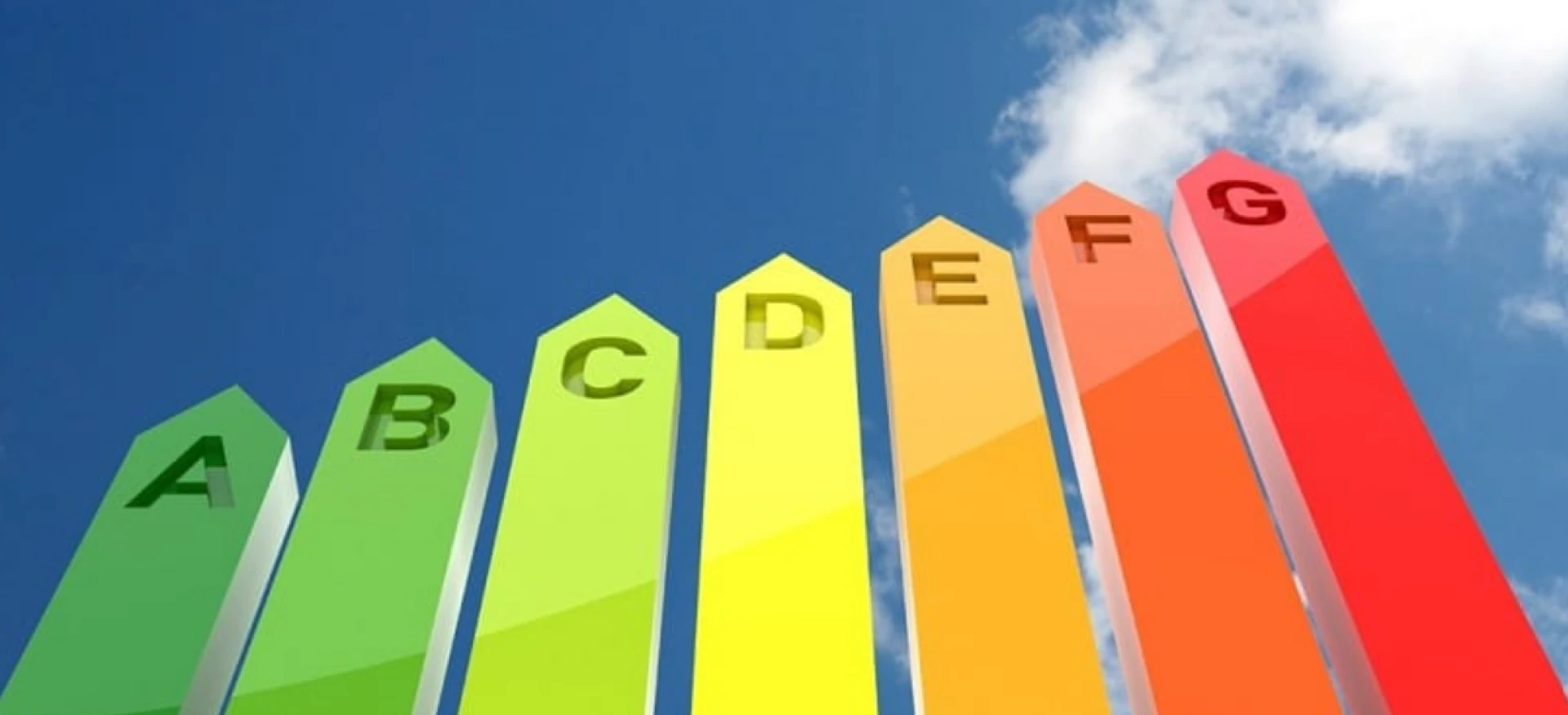
A Massachusetts Home Energy Assessment is a comprehensive evaluation of a home's energy consumption patterns, aimed at identifying opportunities to enhance energy efficiency, reduce utility bills, and improve overall comfort. In Massachusetts, programs like Mass Save® collaborate with local utilities and energy efficiency service providers to offer homeowners no-cost energy assessments, facilitating the transition to more energy-efficient homes.
Understanding the Home Energy Assessment Process
During a home energy assessment, certified professionals conduct a thorough inspection of various components that influence energy usage:
- Insulation and Air Sealing: Assessing the quality and coverage of insulation in walls, attics, and basements to prevent heat loss. Identifying and sealing air leaks that can lead to drafts and increased heating or cooling demands.
- Heating and Cooling Systems: Evaluating the efficiency and condition of HVAC systems to ensure they operate optimally without unnecessary energy consumption.
- Appliances and Lighting: Reviewing the energy efficiency of household appliances and lighting fixtures, recommending upgrades to ENERGY STAR® certified products where applicable.
- Windows and Doors: Inspecting for drafts, proper sealing, and the insulating properties of windows and doors to minimize energy loss.
After the assessment, homeowners receive a detailed report outlining current energy usage and tailored recommendations for improvements. These suggestions may range from simple DIY tasks, like installing weather stripping, to more significant upgrades, such as adding insulation or replacing outdated heating systems.
Cost Implications of Energy Assessments and Upgrades
One of the most appealing aspects of the Massachusetts Home Energy Assessment is its cost-effectiveness. Thanks to initiatives like Mass Save®, homeowners can access these assessments at no cost. This program, in partnership with local utility companies, aims to promote energy efficiency across the state by removing financial barriers to initial evaluations.
After the assessment, the cost of recommended upgrades can vary:
- Insulation Enhancements: Depending on the area and type of insulation, costs can range from a few hundred to several thousand dollars. However, proper insulation can lead to substantial savings on heating and cooling bills over time.
- HVAC System Upgrades: Replacing an outdated furnace or air conditioner with a high-efficiency model can be a significant investment, but it often results in lower energy bills and improved home comfort.
- Air Sealing and Weatherization: Sealing gaps and cracks is a relatively low-cost measure that can yield immediate benefits in energy savings and indoor comfort.
To alleviate the financial burden of these improvements, Massachusetts offers various incentives and rebates. For instance, the Mass Save® program provides rebates for qualifying energy-efficient upgrades and offers 0% interest HEAT Loans to help homeowners finance larger projects. These loans can cover costs associated with insulation, heating system replacements, and other energy efficiency measures, making it more feasible for homeowners to invest in substantial upgrades.
High Efficiency Energy Solutions: A Partner in Energy Efficiency
High Efficiency Energy Solutions is a leading home performance contractor serving Cape Cod, the South Coast, and the South Shore of Massachusetts. Their team of highly trained technicians employs a "whole house" diagnostic approach, recognizing that every detail—from doors and windows to insulation and HVAC systems—plays a role in the home's energy efficiency. Through no-cost home assessments facilitated by Mass Save®, they provide homeowners with a clear path toward a more efficient, healthy, and environmentally friendly home, with the added benefit of reducing utility expenses.
Benefits Beyond Cost Savings
Investing in a home cost energy assessment and subsequent upgrades offers numerous advantages:
- Enhanced Comfort: Proper insulation and air sealing maintain consistent indoor temperatures, eliminating drafts and cold spots.
- Improved Indoor Air Quality: Upgrades can reduce indoor pollutants and allergens, contributing to a healthier living environment.
- Environmental Impact: Reducing energy consumption decreases greenhouse gas emissions, contributing to broader sustainability efforts.
- Increased Property Value: Energy-efficient homes are often more attractive to buyers, potentially increasing the property's market value.
Conclusion
A Massachusetts Home Energy Assessment is a pivotal step toward achieving a more energy-efficient and comfortable home. With programs like Mass Save® offering no-cost assessments and financial incentives for recommended upgrades, homeowners have a unique opportunity to enhance their living spaces while reducing energy bills.
Partnering with experienced contractors like High Efficiency Energy Solutions ensures that the journey toward energy efficiency is guided by expertise and tailored to the unique needs of each home. Embracing these initiatives not only leads to personal financial savings but also contributes to a more sustainable future for the community at large.





























Sign in to leave a comment.