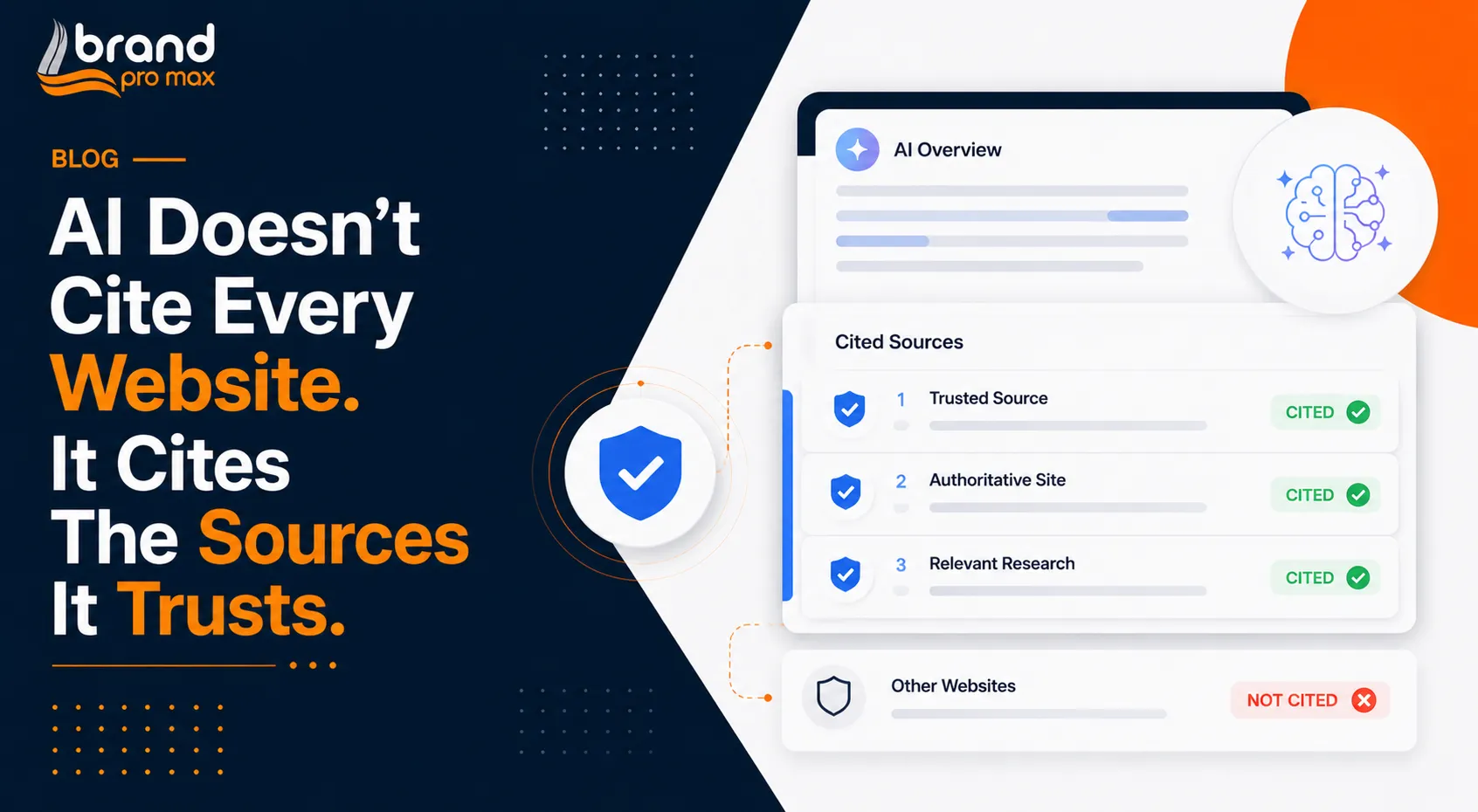

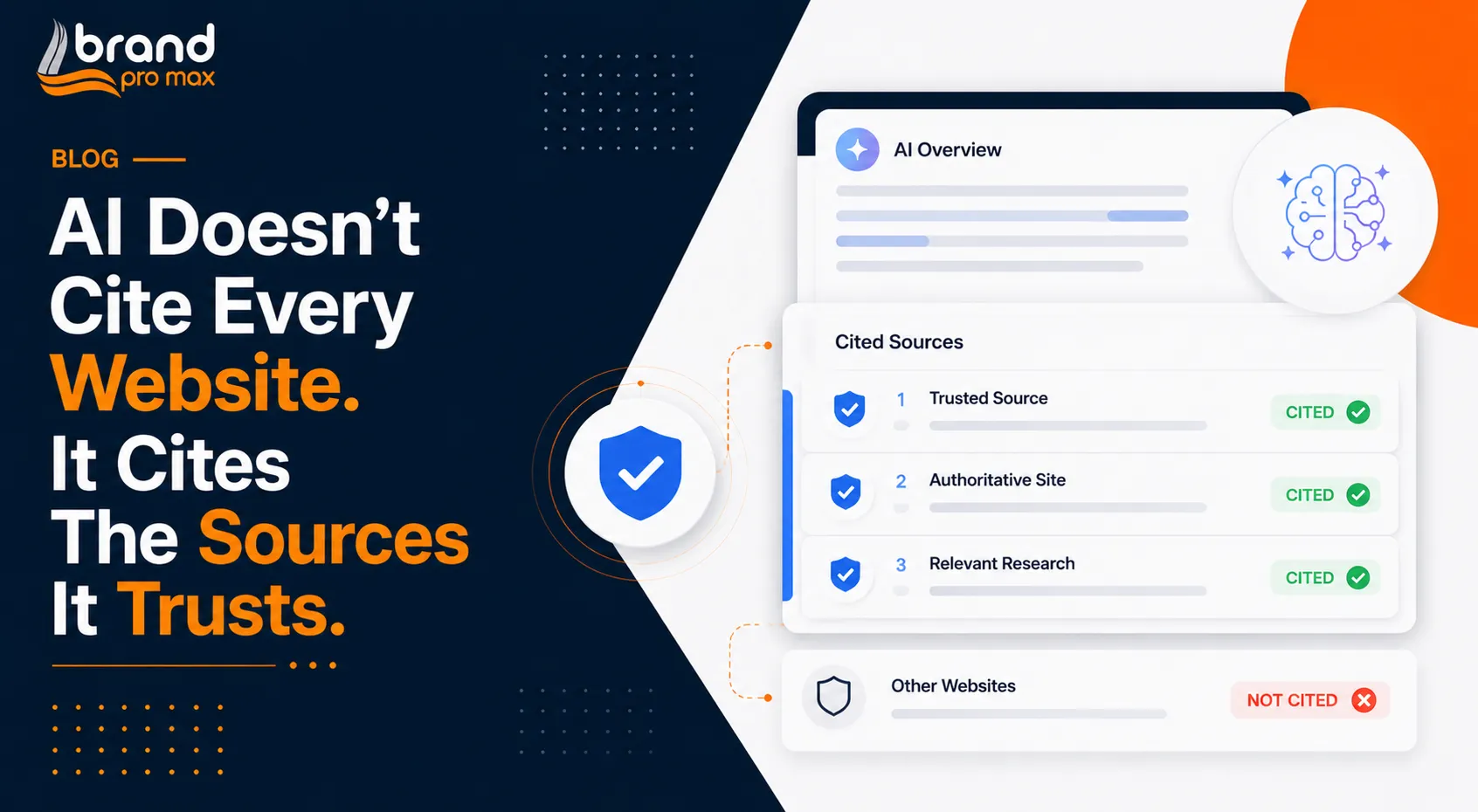
People don't just search anymore. They ask AI. Questions like "What's the best CRM for startups?" or “What agency is leading in AI search optimization?” now go straight to ChatGPT, Gemini, Claude, and Perplexity. Instead of returning ten blue links, these platforms generate an answer and mention the sources they trust.
An AI citation places your brand directly inside the conversation, often before a prospect visits your website or compares alternatives. For businesses, that creates a new opportunity to build visibility at the point where buying decisions begin.
This guide explains how AI citations work, why they matter for Generative Engine Optimization (GEO), and the practical steps that help brands earn more citations across AI search platforms.
Why AI Citations Matter More Than Rankings
When ChatGPT, Gemini or Google's AI Overviews answer a question, they select information from sources they deem reliable. A citation means your work is considered a reliable source by the platform.
That affects more than just visibility.
AI citations improve brand credibility
AI platforms that refer to the same source repeatedly for a topic give more weight to recommendations. Frequent citations add to your authority in a particular topic area.
They influence buying decisions early
Before they visit a site, many users ask AI tools for recommendations, demos, or vendor comparisons. A citation puts your brand in front of potential clients during the research stage.
They build topical authority
Brands are connected to the themes they keep talking about by search engines and AI systems. The greater the associations, the more frequent the reference.
They support GEO performance
Generative Engine Optimization is about optimizing your content for AI systems to find, interpret and reference. One of the most visible signs that those efforts are paying off are AI citations.
Sometimes an AI citation provides something rankings do not. It makes your brand part of the answer, not just another option on a results page.
Also Read: SaaS AI Search Optimization: 8 Steps to Dominate AI Search
How AI Platforms Choose What to Cite
AI platforms don't pull info fr om random websites. They search for sources they trust and can quote confidently before answering a question.
Few things affect that decision.
Authority on the topic
AI doesn’t define your knowledge based on one article. It has a big-picture view. The more consistently you generate high-quality content on a subject, the easier it is for AI to recognize your knowledge.
Example: A site that goes deep into LLM SEO, Entity SEO, AI Search, AI citations, and GEO is a far higher competence signal than a site that has one post on AI search.
Entity detection
AI sees brands, companies, products and people as entities. Strong entity signals assist it in associating your brand with the issues you want to be renowned for.
For instance, if your firm is routinely listed on your website, Google firm Profile, LinkedIn, industry directories, and media coverage, AI has a far better idea of who you are and what you do.
Third-party validation
Your website can notify folks that you are an expert. It’s proven by independent sources.
Mentions in industry journals, digital PR campaigns, podcasts, guest pieces, research studies and respectable company directories strengthen your credibility and give AI greater confidence in your knowledge.
Structure and retrieval of content
Even the best content is harder to use if it’s not well structured. If pages are well structured, the AI can extract the information more readily.
Descriptive headings, clear responses, FAQ sections, schema markup, and semantic HTML all make your content easier to comprehend and cite.
Accuracy and timeliness
AI likes data that is true now. Keeping stats fresh, replacing old examples, and refreshing content can help keep trust and increase the chances of your content being discovered.
At the end of the day, AI citations aren’t a single ranking factor. They are a combination of authority, entity signals, outside validation, highly structured material, and fresh content.
The GEO Playbook for More AI Citations
Generative Engine Optimization (GEO) is the practice of optimizing your brand to be more understandable, findable, and recognizable for AI systems. The objective is not just to publish more content. The objective is to produce content that AI systems want to reference.
These are the practices that make the most difference.
Create topical authority
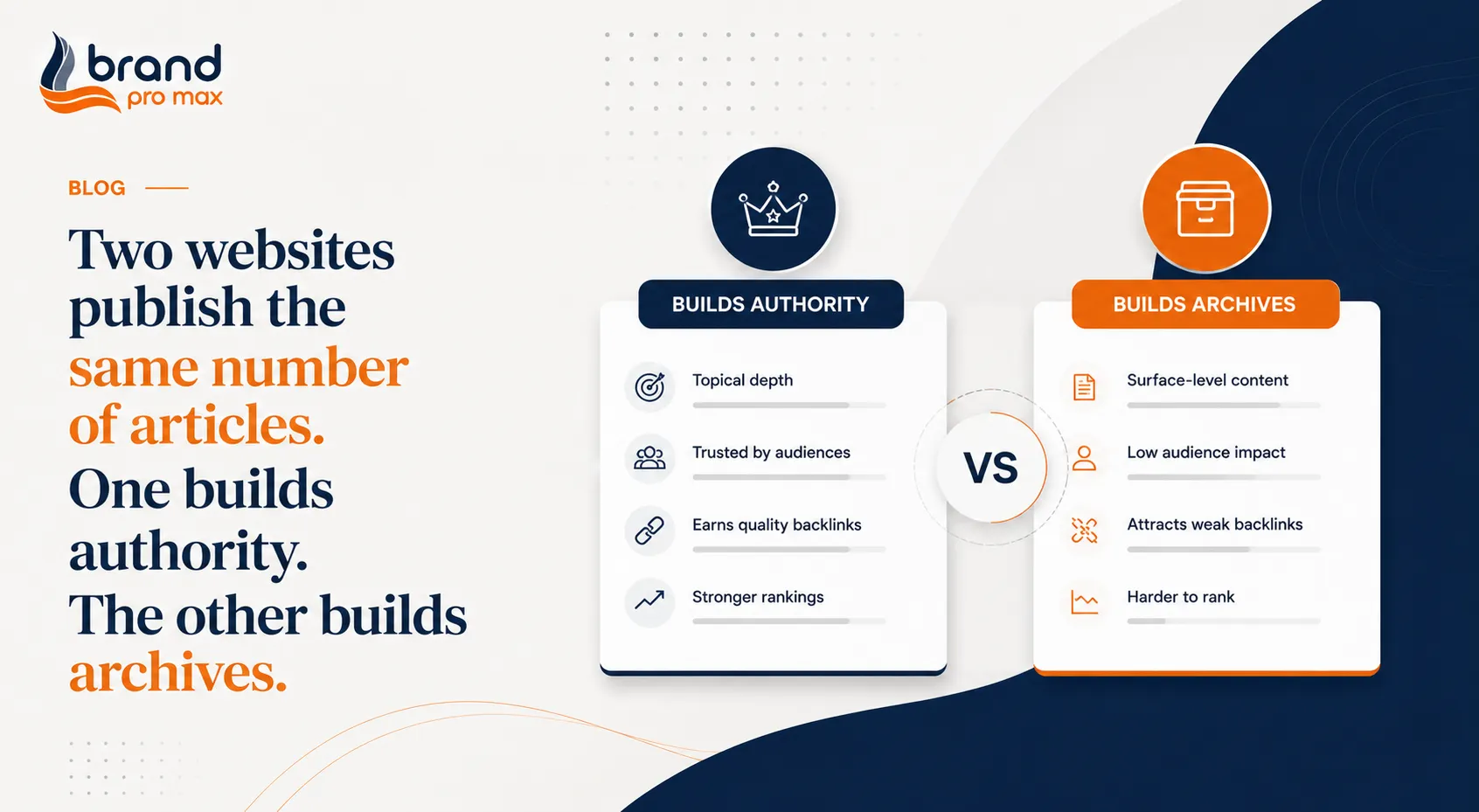
Learn about a topic well before moving on to related areas. Pillar sites, topic clusters, and supporting assets provide a means to build stronger associations between your brand and a specific knowledge domain in the eyes of search engines.
Pro Tip: Depth over width. Twenty articles on one core issue tend to provide stronger authority signals than twenty articles on unrelated topics.
Improve your Entity SEO
Entity SEO helps AI algorithms know who your brand is, what it is about, and how it connects to related concepts.
Structured data, author profiles and authoritative mentions all contribute to better entity recognition, as consistent business information.
Pro Tip: Do a quarterly audit of your organization signals. Business descriptions, service categories, schema markup and author information should all communicate the same competence across all the places your brand appears.
Create Citation-Worthy Content
AI systems don’t mention stuff because it’s there. They mention content because it answers a question better than other content.
Pages that contain unique research, proprietary frameworks, expert insights, data, practical examples, and well-supported viewpoints tend to have more retrieval value than pages that simply repeat content that can be found on dozens of websites.
Pro Tip: Before you publish, ask yourself one question: Would another expert resort to this page to explain the topic? If not, the subject probably requires more depth or uniqueness.
Receive Mentions From Trusted Websites
AI systems want confirmation. When quality websites talk about your brand in the correct context, they have more faith that your firm is a real organization.
Guest posts, digital PR, expert interviews, podcasts, research studies, industry roundups and renowned company directories all establish that trust.
You don’t need hundreds of citations. A few from reputable industry magazines might mean much more than dozens of low-quality backlinks.
Pro Tip: Go for sites your audience already knows and trusts. Those mentions can help you show up in AI search while building your brand’s credibility.
Schema Markup
Schema markup gives search engines additional information about your business, content, products, services, and authors in a machine-readable format. This extra context helps retrieval systems to better understand relationships between entities and helps to reduce ambiguity.
All of these provide useful signals, using Organization, Person, Article, Service, FAQ, and Product schema to accurately describe your content.
Schema won’t get you AI citations on its own, but it does help AI systems interpret your content with more confidence.
Pro Tip: Keep your schema aligned with your page content. Inaccurate or outdated structured data weakens trust instead of strengthening it.
Update the Content Regularly
AI systems trust information which is more consistent with the state of an issue at the present time. And a page with old examples, broken references, and old data is not useful.
Go back over your best content on a frequent basis. Update material, replace old references, expand sections where new developments have occurred, and remove information that no longer reflects industry best practices.
Pro Tip: Update your evergreen pages when you publish new articles. Those updates are often more valuable than beginning from scratch due to existing authority.
Make Your Brand Consistent Everywhere
AI isn’t only on your website. It looks at several sources before determining if your brand is worthy of a mention.
That’s why consistency counts. Google Business Profile, your website, LinkedIn profile, business directories, author bios and media mentions should all tell the same story about who you are, what you do, and where your expertise rests.
Pro Tip: Write one clear brand description and use it across every platform where your business appears.
Must Read: AI Citation Tracking Methods to Monitor and Increase Brand Mentions
How to Check if AI Is Citing Your Brand
There is no one dashboard to view AI citations. There are a few different ways you can tell how often your brand shows up in AI-generated responses.
Here are the most helpful ways to keep track of them.
Test prompts across AI platforms
Run the same commercial and informational queries at ChatGPT, Gemini, Claude, Perplexity and Google’s AI Overviews. Track the number of times your brand is mentioned, the context of those comments, and the competitors being discussed.
Track AI citations over time
One example doesn't teach you much. Do the same prompts every month and see if you notice any patterns. If you’re showing up consistently across relevant issues, that’s a bigger signal than showing up here and there.
Monitor branded searches’ demand
Many users seek a firm once they've found it with AI. If referral traffic is low, but branded search volume is high, this may be a sign that AI suggestions are helping drive awareness.
Check referral traffic
Some AI platforms have outbound connectivity. You can use analytics tools to see referral visits from these sources, but that’s only part of the story.
Connect AI Visibility to Business Results
Ask new leads how they heard about you. Eventually, you will start seeing conversations that began with ChatGPT, Gemini or any other AI platform before someone arrives at your website.
AI citations are important if they drive qualified visitors, better brand memory, and improved sales interactions.
How Brand Pro Max Helps Brands Earn AI Citations
AI citations originate from establishing solid entity signals, showing relevant competence, posting well-structured information, and creating trust across the web.
That’s exactly what Brand Pro Max is. Our LLM SEO and GEO approach combines all these parts together so that your organization can be more discoverable in AI search.
- AI citation strategy: We build material around the questions consumers actually ask AI tools, helping your brand to emerge for both commercial and informational searches.
- Entity SEO implementation: We enhance entity signals on your entire website, schema markup, company profiles, and trusted third-party sources, helping AI systems to recognize and understand your brand with increased confidence.
- Authority Building: We support the legitimacy AI systems seek before citing a source through digital PR, expert contributions, smart content distribution and industry mentions.
- Retrieval-ready material: We give your content structure and a logical hierarchy of information so that retrieval systems can easily identify, interpret, and cite the information that counts.
Continuous AI visibility tracking: Continuous tracking of AI search is never static. We test prompts, track citations, and assess performance, so you can identify new chances and improve your visibility.
You can’t just publish stuff and get AI citations. Your brand must be a trusted source of AI systems.
Want your business to appear more often in AI-generated answers? Partner with Brand Pro Max to build a GEO strategy that strengthens authority, improves AI citations, and increases your visibility across modern AI search platforms.

























Sign in to leave a comment.