

In today’s rapidly evolving digital ecosystem, businesses are increasingly turning to referral programs to drive sustainable growth. However, navigating Closed-Loop Referral Challenges can be more complex than it initially appears. While referral systems promise measurable ROI and stronger community engagement, organizations often encounter obstacles that prevent them from fully leveraging their potential. Understanding these challenges—and how to overcome them—is essential for building a truly effective closed-loop referral strategy.
Understanding Closed-Loop Referral Systems
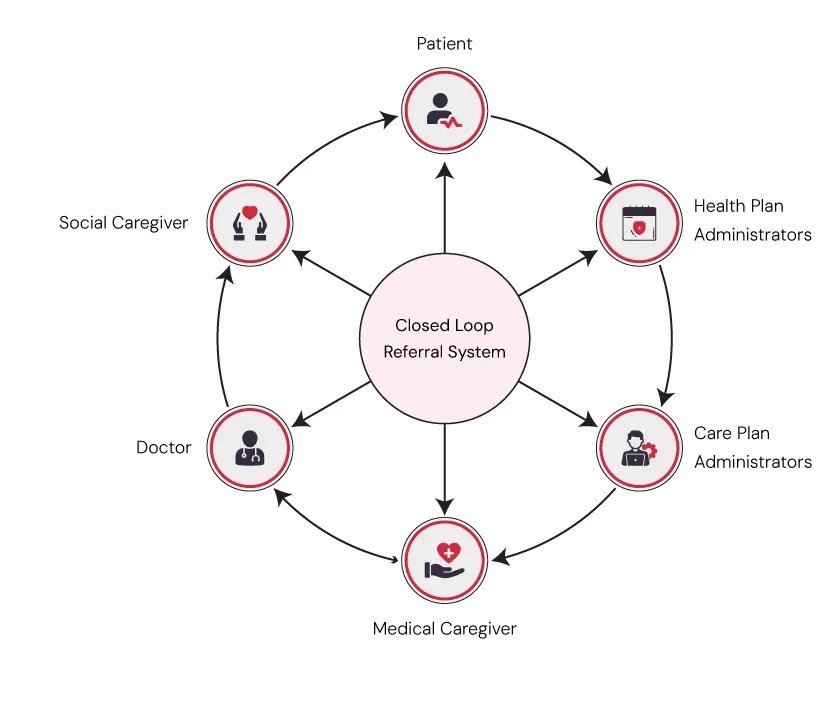
Closed-loop referral systems are designed to track and measure the entire referral journey—from the moment a referral is made to the final conversion and beyond. Unlike open-loop systems, which lack complete visibility, closed-loop systems provide a full-cycle view of performance, allowing businesses to refine their strategies with precision.
At their core, these systems integrate data across multiple touchpoints, enabling organizations to:
- Track referral sources accurately
- Measure conversion rates
- Attribute revenue to specific advocates
- Optimize campaigns in real time
Despite these benefits, implementing such systems is far from straightforward.
Why Closed-Loop Referral Systems Matter
Before diving into the challenges, it’s important to understand why closed-loop referral systems are worth the effort. Businesses that successfully implement them gain a competitive edge through:
1. Enhanced Data Accuracy
Closed-loop systems eliminate guesswork by providing reliable, end-to-end tracking of referrals.
2. Improved Customer Trust
When referrals are tracked transparently, both advocates and referees feel more confident in the system.
3. Better ROI Measurement
Organizations can directly link referrals to revenue, making it easier to justify marketing investments.
4. Scalable Growth Opportunities
With clear insights, businesses can scale their referral programs efficiently without losing control.
However, these advantages come with a set of challenges that must be addressed strategically.
Top Closed-Loop Referral Challenges
1. Data Fragmentation Across Systems
One of the most common issues is data silos. Referral data often exists across multiple platforms—CRM systems, marketing tools, and analytics dashboards. This fragmentation makes it difficult to create a unified view of the referral journey.
Solution:
Integrate systems using APIs or centralized platforms that consolidate data into a single dashboard.
2. Inaccurate Attribution Models
Attribution is a critical component of closed-loop systems. However, many organizations struggle to accurately assign credit to the right referral source.
Common pitfalls include:
- Multiple touchpoints confusing attribution
- Lack of standardized tracking methods
- Over-reliance on last-click attribution
Solution:
Adopt multi-touch attribution models that consider the entire customer journey rather than just the final interaction.
3. Limited Visibility into Customer Journeys
Even with advanced tools, gaining full visibility into customer behavior can be challenging. Missing data points can lead to incomplete insights.
Solution:
Implement robust tracking mechanisms such as unique referral codes, cookies, and integrated analytics tools to ensure comprehensive data capture.
4. Resistance to Change Within Organizations
Introducing a closed-loop referral system often requires significant changes in workflows and processes. Teams may resist adopting new tools or strategies.
Solution:
- Provide training and education
- Highlight the benefits of the system
- Encourage cross-functional collaboration
5. Complexity in Integration
Integrating referral systems with existing technology stacks can be technically demanding. Compatibility issues may arise, leading to delays and increased costs.
Solution:
Choose scalable platforms designed for seamless integration and work with experienced developers to ensure smooth implementation.
6. Maintaining Data Privacy and Compliance
With increasing regulations around data privacy, businesses must ensure that their referral systems comply with legal requirements.
Key concerns include:
- User consent
- Data storage security
- Compliance with regulations like GDPR
Solution:
Implement strict data governance policies and use secure platforms that prioritize compliance.
7. Difficulty in Measuring Long-Term Impact
While short-term metrics like conversions are easy to track, measuring the long-term value of referrals—such as customer lifetime value—can be challenging.
Solution:
Develop metrics that go beyond immediate conversions, including retention rates and repeat purchases.
Strategies to Overcome Closed-Loop Referral Challenges
Build a Unified Data Ecosystem
Creating a centralized data system is crucial for overcoming fragmentation. By integrating all referral-related data into one platform, businesses can gain a holistic view of performance.
Leverage Advanced Analytics Tools
Modern analytics tools can provide deeper insights into customer behavior and referral performance. These tools help identify patterns and optimize campaigns effectively.
Focus on User Experience
A seamless referral experience encourages participation and improves conversion rates. Ensure that the referral process is simple, intuitive, and rewarding.
Implement Automation
Automation can streamline processes such as tracking, reporting, and reward distribution. This reduces manual effort and minimizes errors.
Continuously Optimize Campaigns
Closed-loop systems enable real-time optimization. Regularly analyze data and adjust strategies to improve performance.
The Role of Technology in Solving Referral Challenges
Technology plays a pivotal role in addressing the complexities of closed-loop referral systems. From AI-driven analytics to automated workflows, modern tools can significantly enhance efficiency.
Key Technologies Include:
- Customer Relationship Management (CRM) Systems
- Marketing Automation Platforms
- Data Analytics Tools
- Referral Management Software
By leveraging these technologies, businesses can overcome many of the challenges associated with closed-loop referrals.
Real-World Applications and Benefits
Organizations across industries are successfully using closed-loop referral systems to drive growth. For example:
- E-commerce companies use referral tracking to boost sales
- SaaS businesses leverage referrals for customer acquisition
- Nonprofits utilize referral networks to expand their reach
In each case, overcoming closed-loop referral challenges leads to measurable improvements in performance.
Best Practices for Implementing Closed-Loop Referral Systems
1. Define Clear Objectives
Start with specific goals, such as increasing conversions or improving customer retention.
2. Choose the Right Tools
Select platforms that align with your business needs and integrate easily with existing systems.
3. Train Your Team
Ensure that all stakeholders understand how the system works and how to use it effectively.
4. Monitor Performance Regularly
Track key metrics and make data-driven decisions to optimize your strategy.
5. Prioritize Transparency
Maintain clear communication with participants to build trust and encourage engagement.
Future Trends in Closed-Loop Referral Systems
As technology continues to evolve, closed-loop referral systems are becoming more sophisticated. Emerging trends include:
- AI-powered personalization
- Predictive analytics for referrals
- Blockchain-based tracking for transparency
- Enhanced mobile referral experiences
These innovations will further reduce challenges and improve the effectiveness of referral programs.
Conclusion
Closed-loop referral systems offer immense potential for businesses looking to scale sustainably. However, the journey is not without obstacles. From data fragmentation to integration complexities, Closed-Loop Referral Challenges require strategic planning and the right tools to overcome.
By focusing on data integration, leveraging advanced technologies, and prioritizing user experience, organizations can unlock the full potential of their referral programs. The key lies in continuous optimization and a commitment to transparency and innovation.
When implemented effectively, closed-loop referral systems not only drive growth but also build stronger relationships with customers—creating a win-win scenario for everyone involved.




























Sign in to leave a comment.