
In the fast-paced digital world, your landing page is often the first interaction potential customers have with your brand. It's your digital storefront, your virtual handshake, and your opportunity to make a lasting impression. A well-crafted landing page can be the difference between a bounce and a conversion, between a lost lead and a loyal customer. Let's dive into comprehensive strategies for creating landing pages that not only capture attention but also drive conversions
1. Define Your Unique Value Proposition (UVP)
Your UVP is the cornerstone of your landing page. It's the concise statement that communicates why your product or service is better than the competition. To craft an effective UVP:
- Identify your target audience's pain points
- Explain how your offering solves these problems
- Highlight what sets you apart from competitors
Your UVP should be prominently displayed, typically in the hero section of your landing page. Make it clear, compelling, and impossible to miss.
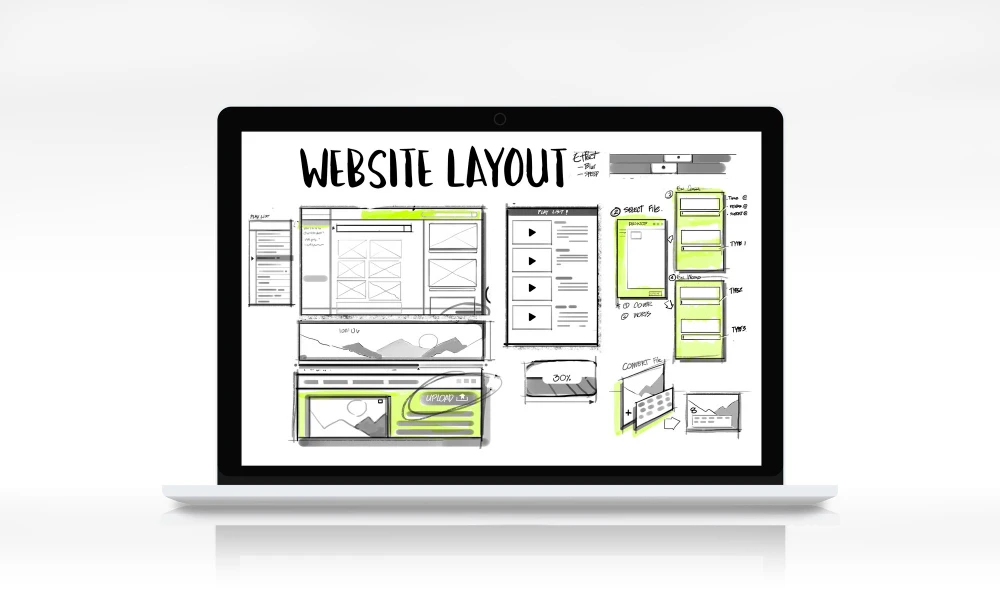
2. Design with Purpose
The visual appeal of your landing page is crucial, but aesthetics should never compromise functionality. Follow these design principles:
- Embrace white space: Give your content room to breathe
- Use a clear visual hierarchy: Guide the user's eye to important elements
- Choose colors wisely: Use your brand colors, but ensure readability
- Opt for high-quality, relevant images: They should enhance, not distract
Remember, every design element should serve a purpose in moving the visitor towards conversion.
3. Craft Compelling Copy
Your words have the power to persuade. Here's how to make them count:
- Start with a strong headline: It should grab attention and convey your UVP
- Use subheadings to break up text and highlight key points
- Keep paragraphs short and scannable
- Focus on benefits, not just features
- Use active voice and action-oriented language
- Incorporate social proof: testimonials, case studies, or statistics
Your copy should address the visitor's needs and concerns while guiding them towards the desired action.
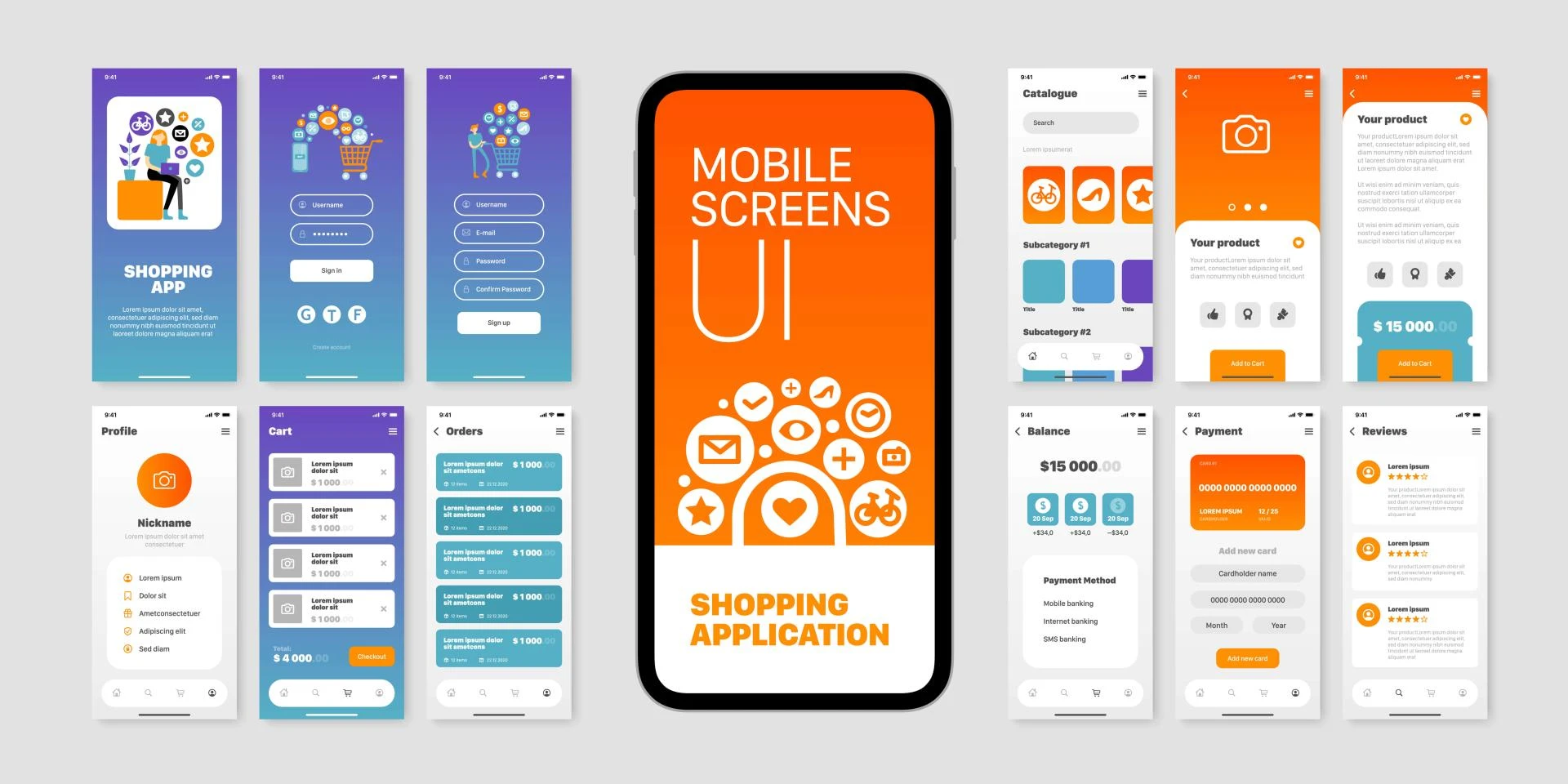
4. Optimize for Mobile
With more than half of web traffic coming from mobile devices, mobile optimization is non-negotiable. Ensure your landing page is responsive and provides a seamless experience across all devices. This includes:
- Fast loading times
- Easy-to-tap buttons and forms
- Readable text without zooming
- Properly sized images
A mobile-friendly landing page not only improves user experience but also boosts your search engine rankings.
5. Streamline Your Forms
Forms are often the final hurdle between a visitor and conversion. Make them as frictionless as possible:
- Only ask for essential information
- Use inline form validation to catch errors in real-time
- Consider multi-step forms for complex sign-ups
- Make the submit button stand out and use action-oriented text
The easier you make it for visitors to convert, the more likely they are to do so.
6. Implement Trust Signals
Building trust is crucial for conversions. Incorporate these trust signals:
- Security badges and certifications
- Customer testimonials and reviews
- Logos of well-known clients or partners
- Money-back guarantees or free trial offers
- Clear privacy policy and terms of service
These elements reassure visitors that your business is legitimate and trustworthy.
7. Create a Sense of Urgency
Urgency can be a powerful motivator. Use these tactics to create a sense of urgency:
- Limited-time offers
- Countdown timers
- Low stock warnings
- Exclusive deals for early birds
Be careful not to overdo it – false urgency can damage trust. Ensure your urgency tactics are genuine and aligned with your brand values.
8. Use Video Wisely
Video can be a powerful tool on landing pages, but it needs to be used strategically:
- Keep videos short (ideally under 2 minutes)
- Ensure they're relevant to your offer
- Don't set videos to autoplay with sound
- Include captions for accessibility
- Ensure the video doesn't slow down page load times
A well-produced video can explain complex concepts quickly and add a personal touch to your landing page.
9. A/B Test Regularly
The key to continually improving your landing page performance is regular A/B testing. Test elements such as:
- Headlines and copy
- Call-to-action buttons (color, text, placement)
- Images and videos
- Form fields
- Page layout
Remember to test one element at a time to clearly identify what drives improvements in your conversion rate.
10. Optimize Page Speed
A slow-loading page can kill conversions before they even have a chance. Improve your page speed by:
- Optimizing image sizes
- Minifying CSS, JavaScript, and HTML
- Leveraging browser caching
- Using a content delivery network (CDN)
Aim for a load time of under 3 seconds to keep visitors engaged and reduce bounce rates.
Conclusion
Crafting a high-converting landing page is both an art and a science. It requires a deep understanding of your audience, a clear value proposition, and meticulous attention to detail in design, copy, and functionality. By implementing these strategies and continuously testing and refining your approach, you can create landing pages that not only make a great first impression but also drive meaningful conversions for your business.
Remember, the most successful landing pages are those that evolve. Stay attuned to your analytics, listen to your customers, and be willing to adapt. With persistence and creativity, you can master the art of first impressions and turn your landing pages into powerful conversion machines.
My Fiver link for : Figma Landing Page Design Service






















Sign in to leave a comment.