
For people who experience migraines, driving can sometimes become an uncomfortable and stressful experience. Bright sunlight, glare from headlights, flashing lights, and long periods of visual concentration may trigger headaches or worsen existing migraine symptoms. Many individuals who deal with light sensitivity are now turning to migraine glasses for light sensitivity as a supportive solution for improving visual comfort while driving.
These specialized glasses are designed to reduce exposure to certain light wavelengths that may contribute to eye strain and migraine discomfort. Whether driving during the day, at night, or in changing weather conditions, migraine glasses can help create a more comfortable visual experience and support safer, less stressful travel.
Understanding Light Sensitivity and Migraines
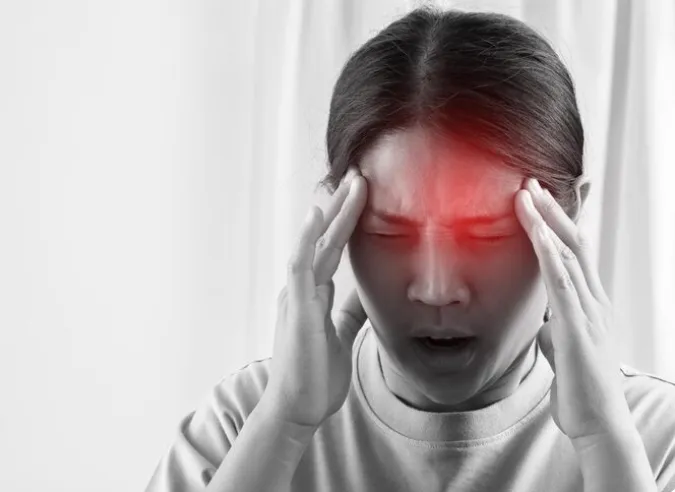
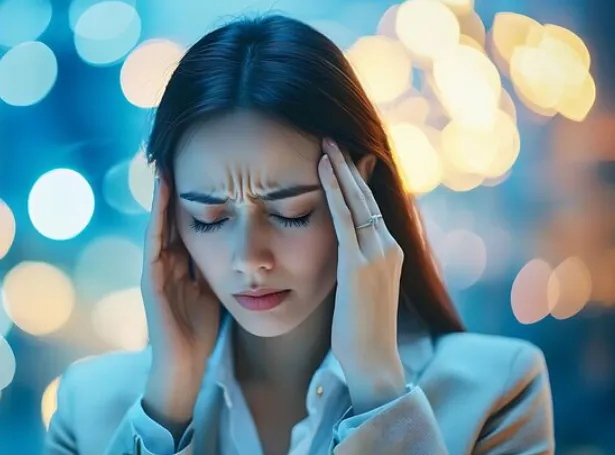
Light sensitivity, also known as photophobia, is one of the most common symptoms associated with migraines. People with migraines may become highly sensitive to sunlight, fluorescent lighting, LED screens, or vehicle headlights. Even normal lighting conditions can sometimes feel overwhelming during or before a migraine attack.
When driving, exposure to bright or rapidly changing light conditions may increase discomfort and make it difficult to focus on the road. This is why many migraine sufferers look for practical tools that help reduce visual stress during everyday activities.
What Are Migraine Glasses?
Migraine glasses for light sensitivity are specially designed eyewear created to filter specific types of light that may trigger headaches or visual discomfort. Unlike regular sunglasses, migraine glasses are often made with precision-tinted lenses that target blue light and other harsh wavelengths associated with eye strain and migraines.
Some migraine glasses are intended for indoor use, while others are specifically designed for outdoor activities like driving. Many users report that these glasses help reduce glare, improve visual clarity, and create a calmer viewing experience.
How Migraine Glasses Improve Driving Comfort
Driving requires constant visual attention, especially in busy traffic or bright environments. For individuals sensitive to light, this can quickly become exhausting. Migraine glasses may help improve comfort in several ways.
Reducing Glare From Sunlight
Sun glare is one of the biggest challenges for migraine sufferers while driving. Reflections from roads, vehicles, and windows can strain the eyes and trigger headaches.
Migraine glasses for light sensitivity often include tinted lenses that help soften bright light and reduce glare exposure. This can make daytime driving feel less overwhelming and more manageable.
Minimizing Headlight Sensitivity
Night driving can also be difficult due to bright LED headlights and streetlights. Sudden exposure to intense lights may contribute to eye fatigue and visual discomfort.
Specialized migraine lenses may help reduce the harshness of bright nighttime lights, improving visual comfort during evening commutes or long-distance travel.
Supporting Better Focus on the Road
Visual stress can make it harder to concentrate while driving. Constant squinting, eye strain, or discomfort may increase fatigue and distract drivers from road conditions.
By reducing visual overload, migraine glasses for light sensitivity may help drivers stay more focused and relaxed behind the wheel. Many people find that minimizing sensory stress improves their overall driving experience.
Helping Reduce Eye Fatigue During Long Drives
Extended driving sessions can place significant strain on the eyes, especially when combined with sunlight, digital dashboards, and traffic stress.
Migraine glasses may help reduce:
- Eye strain
- Squinting
- Visual fatigue
- Sensory overload
This can be especially helpful for commuters, rideshare drivers, business travelers, or individuals who spend long hours on the road.
Features to Look for in Migraine Glasses
Not all migraine glasses are the same. Choosing the right pair depends on personal comfort, light sensitivity levels, and driving conditions.
FL-41 Tinted Lenses
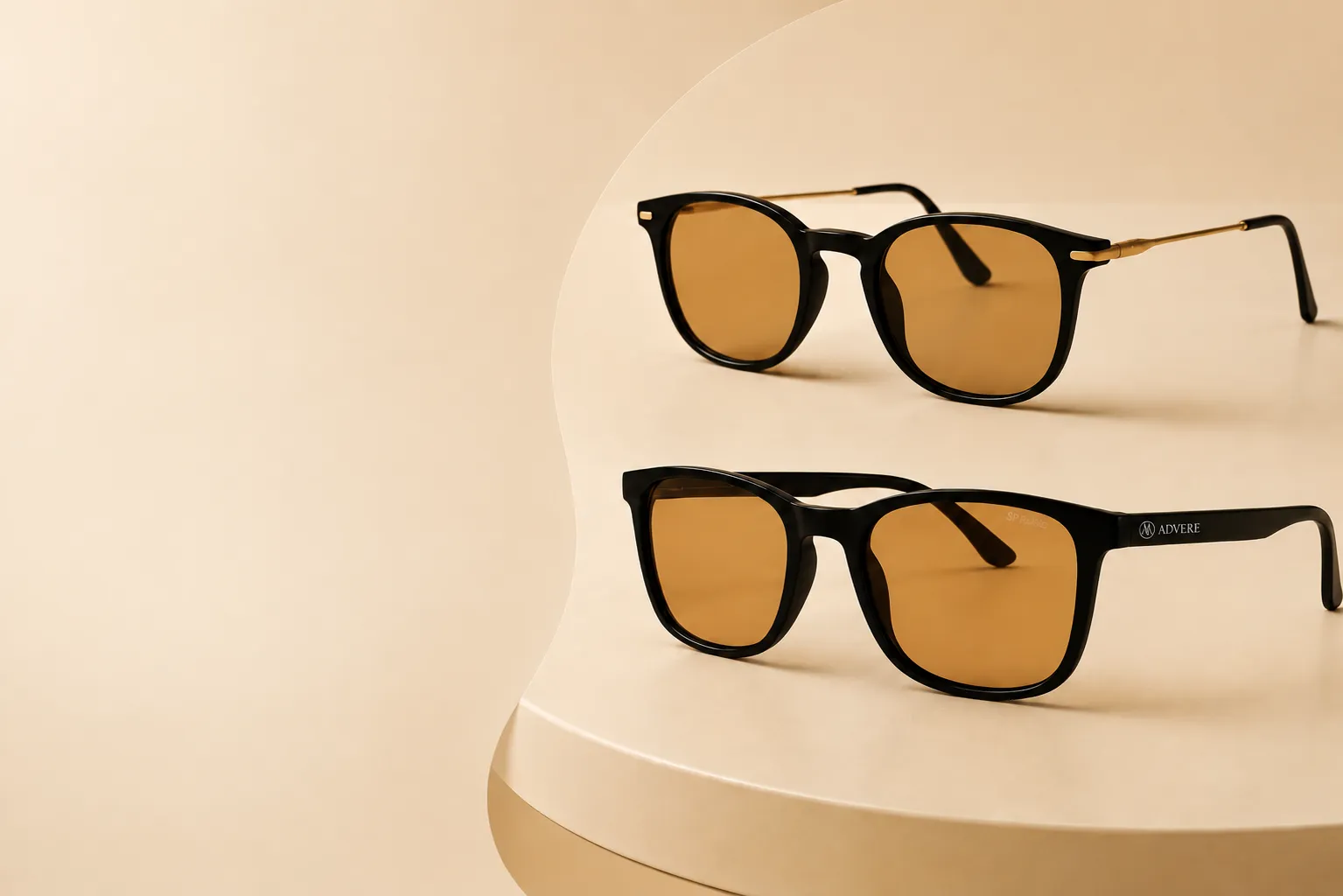
FL-41 lenses are one of the most popular options for migraine-related light sensitivity. These rose-colored or amber-tinted lenses are designed to filter certain blue-green light wavelengths that may trigger migraines.
Many people choose FL-41 lenses because they can be worn both indoors and outdoors without excessively darkening vision.
Polarized Lenses
Polarized lenses help reduce reflected glare from roads, water, and vehicle surfaces. These lenses can improve visibility during bright daytime driving and create a more comfortable visual environment.
Blue Light Filtering Technology
Some migraine glasses include blue light filtering features to reduce digital eye strain from screens and vehicle dashboard displays. This may be useful for individuals who alternate between driving and screen-based work throughout the day.
Lightweight and Comfortable Frames
Comfort matters during long wear. Lightweight frames with adjustable fits can improve the overall driving experience and encourage consistent use.
Benefits Beyond Driving
While many people use migraine glasses for light sensitivity during travel, they may also support comfort in other daily situations.
Additional uses include:
- Working on computers
- Shopping in bright stores
- Watching television
- Traveling by airplane
- Attending events with bright lighting
- Managing screen-related headaches
Many users appreciate the flexibility of having glasses that support comfort across multiple environments.
Tips for Managing Light Sensitivity While Driving
Migraine glasses work best when combined with healthy visual and lifestyle habits. Individuals with migraine-related light sensitivity can also improve comfort by making small adjustments to their daily routines.
Helpful tips include:
- Keeping windshields clean to reduce glare
- Wearing hats or visors during bright conditions
- Taking breaks during long drives
- Staying hydrated
- Avoiding excessive screen exposure before driving
- Maintaining consistent sleep schedules
These habits may help reduce migraine triggers and improve overall driving comfort.
When to Consider Professional Support
Although migraine glasses for light sensitivity can provide support, recurring migraines or severe light sensitivity should be discussed with a healthcare professional. Persistent symptoms may require medical evaluation or personalized treatment options.
Seek professional advice if you experience:
- Frequent migraine attacks
- Vision disturbances
- Severe sensitivity to normal light
- Difficulty driving safely
- Persistent headaches or dizziness
An eye care specialist or healthcare provider can help determine the most appropriate solutions for your specific needs.
Conclusion
Driving with migraines and light sensitivity can be challenging, but the right tools can make a meaningful difference in daily comfort. Migraine glasses for light sensitivity are becoming a popular option for people looking to reduce glare, minimize eye strain, and improve focus while on the road.
From daytime sunlight to nighttime headlights, specialized migraine lenses may help create a calmer and more comfortable driving experience. When combined with healthy habits and proper migraine management strategies, these glasses can support safer, more relaxed travel and improve overall quality of life for individuals dealing with light sensitivity.






















Sign in to leave a comment.