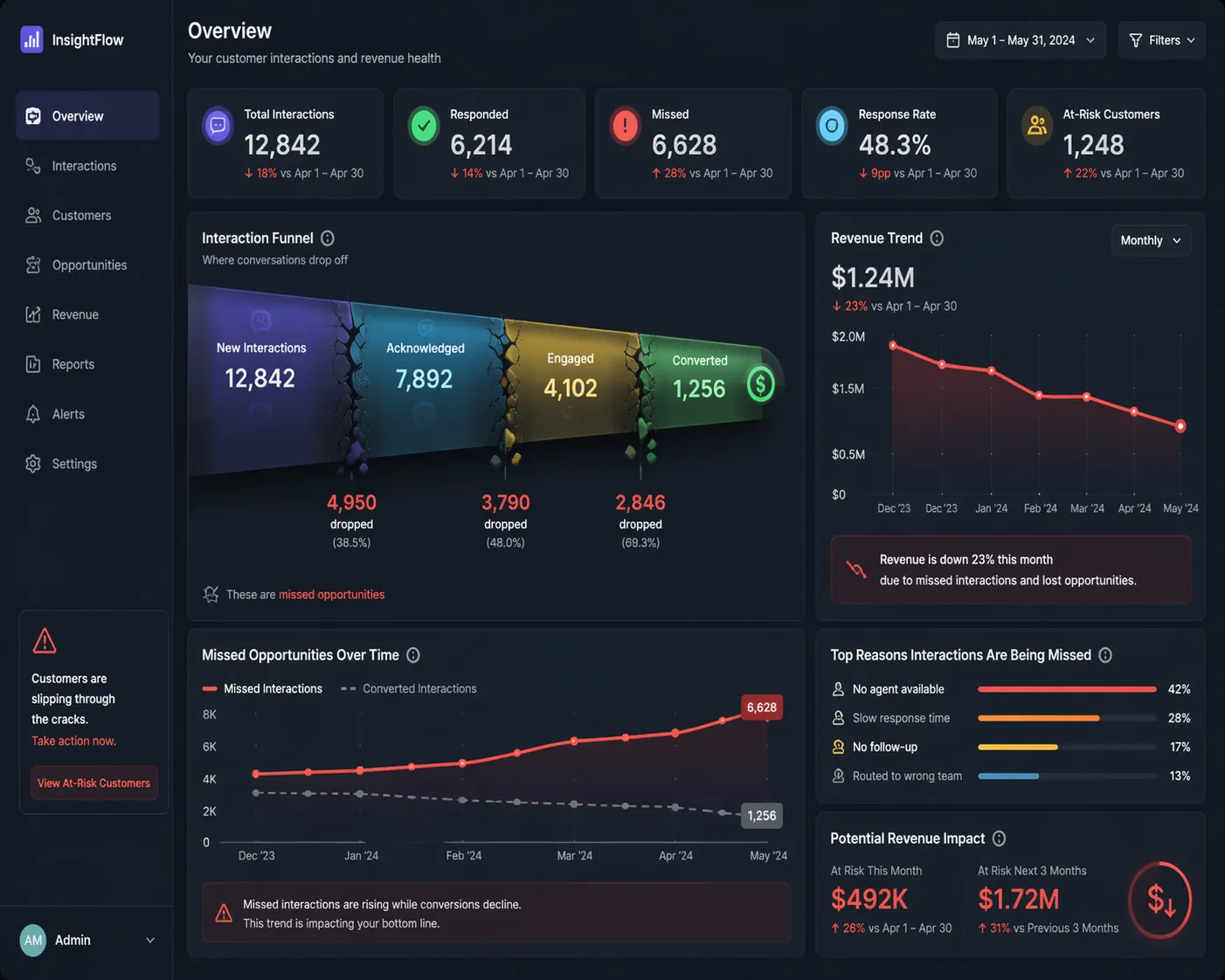

In today’s always-on digital economy, customers rarely wait. They express interest, ask questions, hesitate briefly, and then move on. What many businesses fail to realize is that these small, fleeting moments of hesitation or inquiry often carry strong buying signals. When those signals are ignored or misunderstood, missed intent quietly turns into lost revenue.
The challenge is not just about generating demand anymore. It’s about recognizing intent in real time and acting on it before it disappears. Businesses that fail to do this are not just losing leads, they’re losing opportunities that were already halfway to conversion.
What Is Missed Intent and Why It Matters
At its core, missed intent refers to situations where a customer shows interest or readiness to act, but the business fails to respond effectively or promptly.
This can happen across multiple touchpoints:
- A customer abandons a cart after asking a question
- A lead fills out a form but never receives a follow-up
- A caller hangs up due to long wait times
- A chatbot fails to understand a nuanced query
These aren’t cold leads. These are warm opportunities slipping away.
Why It’s a Bigger Problem Than It Seems
- Intent signals are often time-sensitive
- Customers have multiple alternatives available instantly
- Delayed or irrelevant responses break trust
The result? A silent but consistent leakage in revenue streams.
The Hidden Cost of Missed Intent
Most businesses measure success through conversions, but very few measure what they lose. That’s where missed intent becomes dangerous; it’s invisible unless you actively look for it.
Revenue Leakage Points
- Unanswered queries: Customers leave when they don’t get clarity
- Delayed responses: Even a few minutes can cost a sale
- Poor routing: Customers get transferred endlessly
- Generic interactions: Lack of personalization reduces engagement
The Compounding Effect
Each instance of missed intent may seem small, but collectively:
- Conversion rates drop
- Customer acquisition costs rise
- Brand perception weakens
Over time, this creates a gap between potential revenue and actual revenue.
Where Businesses Commonly Miss Intent
Understanding where intent is lost is the first step to fixing it.
1. Communication Gaps
Customers reach out through multiple channels, including calls, chat, email, and social media. If these channels aren’t unified:
- Conversations become fragmented
- Context is lost
- Responses become inconsistent
2. Limited Availability
Businesses that rely only on human agents often face:
- Limited working hours
- Long wait times
- Missed calls
This directly increases missed intent, especially outside business hours.
3. Inability to Understand Context
Not all customer queries are straightforward. When systems fail to interpret:
- Tone
- Urgency
- Buying signals
…they fail to respond meaningfully.
The Psychology Behind Customer Intent
Customer intent isn’t always explicit. It often shows up subtly.
Signals of High Intent
- Asking specific product-related questions
- Comparing options
- Requesting pricing or availability
- Repeated visits or interactions
Ignoring these signals leads directly to missed intent.
Why Timing Is Everything
Customers operate in “decision windows,” short periods when they are most likely to act.
If a business fails to engage during this window:
- The customer moves to a competitor
- Interest fades quickly
- Trust diminishes
This is how intent turns into lost revenue.
How Technology Helps Capture Intent
Modern businesses are shifting from reactive to proactive systems. Instead of waiting for customers to follow through, they actively detect and respond to intent signals.
Real-Time Engagement
Advanced systems can:
- Respond instantly to queries
- Route conversations intelligently
- Personalize interactions
Automation with Intelligence
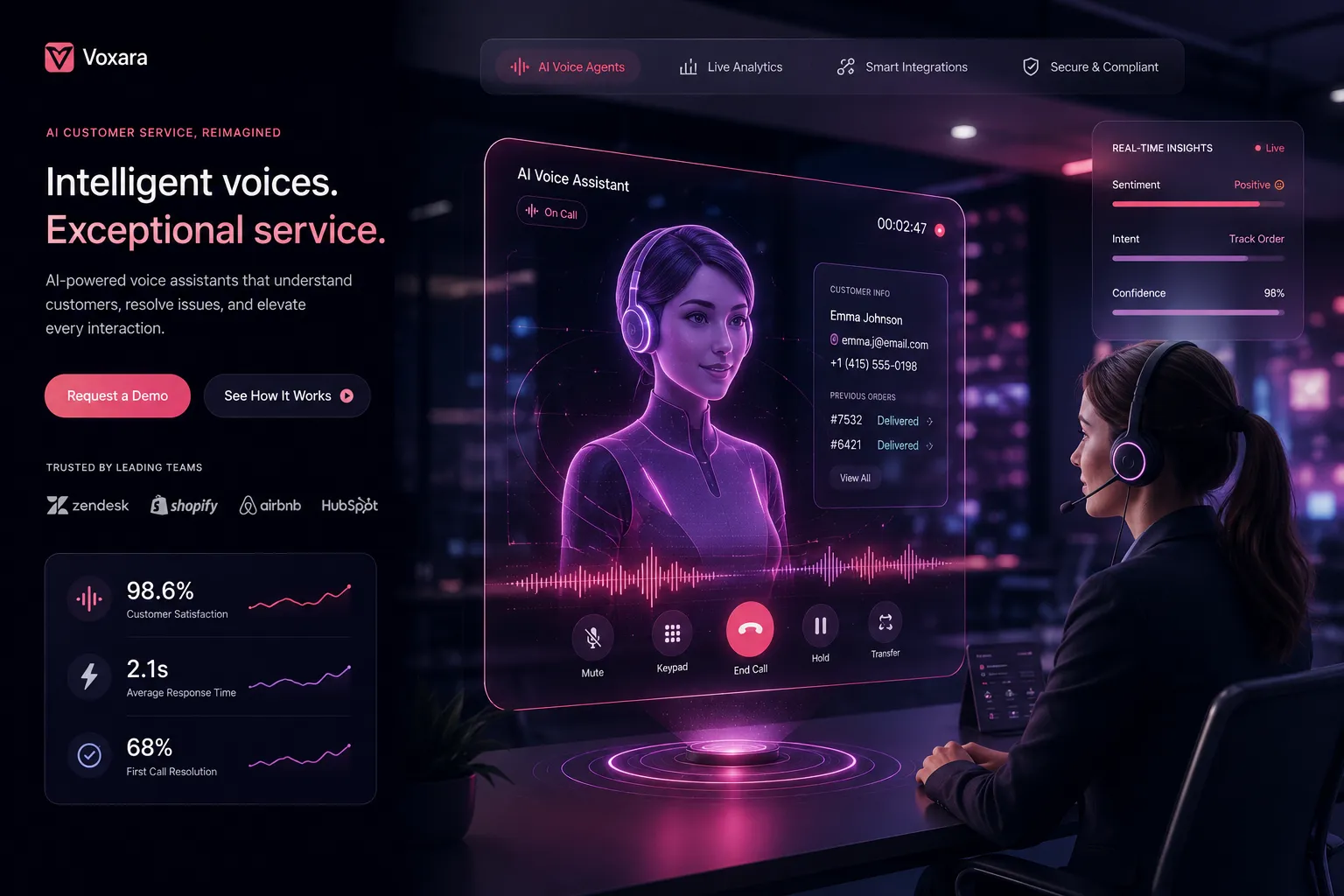
Solutions like a Voice AI Platform enable businesses to:
- Handle calls 24/7
- Understand natural language
- Detect urgency and sentiment
- Provide consistent, accurate responses
This dramatically reduces missed intent by ensuring no interaction goes unanswered.
Turning Missed Intent into Revenue Opportunities
Fixing missed intent isn’t about adding more tools; it’s about creating smarter systems.
1. Build Always-On Communication
- Ensure availability beyond working hours
- Use AI-driven systems to handle peak loads
- Eliminate wait times
2. Unify Customer Touchpoints
- Integrate all communication channels
- Maintain context across interactions
- Provide seamless experiences
3. Prioritize Speed and Relevance
- Respond instantly
- Deliver accurate, contextual answers
- Reduce friction in decision-making
4. Use Data to Identify Patterns
- Track drop-off points
- Analyze interaction gaps
- Continuously optimize workflows

Measuring and Reducing Missed Intent
You can’t fix what you don’t measure. Businesses need to actively track missed intent.
Key Metrics to Monitor
- Response time
- Call abandonment rate
- Conversion rate after interaction
- Customer drop-off points
Practical Steps
- Audit customer journeys regularly
- Identify friction points
- Implement automated follow-ups
- Continuously refine interaction flows
Reducing missed intent is an ongoing process, not a one-time fix.
The Competitive Advantage of Capturing Intent
Businesses that successfully eliminate missed intent gain a significant edge:
- Higher conversion rates
- Better customer satisfaction
- Lower acquisition costs
- Stronger brand loyalty
In a market where attention spans are shrinking, responsiveness becomes a differentiator.
Conclusion
Missed intent is not just an operational issue; it’s a revenue problem hiding in plain sight. Every unanswered query, delayed response, or misunderstood interaction represents a lost opportunity that may never return. As customer expectations continue to rise, businesses can no longer afford to rely on slow or fragmented systems.
The path forward lies in building responsive, intelligent, and always-available engagement systems that recognize intent the moment it appears. When businesses shift their focus from simply managing interactions to truly understanding them, they stop losing opportunities and start capturing value at every touchpoint.
FAQs
1. What does missed intent mean in business?
Missed intent refers to situations where a customer shows interest or readiness to act, but the business fails to respond effectively or on time.
2. How does missed intent lead to lost revenue?
When businesses fail to act on customer signals quickly, potential buyers move to competitors, resulting in lost sales opportunities.
3. What are common signs of customer intent?
Signs include asking product questions, comparing options, requesting pricing, and repeated engagement with a brand.
4. How can businesses reduce missed intent?
By improving response times, using AI-driven systems, unifying communication channels, and analyzing customer behavior data.
5. Why is real-time response important for capturing intent?
Customer intent is time-sensitive. Immediate responses increase the chances of conversion, while delays often lead to drop-offs.


























Sign in to leave a comment.