

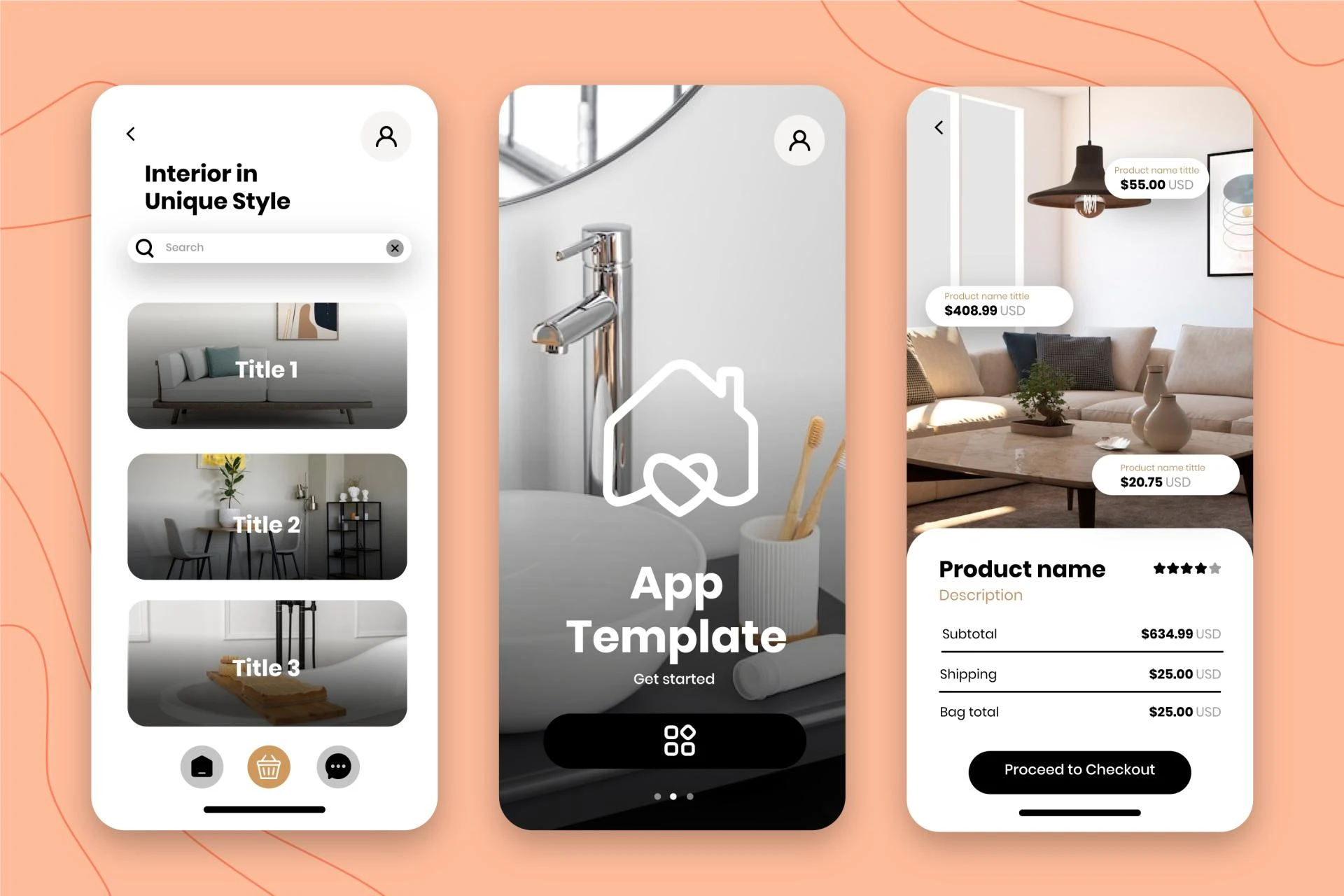
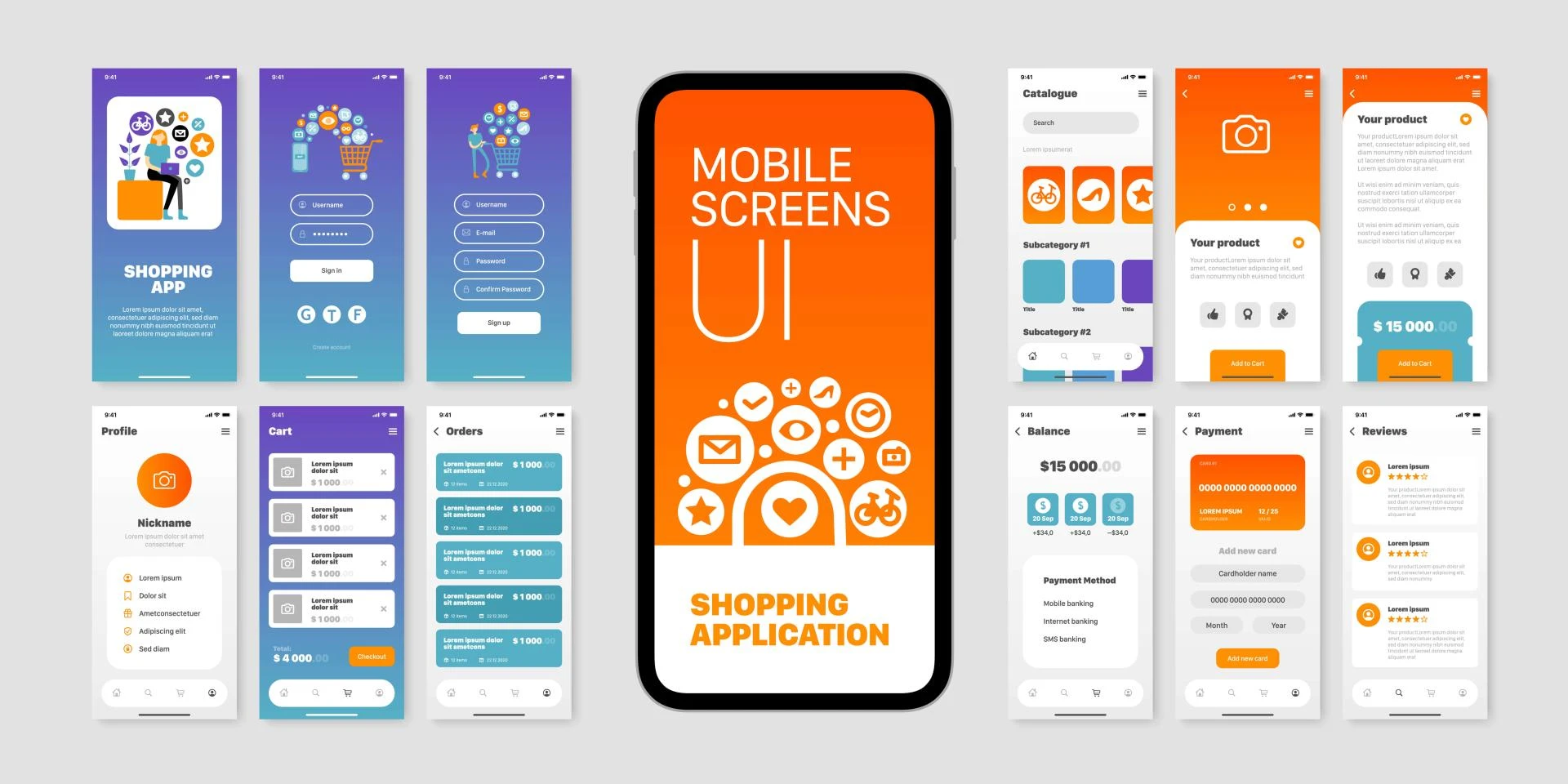
In a world where smartphones have become an extension of our daily lives, the importance of mobile-friendly design cannot be overstated. With a significant shift towards mobile usage, businesses and developers alike are recognizing the need to prioritize mobile-first strategies to enhance the overall user experience (UI/UX). In this blog post, we will delve into the principles of mobile-first design and explore how prioritizing mobile devices can lead to a more user-centric approach.
The Rise of Mobile Usage
The rise of mobile usage is undeniable. With the majority of internet traffic coming from mobile devices, it's imperative for businesses to adapt their digital presence accordingly. Mobile-first design involves creating user interfaces and experiences with mobile devices in mind from the outset, rather than adapting desktop designs for smaller screens. By doing so, businesses can cater to the growing population of users who primarily access the internet through their smartphones.
User-Centric Approach
The essence of mobile-first design lies in its user-centric approach. Designing for mobile forces developers to prioritize essential content and features, ensuring a streamlined and efficient user experience. This approach compels designers to think critically about the core functionality of a website or application and present it in a way that is intuitive and accessible on smaller screens.
Responsive Design Matters
A crucial aspect of mobile-first design is responsive design. This ensures that a website or application adapts seamlessly to various screen sizes, providing a consistent and enjoyable experience across different devices. With responsive design, users can transition effortlessly from their desktop to their mobile device without sacrificing functionality or aesthetics.
Performance Optimization
Mobile-first design also encourages performance optimization. Mobile users often have different expectations when it comes to load times and responsiveness. Prioritizing mobile optimization means streamlining code, optimizing images, and minimizing unnecessary elements to ensure swift loading times. This not only enhances the user experience but also positively impacts search engine rankings, as search engines increasingly favor mobile-friendly websites.
Thumb-Friendly Navigation
Considering the limited screen real estate on mobile devices, navigation must be intuitive and thumb-friendly. Mobile-first design often involves placing essential navigation elements within easy reach of the user's thumb, ensuring a comfortable and ergonomic experience. This approach acknowledges the natural way users interact with their smartphones, promoting a seamless and enjoyable navigation process.
Testing and Iteration
Mobile-first design emphasizes the importance of testing and iteration. Regular testing on various devices and screen sizes allows developers to identify and address potential issues promptly. Continuous iteration based on user feedback ensures that the design remains user-focused and adaptable to changing needs and preferences.
Conclusion
In conclusion, embracing a mobile-first approach in UI/UX design is no longer an option but a necessity in the digital landscape. Prioritizing mobile devices ensures that businesses cater to the growing population of users who rely on their smartphones for online interactions. By adopting responsive design, optimizing performance, and focusing on user-centric principles, developers can create a seamless and enjoyable experience for mobile users, ultimately enhancing the success and sustainability of their digital ventures.
Visit my Upwork profile for - UI/UX design, Mobile Design & Product Designer
Project Catalog for - Mobile App UI UX Design, iOS or Android Mobile APP UX/UI Design & Modern Crypto Designn




























Sign in to leave a comment.