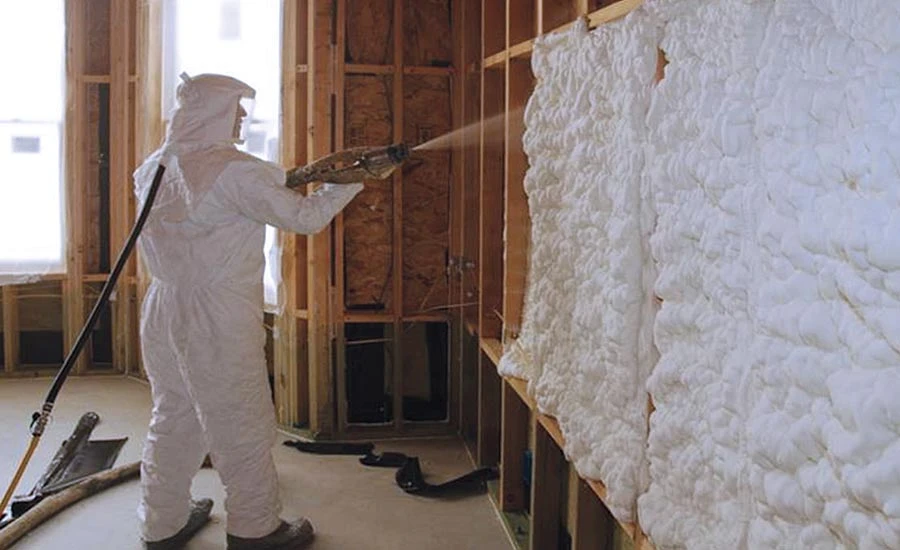

Spray foam insulation makes modern life more comfortable by providing a superior air seal and thermal barrier in a single application. This material fills every crack and crevice to prevent conditioned air from escaping and outdoor pollutants from entering the building. Property owners who choose this solution often see a significant decrease in utility costs and a noticeable improvement in indoor air quality.
This article provides a detailed look at how high performance spray foam insulation changes the way buildings function and how it benefits those who live or work inside them. Readers will learn about the technical advantages, cost considerations, and practical steps for selecting the right insulation system. Every section focuses on delivering clear facts to help people make informed decisions about their property upgrades.
Years of hands-on experience in the building industry demonstrate that quality materials are the foundation of a healthy home. Experts who specialize in energy efficiency emphasize that fixing insulation the right way prevents recurring issues like high bills or mold growth. Following industry best practices ensures that the results last for the entire life of the structure.
Meeting Energy Efficiency Needs in the Modern World
Energy efficiency is no longer just a luxury but a standard requirement for maintaining a sustainable and affordable lifestyle. Modern buildings face extreme weather patterns that put a heavy strain on heating and cooling systems, making the choice of insulation more important than ever. Spray foam provides a solution that traditional materials like fiberglass or cellulose simply cannot match because of its unique ability to expand.
Market data shows that buildings account for approximately 40% of total energy consumption in the United States, with a large portion of that energy wasted through poor insulation. Upgrading to a more effective material helps reduce this waste and lessens the demand on the local power grid. It creates a stable interior environment regardless of the temperature fluctuations occurring outside the walls.
By creating a tight envelope around the living space, this insulation reduces the frequency and duration of HVAC cycles. This means the mechanical equipment does not have to work as hard to maintain a set temperature, which extends its operational lifespan. Property owners save money not only on their monthly bills but also on long term maintenance and replacement costs.

The Mechanics of Air Sealing and Thermal Resistance
The primary reason spray foam excels is its dual function as both a thermal insulator and a comprehensive air barrier. Unlike batts or rolls that leave gaps around wires and pipes, the foam expands to fill the exact shape of the cavity. This prevents the "stack effect" where warm air rises and escapes through the roof while pulling cold air in through the bottom of the house.
How Air Leakage Impacts Monthly Expenses
Air leakage can account for up to 40% of the energy used to heat and cool a typical home or commercial building. When air moves freely through walls and attics, the HVAC system must constantly run to compensate for the loss of conditioned air. Sealing these leaks with expanding foam ensures that the air people pay to heat or cool stays inside the building.
Bonus Tip for Identifying Drafts
A simple way to find air leaks is to use a smoke pencil or a lit incense stick near windows and outlets on a windy day. If the smoke moves horizontally or swirls rapidly, it indicates a gap in the building envelope that needs attention. Professionals use blower door tests to get a more scientific measurement of these leaks before starting an installation.
Checking Around Electrical Outlets
Electrical boxes on exterior walls are notorious for letting in outside air because they break the continuity of the insulation. Filling the space behind and around these boxes with foam stops the drafty feeling often felt near wall switches. This small step makes a big difference in the overall comfort of a room during the winter.
Creating a Healthier Indoor Environment
The quality of the air inside a building has a direct impact on the health and productivity of the people who occupy it. Spray foam acts as a physical shield against outdoor contaminants like dust, pollen, and smog that often drift through loose insulation. This creates a much cleaner environment that is easier to maintain and healthier for individuals with allergies or respiratory issues.
Because the material does not provide a food source for pests, it also helps keep insects and rodents away from the living areas. Pests often use traditional fiberglass as nesting material, but the dense structure of cured foam is unappealing to them. This added layer of protection keeps the home cleaner and reduces the need for chemical pest control treatments.
Moisture Management and Mold Prevention
Moisture is one of the most destructive forces in any building, leading to wood rot and hazardous mold growth if left unchecked. Spray foam helps manage moisture by preventing humid air from reaching cold surfaces where it would otherwise condense into liquid water. This is especially useful in crawl spaces and basements where humidity levels are typically higher.
Preventing Condensation in Wall Cavities
When warm, moist air from inside a house hits a cold exterior wall, water droplets form inside the structure where they cannot be seen. This hidden moisture eventually causes structural damage and degrades the performance of traditional insulation materials. Spray foam remains unaffected by moisture and keeps the wall cavity dry by blocking the air movement that carries the humidity.
Bonus Tip for Humid Climates
In regions with high humidity, using closed cell foam provides an extra layer of protection because it acts as a vapor retarder. This prevents moisture from migrating through the walls and into the home, which keeps the indoor air feeling crisp and dry. It also helps the air conditioning system remove humidity more efficiently since it has less work to do.

Comparing Modern Insulation Solutions
Property owners have several choices when it's time to upgrade their insulation, and understanding the differences is key to a good investment. While older materials have been used for decades, they often fall short in modern high performance building standards. The following data highlights the technical differences that affect long term performance and value.
| Feature | Spray Foam Insulation | Fiberglass Batts | Blown-in Cellulose |
|---|---|---|---|
| Air Sealing Capability | High (Self-sealing) | None | Low |
| Resistance to Settling | Does not settle | Sags over time | Settles significantly |
| Average R-Value per Inch | 3.5 to 7.0 | 2.2 to 3.8 | 3.2 to 3.8 |
| Life Expectancy | 50+ Years | 15 to 25 Years | 20 to 30 Years |
| Water Resistance | High | Low (Holds water) | Low (Absorbs water) |
Analyzing Long Term Material Stability
Stability is a major factor because insulation that loses its shape also loses its ability to stop heat flow. Fiberglass batts can pull away from the studs, leaving gaps that allow air to bypass the material entirely. Spray foam bonds directly to the surface, ensuring that the thermal protection remains exactly where it was installed for decades.
Impact on Resale Value
Homes with high performance upgrades often command a higher price on the real estate market because buyers value lower operating costs. Providing documentation of energy efficient upgrades like spray foam can make a property stand out during a sale. It gives potential buyers peace of mind knowing the home is durable and cheap to maintain.
Practical Considerations for Property Owners
Before starting an insulation project, there are several factors that need to be evaluated to ensure the best results. The type of structure, the existing insulation, and the specific goals of the owner all play a role in the decision making process. Consulting with a knowledgeable professional helps clarify which product fits the specific needs of the building.
It is also important to consider the timing of the installation, especially during renovations. Spray foam is best installed when the wall cavities are open, but it can also be added to attics and crawl spaces at almost any time. Planning the project carefully ensures that the work is done efficiently and without unnecessary disruption to the daily routine.
Choosing Between Open and Closed Cell Foam
The two main types of spray foam serve different purposes based on their density and structure. Open cell foam is more affordable and excellent for soundproofing between floors or in media rooms. Closed cell foam is much denser, provides a higher R-value per inch, and is strong enough to add structural integrity to the walls.
Installation Timing and Safety
The application process involves a chemical reaction that requires the occupants to leave the building for a short period. Professional installers use high tech ventilation equipment to ensure the air is clear before anyone returns to the space. Following these safety protocols is a standard part of a high quality installation experience.
Regional Guidance for Different Climates
Climate plays a huge role in how a building should be insulated to achieve the best performance. In southern regions, the primary goal is often blocking the intense heat of the sun from penetrating the attic. In northern areas, the focus shifts to retaining as much heat as possible during the freezing winter months.
Managing Heat in Southern States
In places where the sun shines intensely, attics can reach temperatures well over 130 degrees Fahrenheit. Spray foam applied to the roof deck keeps the attic much cooler, which protects any stored items and helps the HVAC system run more efficiently. This method effectively brings the attic into the "conditioned" part of the home.
Winter Protection in Cold Climates
For those in colder areas, the air sealing properties of foam prevent warm air from leaking into the attic and melting snow on the roof. This melting and refreezing is what causes ice dams, which can lead to major roof leaks and gutter damage. Proper insulation keeps the roof temperature consistent and prevents these costly winter problems.
Questions People Ask About Modern Insulation
Does spray foam have a strong odor?
Modern spray foam is designed to be low VOC and has very little odor once the initial curing process is complete. Professional teams use powerful fans to ventilate the area during and after the application to ensure the air is fresh. Most people can return to their homes within 24 hours without noticing any lingering smells.
Can spray foam be installed in an existing home?
Yes, it is very common to retrofit older homes with spray foam to improve their comfort and efficiency. It is most often applied in attics, crawl spaces, and rim joists where it can be sprayed directly onto the surfaces. For walls, it is typically done during a renovation when the drywall has been removed.
Does it provide structural strength?
Closed cell spray foam is incredibly dense and acts like a glue that bonds the building components together. Testing shows that it can significantly increase the racking strength of a wall, helping it resist the forces of high winds. This makes it a popular choice for buildings in areas prone to storms or heavy winds.
How long does the material last?
One of the biggest benefits of this material is that it does not degrade, sag, or settle over time like other products. As long as it is protected from direct sunlight and is not physically disturbed, it should last for the entire life of the building. It is a one-time investment that provides permanent results for the property.
Is it resistant to pests?
Spray foam does not contain any organic material, so it does not serve as a food source for termites, mice, or other pests. Because it fills the small gaps that pests use to enter the building, it creates a physical barrier that keeps them out. This helps maintain a cleaner and safer indoor environment for the long term.
Summary of Insulation Benefits
Upgrading to spray foam insulation is a practical way to modernize any building and improve the quality of life for its occupants. By combining air sealing and thermal resistance into one step, it addresses the most common causes of high energy bills and indoor discomfort. The long term durability and health benefits make it a superior choice for those looking for lasting solutions. Property owners should evaluate their specific climate needs and budget to determine the best insulation strategy for their goals.
Contact a Professional for an Efficiency Assessment
Those looking to improve their property's performance should speak with a specialist to find the right path forward. Stellrr Insulation & Spray Foam provides expert guidance and high quality installation services for residential and commercial buildings. They focus on fixing problems the right way to ensure long term results and customer satisfaction. Interested parties can reach them at (512) 710-2839 or email their team at [email protected] for more information. Taking the step to upgrade insulation is a smart move toward a more comfortable and cost effective future.
Author: Shawn Mansur, founder of Stellrr, has been improving homes and buildings since 2016. He believes in fixing problems the right way, with lasting solutions, not temporary fixes.
Reviewer: Sophia White has 8 years of experience in spray foam insulation. She reviewed this post and gave clear guidance on aligning business messaging with what customers actually care about.


























Sign in to leave a comment.