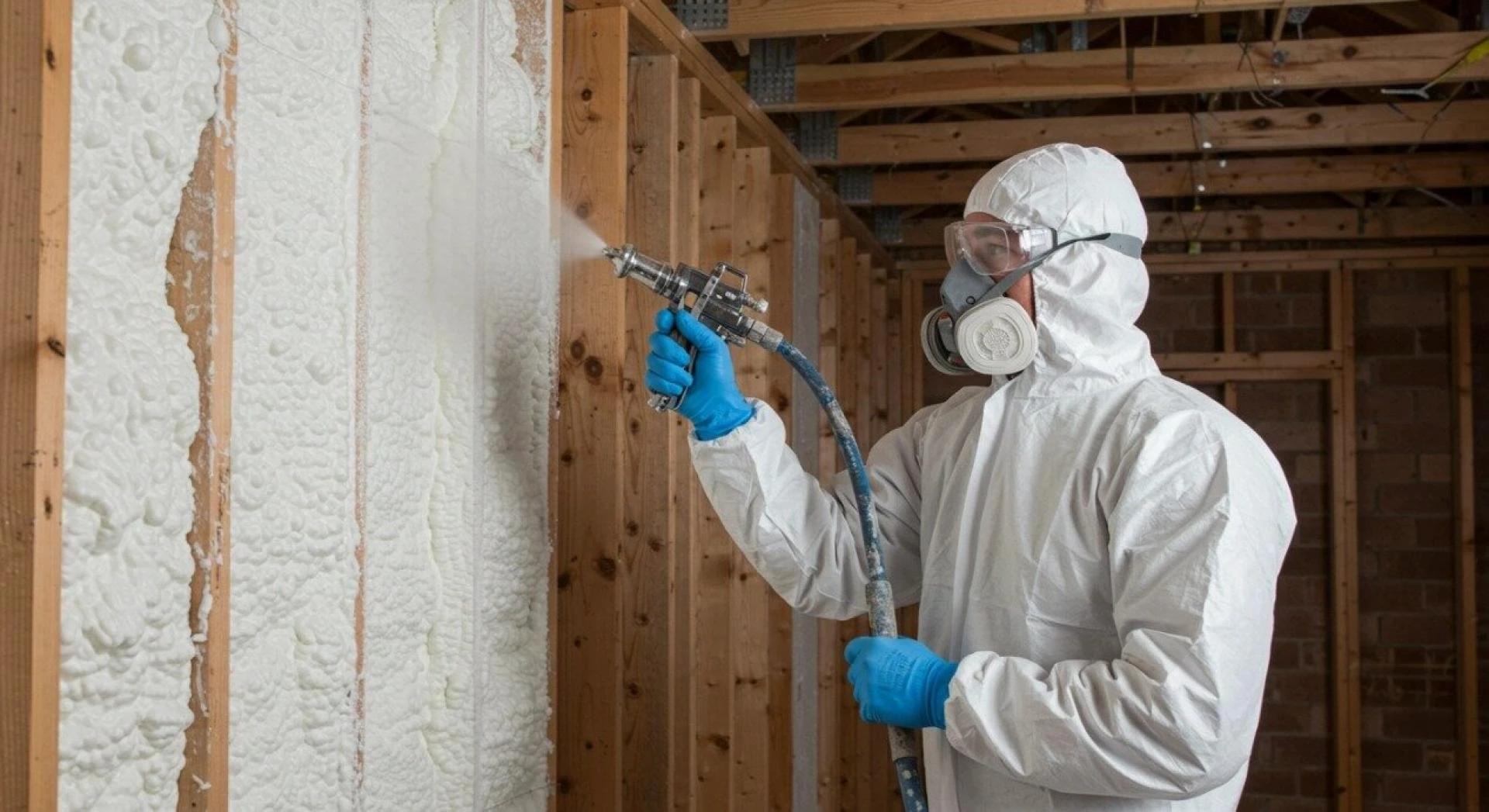
Maintaining a consistent indoor climate in Round Rock, TX, often feels like an endless battle against the elements. The intense South Texas heat pushes air conditioning systems to their limits during the long summer months, while sudden winter cold fronts expose every draft and thermal weakness in a property. For homeowners and business owners alike, the result is often a combination of uncomfortable rooms, fluctuating temperatures, and skyrocketing utility bills. The root cause of these issues is rarely the HVAC unit itself but rather the building's inability to stop heat transfer and air leakage making professional insulation solutions in Round Rock, TX essential for long-term comfort and energy efficiency.
A robust thermal envelope acts as the primary defense against these weather extremes, keeping conditioned air inside and unconditioned air outside. By sealing the gaps where energy escapes and fortifying the barriers that resist heat flow, property owners can achieve lasting stability in their indoor environment. Stellrr Insulation & Spray Foam specializes in diagnosing these structural inefficiencies and implementing advanced isolation strategies. They focus on fixing the problem at its source, ensuring that buildings in Round Rock remain comfortable and energy-efficient regardless of the forecast.
Achieving Thermal Stability with Professional Solutions
True comfort is not just about blowing cold air into a room; it is about keeping that air there. When a building lacks a proper seal, the "stack effect" takes over. This physical phenomenon causes warm air to rise and escape through the attic, creating a vacuum that pulls hot, humid outdoor air in through the lower levels. This constant cycle forces mechanical systems to run continuously, increasing wear and tear while failing to maintain a set temperature.
Addressing this issue requires a comprehensive approach to Residential Insulation that goes beyond simple R-value. While R-value measures resistance to conductive heat flow, it does not account for air movement. To stop the drafty feeling and the humidity infiltration, the insulation material must also serve as an air barrier. This dual-function approach creates a sealed ecosystem that enables the HVAC system to operate efficiently, lowering humidity and stabilizing temperatures throughout the rooms.

The Science of the Building Envelope
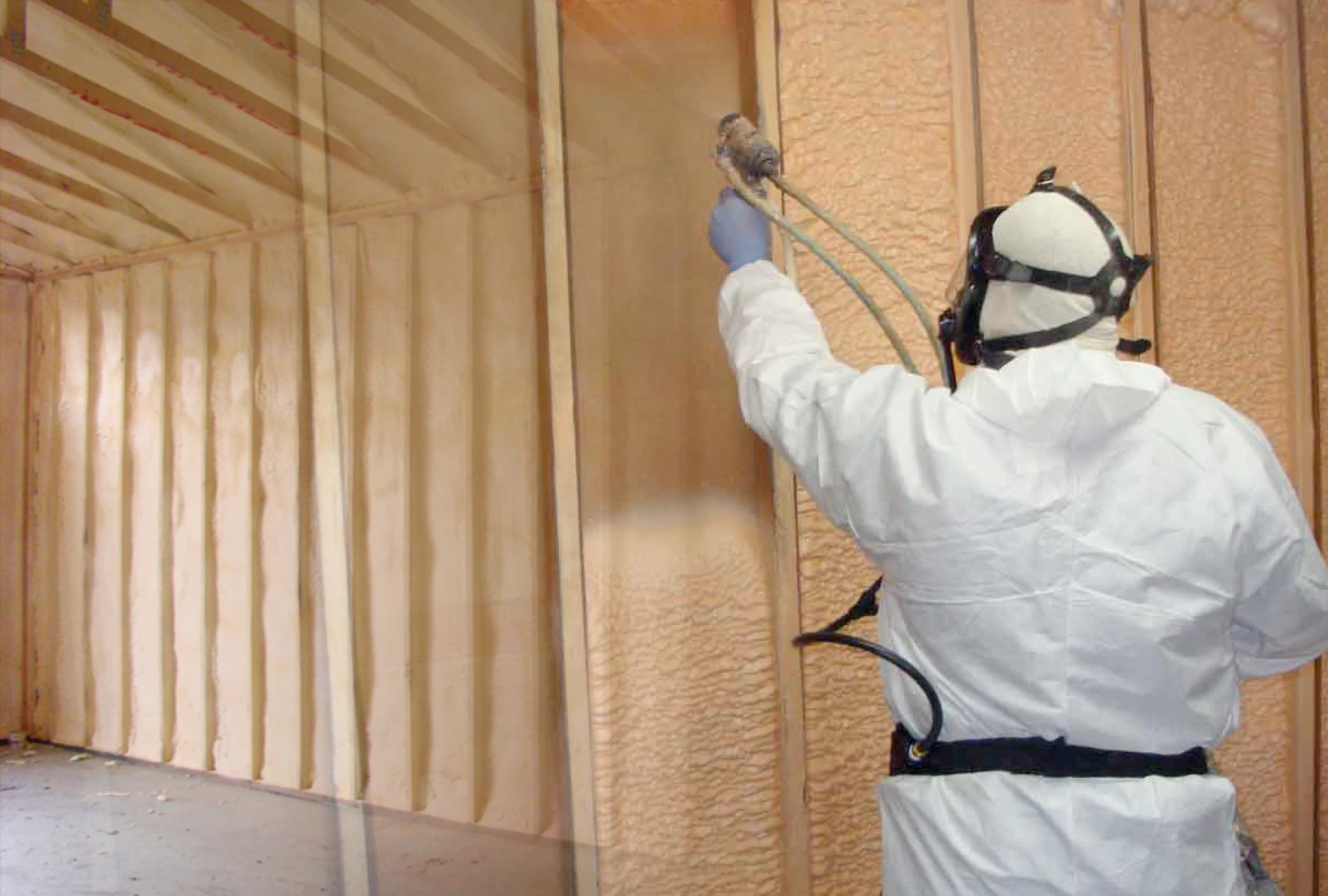
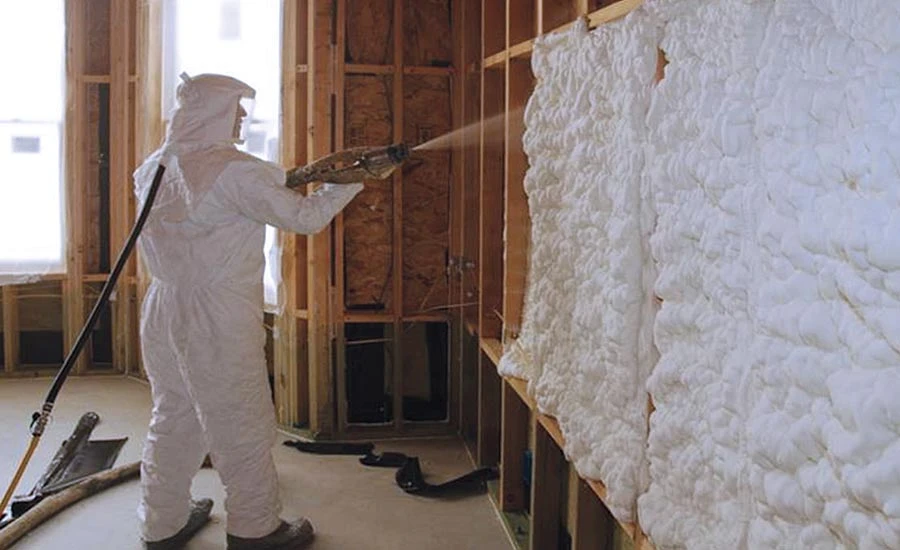
The building envelope consists of the roof, walls, windows, and foundation—essentially the shell that separates the interior from the exterior. In many Round Rock properties, this shell is compromised by hundreds of tiny gaps around wiring, plumbing penetrations, and framing joints. Residential Spray Foam Insulation is particularly effective here because it expands to fill these voids, eliminating the pathways for air leakage.
Stopping Thermal Bridging
Thermal bridging occurs when heat travels through the studs or framing of a building, bypassing the insulation in the cavities. Traditional batts do not cover these studs, allowing heat to radiate into the living space. A continuous insulation strategy, or one that seals tightly against the framing, reduces this transfer, ensuring that the structural components do not become heat radiators during the summer.
Advanced Spray Foam Technologies for Round Rock Properties
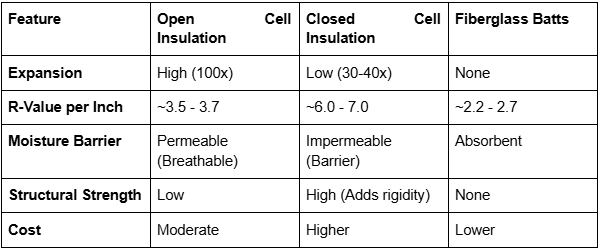
Selecting the right material is critical for long-term performance. Spray foam offers distinct advantages over traditional materials due to its ability to form a custom-fit seal. However, not all foam is the same. Understanding the difference between open-cell and closed-cell options allows property owners to choose the best solution for their specific structure and budget.
Open Cell Foam for Residential Efficiency
Open Cell Insulation is a lightweight, semi-rigid material that expands significantly upon application. It is an excellent choice for residential attics and walls because it fills difficult-to-reach spaces and seals complex framing geometries. While it has a lower R-value per inch than closed-cell foam, its cost-effectiveness and superior sound-dampening qualities make it a popular choice for home interiors.
Acoustic Benefits
Beyond temperature control, open-cell foam significantly reduces noise transmission. For homes near busy roads or commercial areas in Round Rock, this material acts as a sound buffer, absorbing external noise and creating a quieter, more peaceful indoor environment.
Closed Cell Foam for Structural Integrity
Closed-cell insulation is much denser and rigid. It acts as a complete vapor barrier, air barrier, and thermal insulator in one. Its high density adds structural strength to the building, which can be beneficial during high-wind events. Because it is impermeable to water, it is the preferred choice for areas prone to moisture, such as crawlspaces or metal commercial buildings.
Targeting Critical Heat Loss Zones
To maximize energy savings, insulation upgrades must target the areas where heat transfer is most severe. In Texas, the attic and foundation are often the most significant liabilities.
Transforming the Attic Space
In summer, attic temperatures can easily exceed 140 degrees. If the attic floor is poorly insulated, this heat radiates directly into the bedrooms below. Attic Insulation upgrades often involve moving the thermal boundary from the attic floor to the roof deck using spray foam. This creates an "unvented" attic space that stays within a few degrees of the living area temperature, protecting ductwork and reducing the load on the air conditioner.
Crawlspace and Foundation Defense
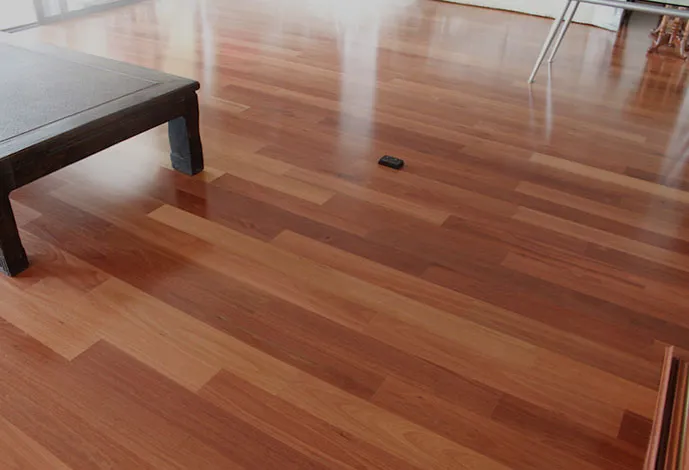
Homes built on pier-and-beam foundations face unique challenges. Humidity from the soil rises into the subfloor, causing wood rot and cupping floors. Crawlspace Insulation creates a barrier between the damp earth and the home. Closed-cell insulation applied to the underside of the floor, or sealing the crawlspace perimeter, prevents moisture migration and keeps floors warm in the winter.
Bonus Tip: Inspecting Ductwork
When upgrading attic or crawlspace insulation, it is the perfect time to inspect ductwork. Leaky ducts can lose up to 30% of conditioned air. Sealing these ducts before insulating maximizes efficiency gains.
Commercial and Wall Insulation Strategies
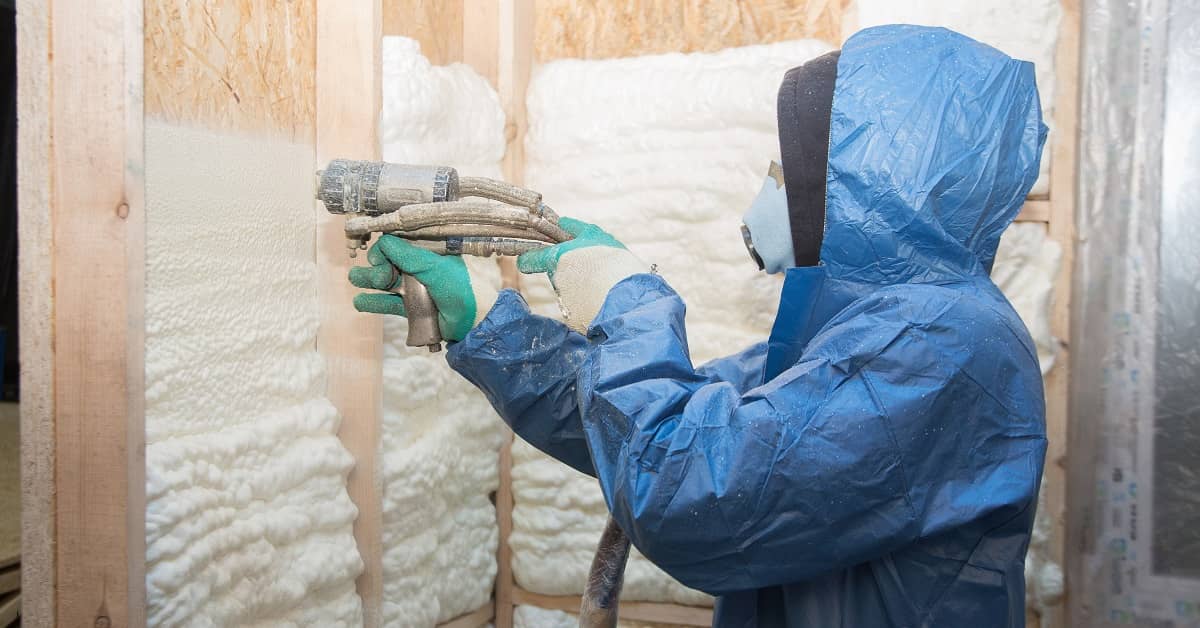
Commercial properties in Round Rock have different requirements due to building codes and construction types. Metal buildings, warehouses, and office complexes require robust solutions to manage large internal volumes and maintain occupant comfort.
Protecting Metal Structures
Metal buildings are highly conductive and prone to "sweating" when humidity levels are high. Condensation can form on the interior metal skin, leading to rust and dripping water that damages inventory. Commercial Spray Foam Insulation bonds directly to the metal, creating a thermal break that stops condensation and protects the structural integrity of the facility. Commercial building insulation upgrades typically see a rapid return on investment through reduced utility costs.
Retrofitting Wall Cavities
For existing structures with finished walls, tearing down drywall is not always an option. Wall Insulation can be improved using injection foam techniques or dense-pack Cellulose Insulation. This process involves drilling small holes and filling the cavities to arrest airflow and improve thermal resistance without major renovation work.
The Importance of Insulation Removal and Replacement
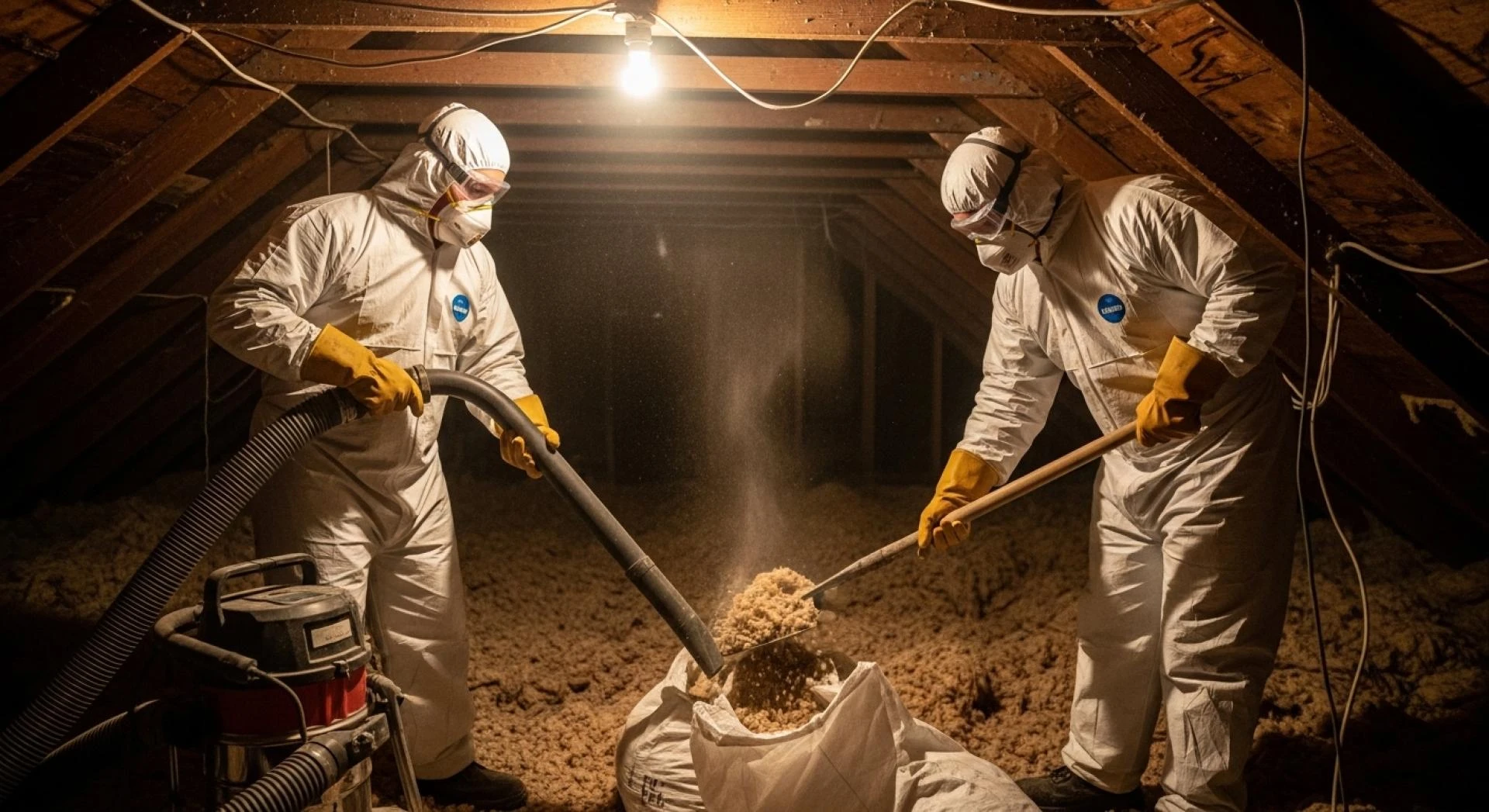
Adding new material over old, damaged insulation is rarely a good idea. Over time, fiberglass batts can become infested with rodents, filled with dust, or saturated with urine and feces. This creates a health hazard and reduces the effectiveness of any new material installed on top.
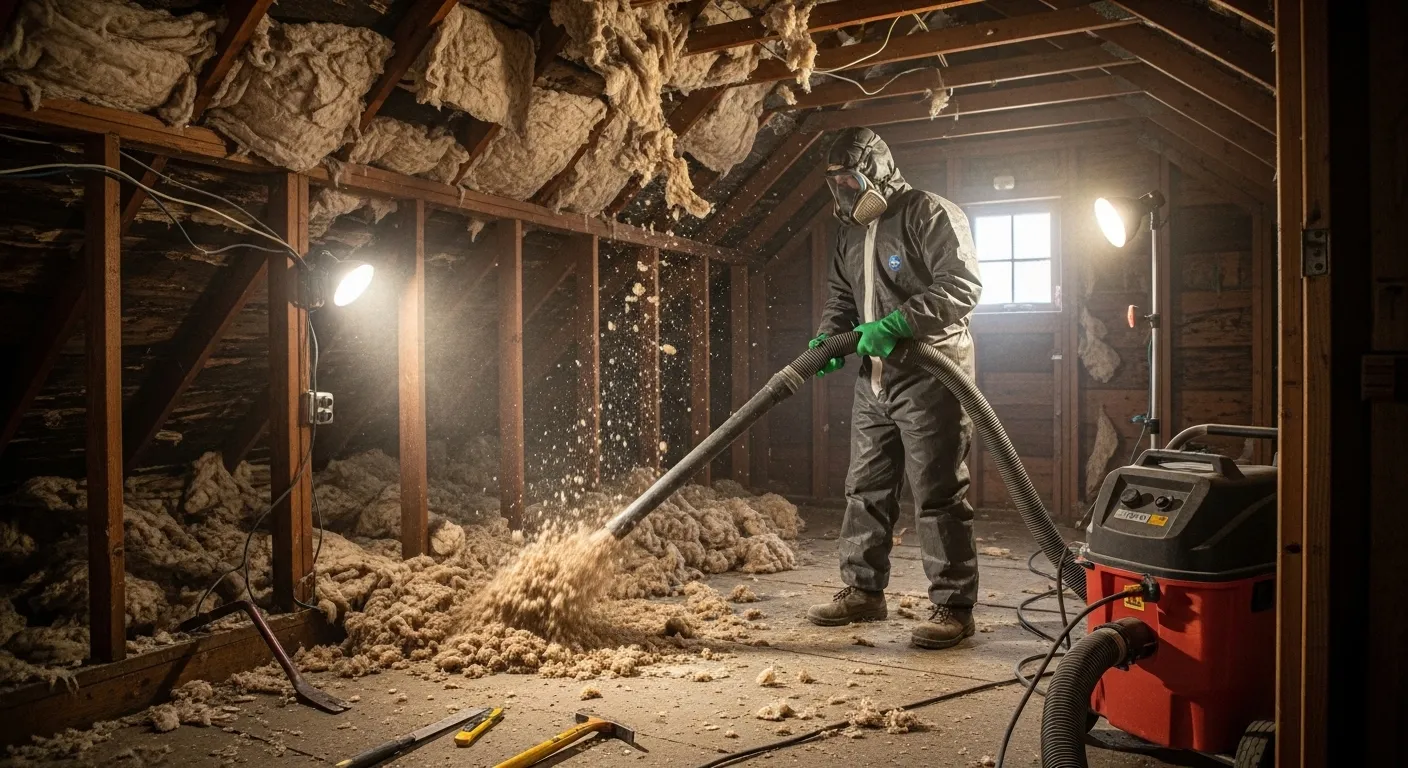
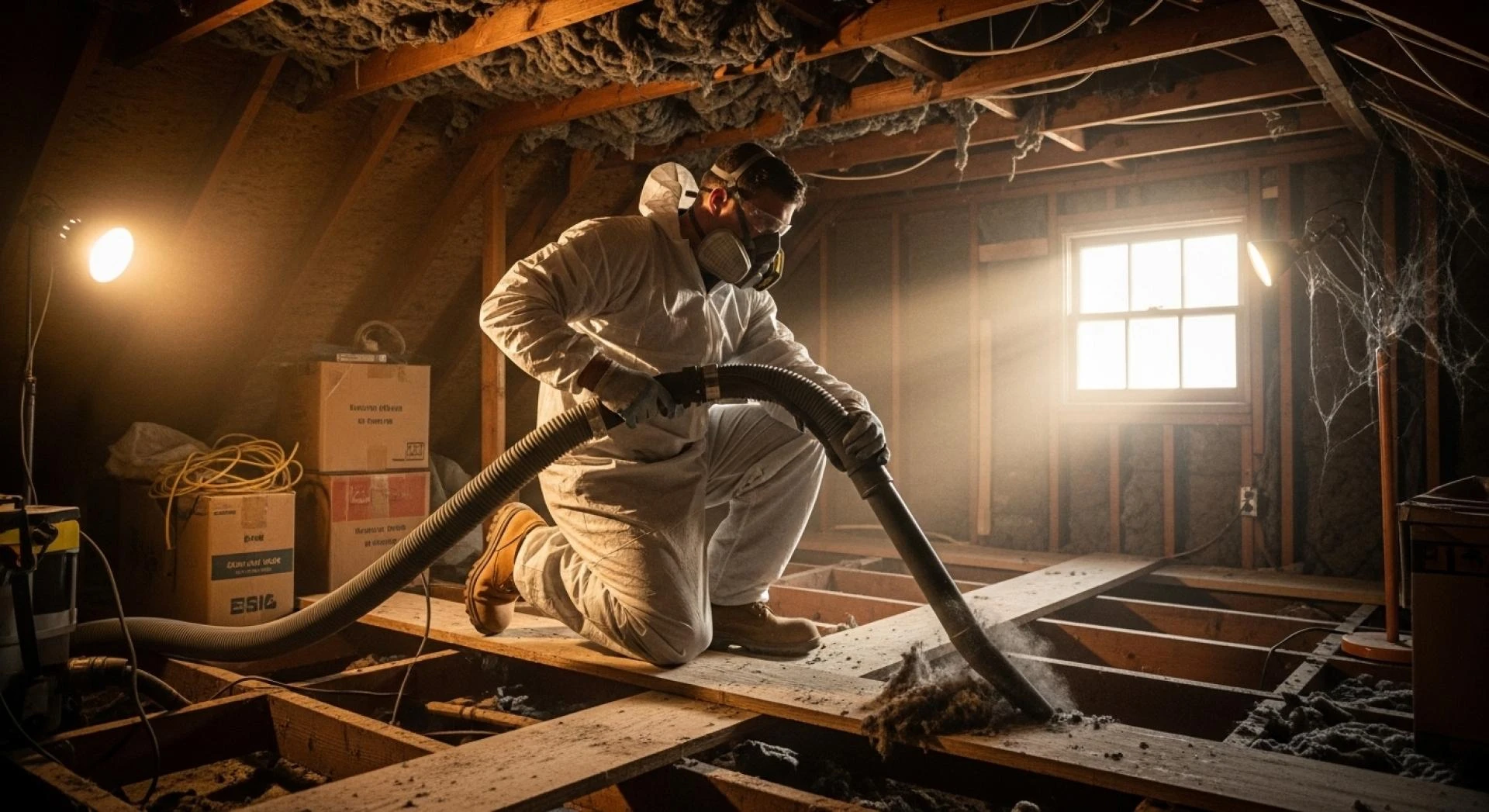
Insulation Removal is a critical first step in many restoration projects. Professional removal ensures that contaminated materials are safely bagged and disposed of. This process also exposes the substrate, allowing technicians to seal air leaks and inspect wiring before installing fresh, clean insulation.
Things to Consider Before Upgrading Insulation
Before making a decision, property owners should evaluate the current condition of their building's ventilation system. Sealing a home tightly requires ensuring that there is still adequate fresh air exchange to prevent indoor air quality issues. Mechanical ventilation systems, such as energy recovery ventilators (ERVs), work in tandem with spray foam to provide fresh, filtered air without the energy loss associated with air leaks.
Another factor is the property's long-term goal. If the plan is to stay in the home or building for many years, the higher upfront cost of spray foam pays for itself through durability and energy savings. For short-term ownership, cheaper alternatives like blown-in cellulose might be considered, though they offer fewer performance benefits.
Questions People Ask About Spray Foam Insulation
Does spray foam insulation shrink or settle over time?
When applied correctly, quality spray foam insulation does not shrink, sag, or settle. It adheres to the framing and building materials, maintaining its shape and performance for the life of the structure, unlike fiberglass, which tends to compress over time.
Is spray foam safe for my family and pets?
Once cured, spray foam is inert and safe for occupants. During the application process, the area must be vacated due to off-gassing, but after the specified re-entry time (typically 24 hours), there are no lingering harmful emissions.
Can spray foam be applied to existing electrical wiring?
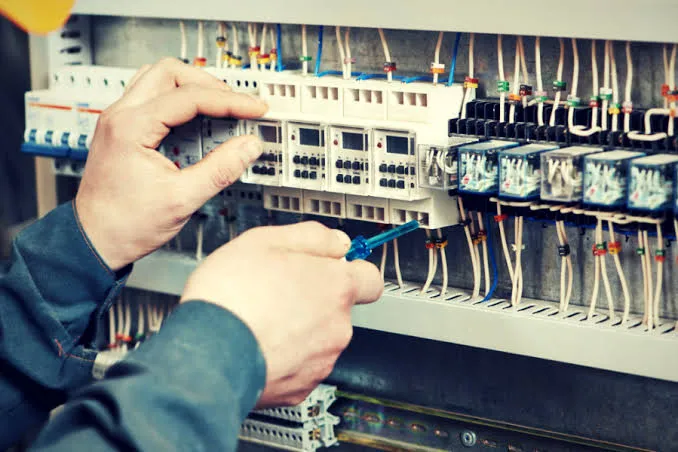
Yes, spray foam can be used directly over standard electrical wiring. The foam encapsulates the wires without damaging them. However, any electrical upgrades or changes should ideally be completed before the insulation is installed to avoid having to cut through the foam later.
Will sealing my attic with spray foam void my roof warranty?
This depends on the shingle manufacturer. Some older warranties required ventilation, but many modern manufacturers have updated their terms to accept unvented roof assemblies if installed correctly. It is advisable to check the specific warranty documents for the roofing materials used.
How much energy can I save with spray foam insulation?
Homeowners in hot climates like Round Rock, TX, often see energy bill reductions of 30% to 50% after sealing attics and walls with spray foam. The exact savings depend on the size of the home, the HVAC system's efficiency, and lifestyle habits.
Conclusion
Creating a comfortable indoor environment in Round Rock requires a proactive approach to thermal management. Relying on outdated insulation methods often leads to continued discomfort and wasted energy. By upgrading to a modern, air-sealing solution like spray foam, property owners can stabilize their indoor climate, protect their structure from moisture, and significantly reduce their carbon footprint.
The investment in a high-performance building envelope delivers returns immediately through lower utility bills and improved daily living conditions. Whether it is a sweltering July afternoon or a chilly January morning, a well-insulated property remains a sanctuary of comfort.
Learn more about the latest safety advancements highlighted by industry experts in modern spray foam insulation materials.
Boost Efficiency with Professional Installation
Improving a building's performance starts with expert diagnostics and precise application. Stellrr Insulation & Spray Foam provides data-driven solutions and high-quality materials for residential and commercial projects. They ensure that every project is executed to meet the unique demands of the Texas climate.
To discuss project requirements or schedule a consultation, reach out to the team directly. Email: [email protected] Phone: (512) 710-2839
Author: Shawn Mansur, founder of Stellrr, has been improving homes and buildings since 2016. He believes in fixing problems the right way, with lasting solutions, not temporary fixes. Through Stellrr, Shawn and his team provide insulation and energy-efficient upgrades for both residential and commercial properties, ensuring every project delivers real, long-term results.
Reviewer: Sophia White has 8 years of experience in spray foam insulation. She reviewed this post and gave clear guidance on aligning business messaging with what customers actually care about.






















Sign in to leave a comment.