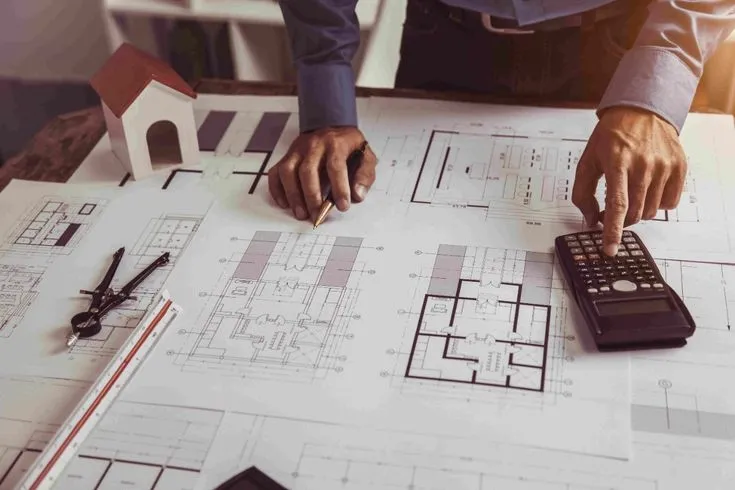

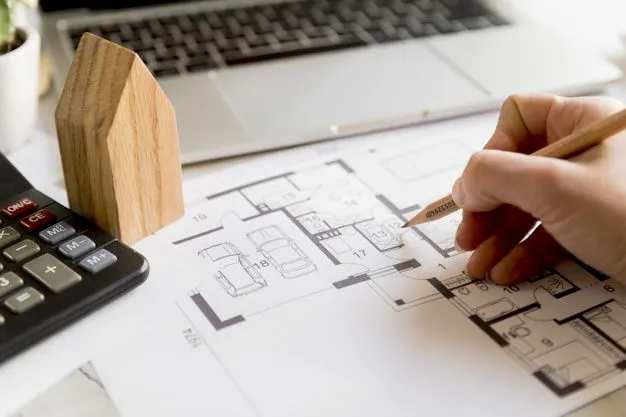
With increasing complexity, it becomes essential for construction companies to use the professional services of Construction Estimating Services to achieve accuracy in their financial planning, minimize budgeting uncertainties, and enhance project efficiency. In today’s construction industry, cost optimization in construction planning has transformed from being just a matter of budgeting into a system that improves all aspects of procurement and coordination of operations.
Because of escalating building material costs, changes in labor availability, logistics challenges, and tight completion deadlines, contractors are now required to adopt more advanced planning approaches to maintain an edge over their competitors. Instead of using the traditional approach of estimation, contractors in today’s world rely on digital planning and forecasting tools to effectively monitor their spending and performance.
Construction Planning Has Shifted From Reactive to Predictive
Conventional approaches in project management were based on reactive solutions for emerging issues during the execution stages. The contemporary approaches to minimizing costs are not similar since they emphasize proactive identification of possible economic risks before the commencement of construction works.
This predictive planning approach allows companies to:
Analyze budget risks earlier
Improve procurement timing
Reduce scheduling conflicts
Forecast labor and material demands more accurately
Strengthen financial decision-making
By improving visibility during preconstruction stages, contractors gain better control over project outcomes and reduce unexpected expenses.
Procurement Strategies Are Becoming More Intelligent
Procurement is no longer limited to ordering materials when construction begins. Modern contractors now use strategic procurement planning as part of broader cost optimization initiatives.
Advanced procurement strategies focus on:
Supplier performance evaluation
Material price trend analysis
Bulk purchasing opportunities
Delivery coordination and scheduling
Inventory optimization
These methods help companies reduce procurement-related disruptions while improving long-term cost control.
Efficient procurement planning also minimizes delays caused by material shortages and improves operational continuity throughout the project lifecycle.
Design Coordination Directly Affects Project Costs
Inefficiencies within finance are frequently attributed to problems with communication among the architect, engineer, contractor, and subcontractor. Without effective planning processes and cooperation among these people, problems with design and delays can occur due to their separate operations.
The modern approach to construction planning utilizes the concept of coordination to promote smooth information exchange among project participants.
Improved coordination helps reduce:
Design inconsistencies
Repeated revisions
Construction rework
Scheduling conflicts
Budget overruns caused by communication gaps
Projects with stronger coordination frameworks generally experience smoother execution and lower operational costs.
Accurate Quantity Analysis Improves Budget Stability
One of the most important elements of cost optimization is accurate quantity forecasting. Quantity errors can quickly disrupt project budgets by causing material shortages, over-ordering, and procurement delays.
Modern planning workflows improve quantity analysis through:
Digital measurement systems
Automated calculations
Centralized project documentation
Real-time revisions and updates
Quantity accuracy ensures that the contractor minimizes any unnecessary costs and also increases procurement efficiency in the whole process.
A qualified building construction estimator is able to do extensive quantity analysis, which will ensure financial stability throughout the process.
Labor Optimization Is Becoming a Major Financial Strategy
Increases in labor costs have become inevitable in the construction industry. In recent times, contractors have concentrated on boosting labor efficiency rather than adding more workers to their workforce.
Labor optimization strategies include:
Better workforce scheduling
Improved task sequencing
Reducing idle labor hours
Coordinating subcontractors more efficiently
Using productivity tracking systems
These strategies improve operational efficiency while helping companies manage labor expenses more effectively.
Material Waste Is a Hidden Cost Driver
Material waste can significantly reduce project profitability, especially on large-scale developments. Excess material purchasing, poor storage management, and inaccurate quantity forecasting often create unnecessary financial losses.
Modern cost optimization strategies reduce waste through:
Precise quantity calculations
Smarter procurement coordination
Better material handling systems
Improved delivery scheduling
Real-time inventory monitoring
Reducing waste not only lowers project costs but also improves sustainability and operational efficiency.
Early Risk Identification Supports Better Financial Planning
Many construction projects experience financial problems because risks are identified too late during the execution stages. Modern planning systems focus heavily on early-stage risk assessment to prevent major budget disruptions.
Risk analysis now includes:
Cost fluctuation forecasting
Supplier reliability evaluation
Labor availability planning
Schedule conflict analysis
Resource allocation assessments
Early risk identification allows contractors to prepare contingency strategies and maintain stronger budget stability throughout project development.
Scheduling Efficiency Improves Cost Performance
Project delays remain one of the biggest contributors to construction cost overruns. Delayed activities often create labor inefficiencies, procurement disruptions, and extended operational expenses.
Modern scheduling optimization strategies improve efficiency by:
Coordinating project timelines digitally
Improving sequencing between departments
Tracking workflow dependencies more accurately
Supporting faster schedule adjustments when changes occur
Well-structured schedules reduce operational disruptions and help contractors maintain tighter financial control.
Data-Driven Planning Improves Long-Term Decision-Making
Modern construction companies increasingly rely on real-time project data to improve financial management and operational performance.
Data-driven planning systems help teams:
Track budget performance continuously
Monitor resource utilization
Analyze productivity trends
Forecast future project costs more accurately
Improve strategic business planning
This level of financial visibility allows contractors to make faster and more informed decisions throughout the project lifecycle.
Sustainable Construction Practices Also Improve Cost Efficiency
Sustainability is now closely connected with modern cost optimization strategies. Efficient resource usage and waste reduction often improve both environmental and financial performance.
Sustainable planning methods include:
Energy-efficient material selection
Waste reduction strategies
Optimized transportation planning
Resource-efficient construction workflows
Smarter site management practices
These approaches support long-term operational savings while improving project sustainability standards.

Technology Is Redefining Cost Optimization Workflows
There is an increasing trend among construction companies where they are using more sophisticated digital technology that aids them in improving their cost and time management practices. This has become possible through advancements in technology.
Current innovations supporting cost optimization include:
Cloud-based project management platforms
AI-assisted budgeting systems
Automated quantity tracking tools
Real-time financial reporting dashboards
Integrated construction planning software
These technologies provide greater transparency throughout the process, allowing the contractor to respond more quickly to any changes in the fiscal environment.
Firms that benefit from high-level Construction Cost Estimate Services often experience more control over their planning due to the benefits provided by digital technology.
Competitive Construction Markets Require Smarter Financial Planning
The construction sector has become highly competitive, particularly in relation to contractors vying for lucrative commercial and infrastructural projects. Firms with better financial planning processes enjoy an edge since they can present more precise cost estimates and achieve greater control within their operations.
Modern cost optimization strategies help companies:
Improve bid competitiveness
Strengthen project profitability
Reduce financial uncertainty
Improve project delivery reliability
Build stronger client confidence
Contractors that prioritize strategic planning and financial accuracy are better positioned for long-term business growth.
The Future of Cost Optimization in Construction Planning
Future construction planning systems will continue evolving through automation, artificial intelligence, predictive analytics, and integrated digital collaboration platforms.
Emerging trends include:
AI-driven budget forecasting
Automated procurement coordination
Predictive scheduling analysis
Real-time project financial monitoring
Intelligent resource optimization systems
These innovations will continue improving project efficiency, reducing operational waste, and strengthening financial management across the construction industry.
Optimar Precon Support
Optimar Precon assists contractors, builders, and construction experts to enhance project planning by incorporating sophisticated budget coordination techniques and financial analysis strategies. The main areas of expertise include improving construction efficiencies, mitigating financial risks, and achieving enhanced operational performance through effective planning processes.


























Sign in to leave a comment.